The Ultimate Guide on How to Clean My Lawn Properly
Want a gorgeous lawn this season? This guide shows you exactly how to clean my lawn like a professional. You will learn simple steps for raking, mowing, dethatching, aerating, and watering that keep your grass thick, green, and healthy all year long.
Does your lawn look tired? Are there leaves, sticks, and bare patches everywhere? If yes, this guide is for you. I will show you exactly how to clean my lawn properly using simple tools and easy steps. You don’t need to hire a pro or spend a fortune. With a bit of time and effort, you can make your grass look fresh and healthy again.
Here is what we’ll cover. First, we’ll gather the right tools. Then, we’ll clean up debris, mow the grass, edge the borders, dethatch, aerate, overseed, and water. Along the way, I’ll share pro tips to help you avoid common beginner mistakes.
By the end, you will feel confident about lawn care. You’ll know what to do, when to do it, and why it matters. So grab your gloves and let’s get started. It’s time to clean my lawn and make your yard the pride of the neighborhood.
- Clear debris first: Remove sticks, leaves, and toys before any other lawn work begins.
- Mow smart: Cut only one-third of the grass blade height at a time and keep blades sharp.
- Dethatch regularly: Remove thick thatch layers so water and air can reach the roots.
- Aerate annually: Punch small holes in the soil to reduce compaction and boost root growth.
- Overseed in fall: Spread grass seed over thin areas for a thicker, fuller lawn.
- Water deeply, not often: Soak the soil thoroughly two to three times a week.
- Stay consistent: A short weekly routine beats a massive seasonal cleanup every time.
Quick Answers to Common Questions
Should I clean my lawn before or after mowing?
Always clean up debris like sticks and leaves before mowing. Hidden objects can damage your mower blades or become dangerous projectiles. Once the surface is clear, mowing becomes smooth and safe.
How often should I clean my lawn?
Do a light cleanup every week by picking up debris and mowing. Do a deep clean two to four times a year, including dethatching, aerating, and overseeding. A consistent weekly routine prevents big messes from building up.
Do I really need a leaf blower to clean my lawn?
No, a leaf blower is optional. A simple leaf rake works just as well for small and medium yards. Use a blower only if you want to speed up the process or if you have a very large property.
Is dethatching bad for young grass?
Dethatching can stress a very young or weak lawn. Only dethatch established lawns with thick thatch, over half an inch deep. If your grass is young and thin, skip dethatching and focus on watering and fertilizing first.
Can I clean my lawn in the middle of summer?
Yes, you can do basic cleaning in summer, like mowing and picking up debris. But skip dethatching and overseeding in the hot months. New seeds need cooler weather to grow. Save those steps for early spring or early fall.
📑 Table of Contents
What You Will Need
Before you begin, gather these items. Most are affordable and easy to find at any home or garden store. Having everything ready makes the work go much faster. These tools will help you clean my lawn safely and efficiently.
- Leaf rake – for collecting leaves and loose debris
- Garden gloves – to protect your hands from blisters and sharp objects
- Leaf blower – optional, but speeds up cleanup
- Lawn mower – with sharp blades
- String trimmer or edger – for borders and tight spots
- Dethatching rake – for removing thatch buildup
- Lawn aerator – manual or machine type
- Grass seed – matched to your region and sun exposure
- Fertilizer – starter formula for new seed
- Sprinkler or garden hose – for watering deeply
- Wheelbarrow or yard bags – for collecting waste
- Safety glasses – for eye protection
Pro Tip: Check your tools before you start. Dull mower blades tear the grass instead of cutting it. Dirty tools can spread disease. A quick cleanup and sharpening session will save you a lot of trouble later.
Step 1: Clear the Debris
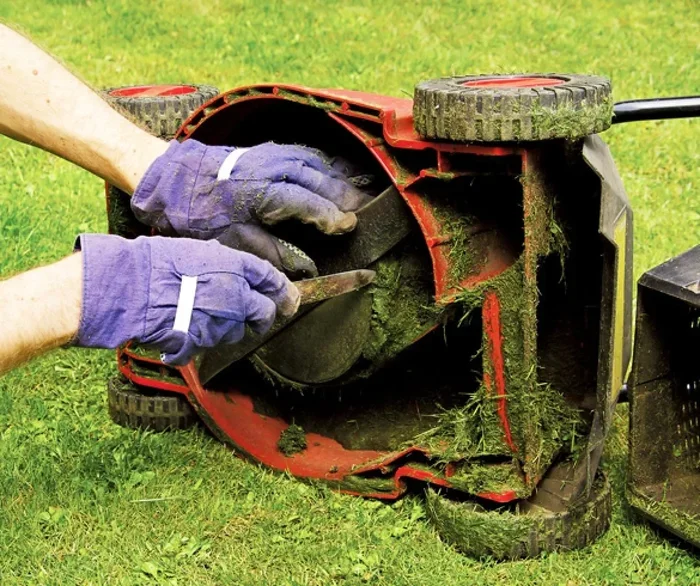
First, walk around your yard. Look for anything that shouldn’t be there. Pick up sticks, toys, rocks, pet waste, and trash. Then, use your leaf rake to gather loose leaves. Make small piles and move them to your wheelbarrow or yard bags.
Visual guide about how to lawn mowing maintenance
Image source: i.pinimg.com
If you have a leaf blower, use it to push leaves into one central area. This is much faster than raking by hand. But be careful. Do not blow leaves into the street. That can block storm drains and harm local wildlife.
Why this matters: Debris blocks sunlight and airflow. It also traps moisture near the grass blades. That can lead to mold, fungus, and disease. A clean surface lets water and nutrients reach the soil easily. It also makes mowing smoother and safer. You don’t want to hit a hidden rock or toy with your mower.
Pro Tip: Work in small sections. Trying to clean the whole yard at once feels overwhelming. Finish one corner, then move to the next. You’ll see progress fast, which keeps your motivation high. And remember to clean my lawn after big storms. Branches and leaves pile up quickly after windy weather.
Step 2: Mow the Lawn
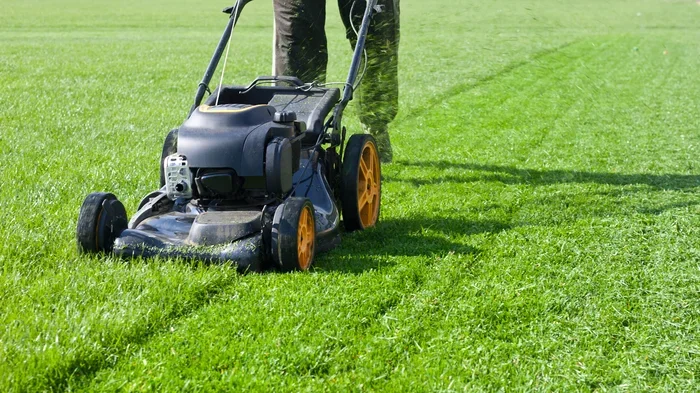
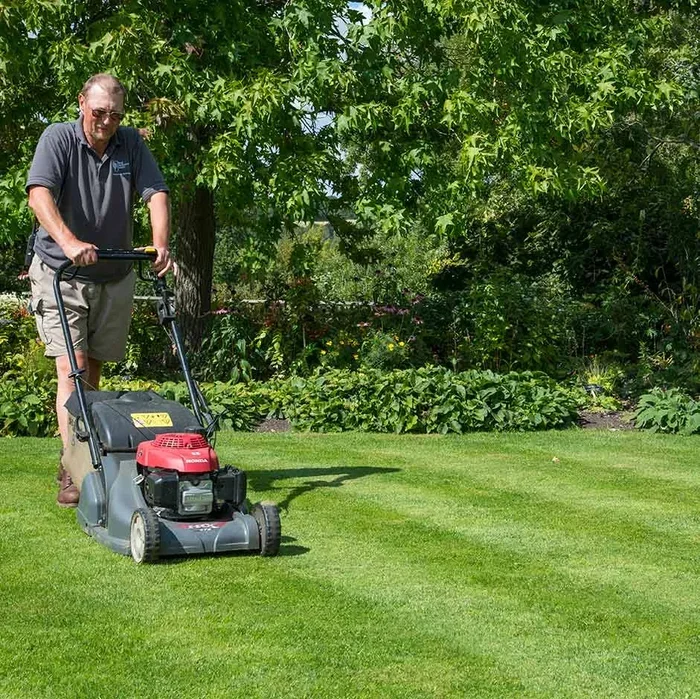
Once the surface is clear, it’s time to mow. But don’t just cut it all the way down. Set your mower deck to a higher level. Most grasses do best at 3 to 4 inches tall. Cutting too short stresses the plant and lets weeds take over.
Visual guide about how to lawn mowing maintenance
Image source: rhs.org.uk
Mow in a straight pattern. Overlap each pass slightly. This prevents missed patches and gives you an even cut. Also, only cut one-third of the grass blade height at a time. If the grass is very tall, mow twice. Lower the blade a bit on the second pass.
Make sure the grass is dry before you start. Wet grass clumps up and clogs the mower. It also leaves an uneven, messy cut. Wait for the morning dew to dry, or mow in the early evening. Now is the perfect moment to focus and clean my lawn the right way.
Pro Tip: Keep a spare sharp blade in your shed. Replace dull blades before the first cut of the season. Sharp blades slice cleanly. Dull blades shred the grass. Shredded tips turn brown and look ugly for weeks.
Step 3: Edge and Trim
Mowing handles the open areas, but what about the edges? Grass loves to creep over sidewalks, driveways, and flower beds. Use a string trimmer or edger to cut it back. Start with the driveway and walkway edges. Then move to garden borders.
Visual guide about how to lawn mowing maintenance
Image source: thespruce.com
For tight spots, use hand clippers. This includes areas around trees, fences, mailboxes, and lamp posts. Trim carefully. Do not damage tree bark or flowers with the trimmer line. You want a clean cut, not a scarred trunk.
Why this matters: Edging gives your lawn a crisp, professional look. It also stops grass from invading flower beds and cracks in pavement. Plus, it makes the whole yard look neater, tidier, and more cared for.
Pro Tip: Edge after mowing, not before. This way, any grass clippings from edging get picked up by the mower on the next pass. You won’t have to rake twice. Clean edges also make it easier to clean my lawn borders every single week.
Step 4: Rake and Dethatch
Thatch is a layer of dead grass, roots, and stems. It sits between the soil and the green grass above it. A little thatch is fine. It acts like mulch and protects the soil. But too much thatch blocks water and air from reaching the roots.
Check the thatch depth. Lift up a small patch of grass and look at the brown layer below. If it’s thicker than half an inch, it’s time to dethatch. Use a dethatching rake or a power dethatcher. Pull the tines through the grass in a crisscross pattern. This loosens and lifts the thatch to the surface.
After dethatching, rake up the loose material. Add it to your compost pile or yard waste bin. Your lawn will look a bit rough and thin at first. That’s completely normal. The grass will bounce back within a few weeks, especially if you proceed to the next steps.
Pro Tip: Dethatch when the soil is moist, not soaking wet. Dry soil is too hard, and wet soil turns muddy. Moist soil lets the tines dig in without tearing out the healthy grass. Plan to do this once a year in early spring or early fall.
Step 5: Aerate the Soil
Soil gets compacted from foot traffic, mowers, and heavy rain. When the ground is too hard, roots can’t breathe. Water pools on top instead of soaking in. That’s where aeration helps. And when you clean my lawn thoroughly, aeration should never be skipped.
An aerator removes small plugs of soil from your lawn. This opens up the ground and creates space. Air, water, and nutrients can finally reach the root zone. You can rent a powered aerator from a hardware store. Or buy a manual core aerator for small yards.
Walk the aerator across your entire lawn. Overlap each row slightly. You should see many small dirt plugs on the surface. Leave them there. They will break down over time and add valuable nutrients back into the soil.
Do this when the soil is slightly moist. Water the lawn the day before aerating. This softens the ground and makes the aerator sink in easier.
Pro Tip: Aerate right before you overseed. The holes create perfect little seed beds. Seeds that fall into the holes stay safe from birds and drying winds. This simple combo gives you a thicker, healthier lawn in record time.
Step 6: Overseed and Feed
Overseeding is the process of spreading new grass seed over your existing lawn. It fills in bare patches and makes the turf thicker. A dense lawn also crowds out weeds naturally, so you’ll spend less time pulling them later.
Choose a seed type that matches your climate and sun exposure. If you’re not sure, ask at your local garden store. Spread the seed evenly with a broadcast spreader. Walk slowly and overlap each pass. This keeps the coverage consistent and prevents clumps.
After seeding, apply a starter fertilizer. This gives the new grass the nutrients it needs to sprout and grow strong. Water well after feeding. Keep the top inch of soil moist until the seeds germinate. Stop watering once the new grass reaches about two inches tall.
Pro Tip: Don’t overdo the seed. Too much seed makes seedlings fight for water and light. Follow the rate listed on the seed bag. Less is often more. And remember, the best time to overseed is early fall or early spring when the soil is warm.
Step 7: Water and Maintain
Water is the final big step in your lawn cleaning journey. But how much is enough? The golden rule is this: deep and infrequent. Water two to three times a week. Give the lawn about one inch of water each session. Place a small can or rain gauge in the yard to measure the output.
Water early in the morning. This gives the grass time to dry before evening. Wet grass at night invites fungi and disease. Morning watering also loses less water to evaporation, so more of it reaches the roots.
Adjust your schedule based on the weather. If it rains heavily, skip a watering day. If it’s very hot and dry, your lawn may need extra drinks. Watch the grass color closely. A dull blue-green tone means it’s thirsty.
Once new grass is established, return to a normal mowing routine. Keep your mower blade sharp. Stick to the one-third cutting rule. And continue to water deeply each week to maintain that fresh, clean look.
Pro Tip: Put your sprinkler on a timer. It’s easy to forget to turn it off. A timer guarantees your lawn gets the right amount of water every time. It also saves water and lowers your bill.
Troubleshooting Common Lawn Problems
Even with the best care, problems can still pop up. Here are quick fixes for the most common issues. Use these tips so you can clean my lawn and solve problems at the same time.
Patchy grass: Re-seed bare spots in early fall. Scratch the soil, sprinkle seed, and press it down gently. Keep the area moist until sprouts appear.
Weeds everywhere: Pull weeds by hand after rain. The roots slide out much easier when the soil is soft. Use a spot-treatment weed killer for stubborn ones. Avoid spraying on windy days to protect your good plants.
Brown tips on grass: This usually comes from dull mower blades. Sharpen or replace them. Also, avoid cutting grass when it’s wet or stressed.
Puddles after rain: Hard, compacted soil is often the culprit. Aerate the lawn to improve drainage. Add compost to heavy clay soil for better texture and water flow.
Moss growing in the lawn: Moss loves shade and wet soil. Trim tree branches to let in more sunlight. Improve drainage and cut back watering in shaded areas.
Maintenance and Next Steps
You did it! Your lawn is clean, fresh, and healthy. Now keep it that way with a simple weekly routine. Consistency beats effort, every single time.
- Mow weekly during the growing season.
- Rake leaves in the fall before they smother the grass.
- Dethatch and aerate once a year, in early spring or fall.
- Overseed thin areas every fall.
- Water deeply once a week when rain is scarce.
- Feed your lawn two to four times a year with the right fertilizer.
- Inspect the yard monthly for weeds, pests, and new bare spots.
You now know exactly how to clean my lawn properly. No guesswork, no expensive services, and no complicated equipment. Just simple steps done in the right order.
So go ahead and make your yard the envy of the block. Put on those gloves, fire up the mower, and enjoy the process. Your lawn will thank you, and so will your neighbors. You’ve got this!