
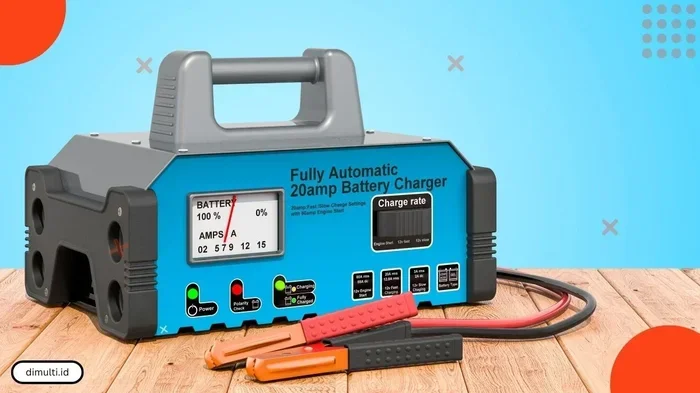
Ultimate Guide How to Charge a Battery Safely at Home
Charging a battery safely at home keeps you, your family, and your devices protected from hazards like fires or explosions. This guide walks you through essential steps, tools, and tips for all common battery types. Master safe charging to save money and prevent accidents in minutes.
Key Takeaways
- Always use the right charger: Match it to your battery type to prevent overheating or damage during home charging.
- Charge in a cool, ventilated area: Avoid enclosed spaces to reduce fire risks when you charge a battery safely at home.
- Monitor temperature closely: Stop charging if the battery gets hot—safety first for lithium-ion and lead-acid types.
- Inspect before charging: Check for leaks, bulges, or damage to ensure safe battery charging at home.
- Never leave unattended: Stay nearby, especially for first-time charges, to catch issues early.
- Unplug after full charge: Overcharging shortens life—use timers for peace of mind at home.
- Store properly post-charge: Keep batteries cool and dry to maintain safety and performance long-term.
Quick Answers to Common Questions
What’s the ideal temperature to charge?
Keep it between 50-77°F (10-25°C). Too hot or cold slows charging and risks damage.
Can I charge a battery in my bedroom?
No way—too risky. Use ventilated areas like garages to avoid fire hazards at home.
How often should I check during charging?
Every 15-30 minutes first hour, then hourly. Never leave unattended fully.
Is tap water OK for lead-acid batteries?
Use distilled only. Tap minerals corrode plates over time.
Fast chargers safe for home use?
Only if rated for your battery. They generate more heat—monitor closely.
📑 Table of Contents
- Introduction
- Why Safety Matters When You Charge a Battery Safely at Home
- Understanding Different Battery Types and Their Charging Needs
- Gathering the Right Tools and Materials
- Step-by-Step Guide: How to Charge a Battery Safely at Home
- Practical Tips and Real-Life Examples
- Common Mistakes to Avoid When Charging at Home
- Troubleshooting Charging Issues
- Advanced Tips for Maximum Battery Life
- Conclusion
Introduction
Hey there! Ever worried about charging your car battery, phone pack, or power tool battery at home? You’re not alone. Many folks charge batteries safely at home every day without issues. But one wrong move can lead to fires, leaks, or explosions. That’s why this guide is here.
In these pages, you’ll learn everything needed to charge a battery safely at home. We’ll cover battery types, tools, step-by-step instructions, and tips. By the end, you’ll charge with confidence. No more guessing. Just safe, smart practices.
Whether it’s a lead-acid car battery or lithium-ion gadget cell, safety comes first. Follow these rules, and you’ll protect your home and gear. Let’s dive in and make charging simple and secure.
Why Safety Matters When You Charge a Battery Safely at Home
Safety isn’t just a buzzword. It’s a must when you charge a battery safely at home. Batteries store energy. That energy can turn dangerous fast. Overheating leads to thermal runaway in lithium-ion types. Gases build up in lead-acid batteries, risking explosions.
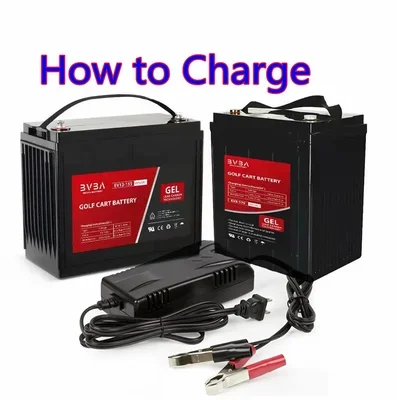
Visual guide about Ultimate Guide How to Charge a Battery Safely at Home
Image source: bravabatteries.com
Think about it. A small phone battery fire can spread quick in a bedroom. Car batteries release hydrogen gas—flammable stuff. Stats show thousands of battery fires yearly. Most from improper home charging.
Good news? Simple habits prevent 99% of risks. Charge in open spaces. Use quality chargers. Watch for heat. These steps keep things cool. Literally.
Plus, safe charging extends battery life. No more replacing dead cells early. Save cash. Protect loved ones. That’s the power of knowing how to charge a battery safely at home.
Understanding Different Battery Types and Their Charging Needs
Not all batteries charge the same. Know your type before you start. This avoids damage and ensures you charge a battery safely at home.
Lead-Acid Batteries (car starters, UPS systems). These are tough. Charge slow at 10-20% of capacity. Voltage around 14.4V. Watch for gassing—normal but vent it.
Example: Your car battery. Dead from leaving lights on? Use a smart charger. It stops at full.
Lithium-Ion (Li-ion) (phones, laptops, drones). Fast but picky. Charge at 4.2V max per cell. Heat is enemy number one. Use manufacturer chargers only.
Pro tip: Li-ion swells if bad. Toss it. Don’t charge.
Nickel-Metal Hydride (NiMH) (toys, cordless phones). forgiving. Charge at 1.4V per cell. Delta-V detection prevents overcharge.
Nickel-Cadmium (NiCd) (old power tools). Memory effect prone. Trickle charge works.
Each type has rules. Wrong charger? Boom—overheat or underperform. Always check labels. Match amps and volts. This is key to charge a battery safely at home.
Quick Battery Type Checklist
- Read the label for chemistry (Li-ion, Lead-Acid, etc.).
- Note capacity (Ah or mAh).
- Match charger specs exactly.
Gathering the Right Tools and Materials
Ready to charge a battery safely at home? Get your kit first. Wrong tools spell trouble.
Essentials:
- Compatible Charger: Smart ones best—auto-stop feature.
- Multimeter: Test voltage. Cheap and vital.
- Gloves and Goggles: Protect skin and eyes from acid splashes.
- Fire Extinguisher: Class D for metals, or ABC multi-purpose.
- Vent Fan or Open Window: For gases.
- Thermometer or IR Gun: Monitor heat (under 104°F/40°C ideal).
Examples: For car batteries, get a 10A charger. Phones? OEM cable. Budget $20-100 total. Quality pays off.
Store in a dry box. Inspect before use. Frayed wires? Replace. Now you’re set to charge a battery safely at home.
Step-by-Step Guide: How to Charge a Battery Safely at Home
Here’s the heart of it. Follow these steps exactly to charge a battery safely at home. Take your time. Rushing risks everything.
Step 1: Prepare a Safe Workspace
Pick a spot. Garage or outdoors best. Cool (50-77°F/10-25°C). Dry. Ventilated. No flammables nearby—no gas cans or paint.
Cover surfaces with cardboard. Keep kids and pets away. Unplug other devices. Fire extinguisher handy.
Tip: Use a battery charger mat. Catches spills.
Step 2: Inspect the Battery Thoroughly
Look close. Bulges, cracks, leaks? Stop. Recycle it.
For lead-acid: Clean terminals with baking soda water. Dry well.
Li-ion: No dents or swelling. Smell weird? Trash it.
Test voltage with multimeter. Lead-acid under 12.0V needs charge. Li-ion below 3V per cell—dangerous.
Example: Car battery at 11.8V? Chargeable. 10V? Maybe dead.
Step 3: Select and Set Up the Correct Charger
Match type. Read manual.
Lead-acid: 2/10/50A modes. Start low.
Li-ion: USB or dedicated. No fast-charge if hot.
Plug into grounded outlet. Set to correct mode. Example: NiMH at 0.1C rate (capacity in amps).
Step 4: Connect the Charger Properly
Power off charger first.
Positive (+) to positive. Red clamp. Negative (-) to negative. Black.
For cars: Negative to ground, not battery post first. Sparks less.
Secure connections. Tight but not crush.
Turn on charger. Watch initial spark—normal.
Step 5: Monitor the Charging Process Closely
Stay put first 10 minutes. Check heat every 15 min.
Amps drop as it fills—good sign.
Lead-acid: Bubbles OK after hour. Ventilate.
Li-ion: Under 100°F. Fan if needed.
Time estimates: Car battery 4-12 hours. Phone 1-2 hours.
Use app timers for smart chargers.
Step 6: Disconnect and Test Safely
Charger says full? Power off. Disconnect negative first, then positive.
Multimeter check: Lead-acid 12.6-12.8V rested. Li-ion 4.2V.
Reinstall if needed. Test device.
Step 7: Clean Up and Store Properly
Wipe terminals. Dry everything.
Store batteries half-charged. Cool, dry shelf. No metal contact.
Label with charge date.
Congrats! You just learned how to charge a battery safely at home.
Practical Tips and Real-Life Examples
Boost your skills. For winter car batteries: Warm garage charges faster. Example: My neighbor’s truck—charged overnight, started right up.
Phone batteries: Charge to 80% daily. Use wireless pads sparingly—heat builds.
Power banks: Rotate use. One charges while other works.
Pro tip: Desulfate lead-acid with pulse chargers monthly.
These habits make charging routine and safe at home.
Common Mistakes to Avoid When Charging at Home
Don’t do these:
- Overcharging: Kills cells. Use auto-cutoff.
- Hot environments: Garages over 90°F? Wait.
- Wrong polarity: Sparks or explosions.
- Cheap chargers: Fail fast.
- Ignoring smells: Sulfur or plastic burn? Unplug now.
Avoid, and you’ll charge a battery safely at home every time.
Troubleshooting Charging Issues
Problems happen. Fix smart.
Won’t charge: Dirty terminals. Clean. Low voltage? Jump start first.
Overheats: Reduce amps. Cool down. Retry.
Slow charge: Sulfation. Use equalizer mode.
Swells: Li-ion fail. Dispose at recycle center. Never puncture.
Lights flicker: Weak outlet. Use heavy extension.
Can’t fix? Pro shop time. Safety over DIY heroics.
Advanced Tips for Maximum Battery Life
Go pro. Store at 50% charge. Cycle monthly.
Li-ion: Avoid 100% holds. Apps limit it.
Lead-acid: Equalize quarterly.
Track with logs. See patterns.
Upgrade to lithium for cars—safer, lighter.