
Revitalize Your Lawn With These Simple Steps
A lush, green lawn doesn’t happen by accident. It requires regular maintenance, and one of the most important tasks is understanding how to clean a lawn properly. Cleaning isn’t just about picking up leaves; it involves removing debris, thatch, and weeds to allow air, water, and nutrients to reach the soil. This simple process sets the foundation for a healthy, vibrant lawn that can withstand pests and weather stress. In this guide, we’ll walk you through the essential steps to revitalize your lawn, from initial cleanup to ongoing care.
💡 Key Takeaways
- Debris Removal: Clearing leaves, sticks, and litter prevents mold, pests, and grass suffocation.
- Thatch Management: Dethatching removes built-up organic matter, improving water and air penetration.
- Aeration Benefits: Aerating compacted soil boosts root growth and nutrient absorption.
- Overseeding Strategy: Filling bare patches with fresh seed thickens the lawn and crowds out weeds.
- Fertilizer Timing: Applying the right fertilizer after cleaning gives grass a strong, healthy start.
Why Cleaning Your Lawn Is the First Step Toward Revitalization
Over time, lawns accumulate more than just grass clippings. Fallen leaves, twigs, pine needles, and general debris form a dense layer that blocks sunlight and traps moisture. This layer, often called “thatch” when it builds up, creates a breeding ground for fungi and pests. Without proper cleaning, your grass struggles to breathe, roots grow shallow, and bare patches appear. Cleaning removes these barriers, allowing your lawn to absorb the essentials it needs to thrive. Think of it as resetting the canvas before painting a masterpiece.
Beyond surface debris, compacted soil and weed growth also hinder lawn health. Simple lawn care steps like raking, dethatching, and aerating open up the soil structure. This encourages deeper root systems, better drought tolerance, and a more uniform green color. Regular cleaning also makes it easier to spot problem areas early, so you can address them before they spread.
Essential Tools for a Thorough Lawn Cleanup
Having the right equipment makes the job faster and more effective. Here are the key tools you’ll need to clean your lawn effectively:
- Leaf Rake or Leaf Blower: For removing loose leaves and light debris. A rake works well for small lawns, while a blower saves time on larger properties.
- Dethatching Rake or Power Rake: A manual dethatching rake has curved tines that pull up thatch. For thick thatch, a power rake (also called a vertical mower) is more efficient.
- Lawn Aerator: Spike aerators poke holes, but core aerators remove plugs of soil, which is better for relieving compaction. Manual or machine options are available.
- Garden Trowel or Weed Puller: Hand-pulling weeds after cleaning prevents them from competing with grass for nutrients.
- Lawn Sweeper or Bagger: Collects debris after dethatching or mowing, keeping your yard tidy and reducing thatch buildup.
Step-by-Step Guide to Clean and Revitalize Your Lawn
Follow these steps in order for the best results. Each action builds on the previous one, ensuring your lawn gets a fresh start.
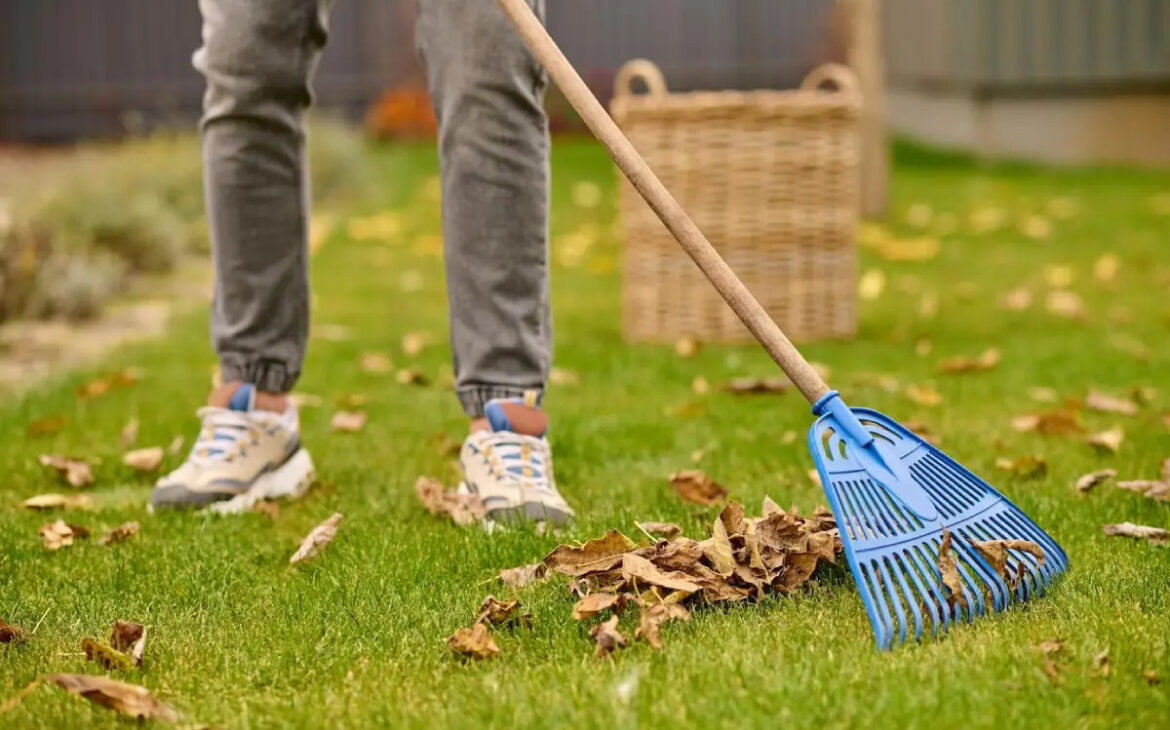
- Remove Surface Debris: Rake or blow away all leaves, sticks, pine cones, and litter. Bag the debris or compost it. This step alone can dramatically improve light and air flow to the grass.
- Dethatch the Lawn: If the thatch layer is more than ½ inch thick, use a dethatching rake or power rake. Work in one direction, then crosswise. Collect the pulled-up thatch. Dethatching is best done in early spring or early fall.
- Aerate Compacted Soil: Use a core aerator to remove plugs of soil, especially in high-traffic areas. This relieves compaction and allows water, oxygen, and fertilizer to reach the roots. Aeration pairs well with overseeding.
- Remove Weeds: Pull visible weeds by hand or use a weed puller tool. For broadleaf weeds, spot-treat with an appropriate herbicide if needed, but manual removal is often enough after cleaning.
- Overseed Bare Spots: Spread grass seed over thin or bare areas. Choose a seed mix that matches your existing lawn type. Lightly rake the seed into the soil and keep it moist until germination.
- Apply Fertilizer and Water: Use a balanced lawn fertilizer (e.g., 10-10-10) to give your grass the nutrients it needs. Water deeply but infrequently to encourage deep root growth.
🚀 Pro Tip
For small lawns, a manual core aerator works well and costs little. For larger areas, consider renting a machine from a local hardware store. Aerate when the soil is slightly moist, not soaking wet.
Common Mistakes When Cleaning Your Lawn
Even with good intentions, some actions can harm your lawn. Avoid these pitfalls:
- Over-Dethatching: Removing too much thatch can expose roots and damage the crown of the grass. Only dethatch when the thatch layer is thick (over ½ inch).
- Cleaning When Soil Is Wet: Working on wet soil compacts it further and can tear up grass. Wait until the ground is dry enough to walk on without leaving deep footprints.
- Ignoring Weed Roots: Pulling weeds without getting the entire root often leads to regrowth. Use a weeding tool to remove the taproot.
- Skipping Aeration: Many homeowners skip aeration, but compacted soil is a major cause of thinning lawns. Aerate at least once a year.
- Fertilizing Before Cleaning: Applying fertilizer over debris or thick thatch wastes money and can burn the grass. Always clean first, then feed.
⚠️ Important Notice
Avoid over-dethatching – removing too much thatch can damage the grass roots and leave your lawn vulnerable. Only dethatch when the thatch layer exceeds half an inch. When in doubt, measure with a ruler or trowel.
When Is the Best Time to Clean Your Lawn?
Timing matters for effective lawn care. The best windows for a major cleanup are early spring (March–April) and early fall (September–October). Spring cleaning removes winter debris and prepares the lawn for growing season. Fall cleaning clears fallen leaves and allows you to overseed and fertilize before winter dormancy. Avoid heavy cleaning during the heat of summer, as grass is already stressed. Light maintenance like spot-cleaning leaves can be done year-round.
Comparison of Lawn Cleaning Methods
How to Maintain a Clean Lawn Year-Round
Once you’ve done the deep clean, keep your lawn looking its best with these habits:
- Mow Regularly at the Right Height: Keep grass about 3 inches tall. Taller grass shades the soil, reducing weed germination and moisture loss.
- Mulch Grass Clippings: Leave clippings on the lawn (unless they’re thick). They decompose and return nutrients to the soil.
- Spot-Clean Debris Weekly: Pick up fallen branches and leaves before they accumulate.
- Water Deeply and Infrequently: Aim for 1 inch of water per week, including rainfall. Deep watering encourages deep roots.
- Fertilize Seasonally: Apply a slow-release fertilizer in spring and fall to maintain color and density.
📊 Lawn Health Assessment Index
92%
85%
78%
Frequently Asked Questions
How often should I clean my lawn?
Light cleaning (removing leaves and debris) should be done weekly during fall and as needed in other seasons. A deep clean involving dethatching and aeration is recommended once or twice a year, typically in spring and fall.
Can I clean my lawn in the rain?
It’s best to avoid cleaning when the ground is wet. Wet soil compacts easily, and wet debris is heavy and harder to remove. Wait until the lawn has dried out for at least a day after rain.
What’s the difference between dethatching and aeration?
Dethatching removes the layer of dead organic matter (thatch) that sits on top of the soil. Aeration removes small plugs of soil to relieve compaction and improve air and water flow. Both are important but target different issues.
Should I bag grass clippings when mowing?
In most cases, leaving clippings on the lawn (mulching) is beneficial because they return nitrogen to the soil. However, if the clippings are long or wet, bag them to avoid clumping and smothering the grass.
How do I clean a lawn without a leaf blower?
A standard leaf rake works perfectly for small to medium lawns. For larger areas, a lawn sweeper (manual or tow-behind) can collect leaves efficiently. You can also use a mower with a bagger attachment to pick up leaves and clippings in one pass.
Conclusion
Revitalizing your lawn doesn’t require expensive products or complicated techniques. By following a consistent lawn revitalization guide that starts with proper cleaning, you set the stage for thick, green grass that can handle foot traffic, drought, and weeds. Remember to remove debris, dethatch when needed, aerate compacted soil, and feed your lawn after cleaning. With these simple steps, you’ll enjoy a healthier, more beautiful lawn throughout the year. Start your cleanup this weekend and see the difference it makes.