
How to Clean a Lawn Fast and Easy in 2026
Knowing how to clean a lawn properly makes a real difference in both how your yard looks and how healthy your grass stays. The basic idea is simple: remove fallen leaves, twigs, thatch, and other debris before they smother the turf. But doing it fast without tearing up the grass takes the right tools and a sensible order of work.
A thorough lawn cleanup usually takes one to two hours for a typical suburban yard. The quickest method combines a leaf blower, a good rake, and either a leaf vacuum or a mower with a bagging attachment. Timing matters just as much as technique. Fall cleanups prevent mold and matted grass through winter, while a spring cleanup removes the flattened plant material left behind after the snow melts.
This guide covers the fastest step-by-step approach, the tools that save the most time, the best seasons for different cleanup tasks, and the common mistakes that turn a quick job into an all-day chore.
💡 Key Takeaways
- Order of Work: Pick up large objects first, then mow with a bagger, then blow leaves into piles and collect them last.
- Fastest Tool Combo: A leaf blower paired with a mower bagging kit clears most medium-sized lawns in under two hours.
- Seasonal Timing: Do a full cleanup in late fall and a lighter pass in early spring once the ground dries out.
- Thatch Check: Dethatch only when the dead-grass layer is thicker than half an inch to avoid damaging healthy roots.
- Safety First: Walk the yard for rocks, hoses, and toys before running any power equipment over the turf.
Why a Clean Lawn Is a Healthier Lawn
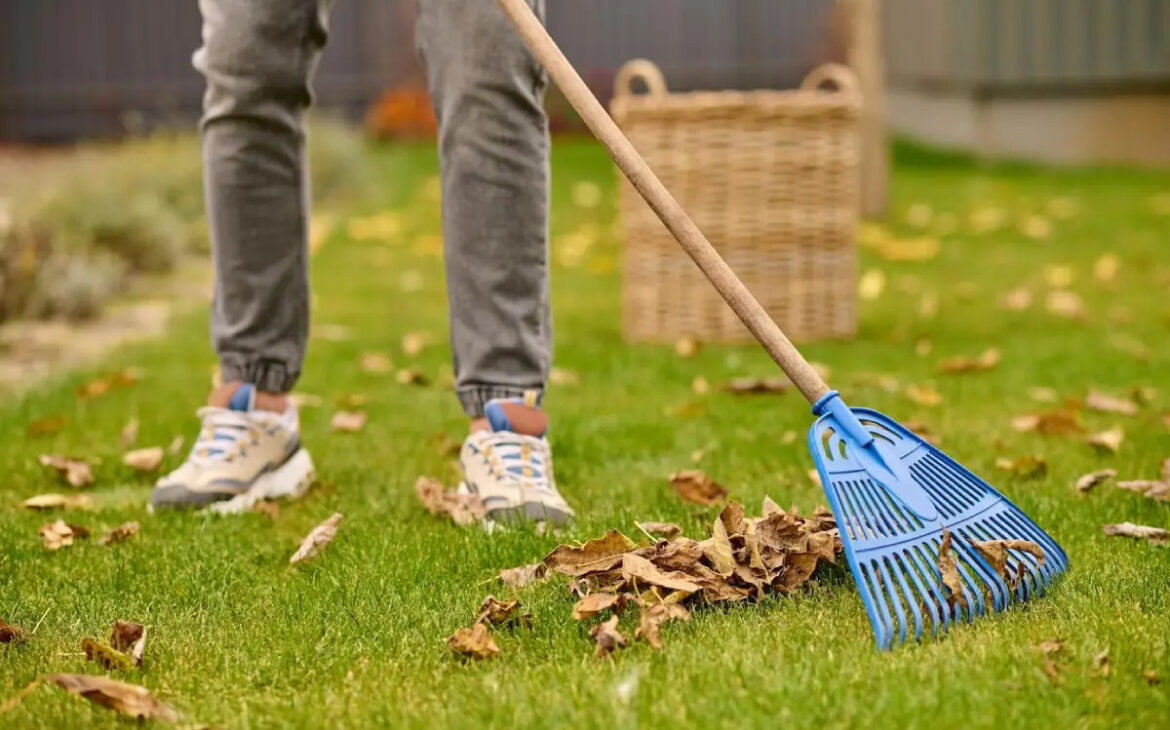
Grass needs three things to thrive: sunlight, air, and water. A layer of leaves or debris blocks all three. When leaves sit on turf for more than a week or two, the grass underneath turns yellow and weak. In wet weather, heavy leaf cover traps moisture against the blades, which encourages mold and fungal diseases.
Thatch also builds up over time. Thatch is the layer of dead stems, roots, and grass clippings that collects between the soil surface and the green blades. In small amounts, it is harmless. When it gets too thick, water struggles to reach the soil, and fertilizer sits on top of the dead layer instead of feeding the roots.
Cleaning the lawn regularly is one of the cheapest ways to prevent pest problems. Many insects and rodents use leaf piles as shelter through the winter. Removing the debris removes their hiding spots and lowers the chance of spring infestations.
A tidy yard also simply looks better and makes mowing easier earlier in the season. Debris-free grass cuts cleaner, which reduces the risk of scalping and leaves a more even finish.
What Actually Counts as Lawn Debris?
Before you start, it helps to know what you are dealing with. Lawn debris is not just leaves. A complete cleanup involves several types of material, and each one benefits from a slightly different approach.
- Leaves and pine needles: These are the most common debris. Dry leaves blow and collect quickly, but wet leaves are heavy and clog equipment.
- Twigs and fallen branches: After storms, these need hand picking or a strong blower setting. Never send large sticks through a mower or leaf vacuum.
- Thatch and dead grass: This brown, spongy layer sits between the soil and the green grass. Remove it with a dethatching rake or a power dethatcher.
- Litter and man-made objects: Plastic bags, paper cups, pet toys, and stone chips all need removal before mowing or blowing.
- Weeds and moss: These are not exactly debris, but a heavy cleanup is a good moment to pull obvious weeds and rake out moss patches.
Signs Your Lawn Needs a Cleanup Soon
You do not have to guess when the lawn needs attention. Look for these signs. If two or more are present, it is time to plan a cleanup day.
- Visible leaf cover: More than about 30 percent of the lawn is covered by leaves.
- Matted or squishy patches: Grass lies flat and feels wet even on dry days.
- A spongy feel underfoot: This usually means the thatch layer is too thick.
- Yellow or pale grass: Sunlight is not reaching the blades.
- Mushrooms or mold: Organic debris is decomposing on the surface.
The Fastest Way to Clean a Lawn, Step by Step
If you want the job done quickly, follow this order. It prevents you from working the same area twice.
- Walk the yard and remove large objects. Pick up sticks, toys, hoses, and anything that could damage equipment. This takes five minutes and protects your tools later.
- Mow before you rake. Mowing first knocks down matted grass and breaks up light leaf cover. Use the bagging attachment so clippings and small leaves are collected in one pass.
- Blow leaves into central piles. Work from the far edges of the yard toward the center. If you do not own a blower, use a wide rake and pull the leaves into tidy rows.
- Collect the piles. Use a leaf vacuum, a mower bagger, or a rake-and-tarp method. The tarp trick is fast: rake a pile onto the tarp, drag it to your collection area, and tip it into a bin.
- Dethatch if necessary. If the thatch layer is thicker than half an inch, use a dethatching rake or rent a power dethatcher. This is the most tiring step, so do it early in the day.
- Blow hard surfaces last. Clean the driveway, sidewalk, and patio by blowing debris onto the lawn, then collect it with the final pass. This avoids dragging lawn mess onto clean pavement.
- Dispose of the debris. Check your local rules for yard-waste collection. Many areas offer leaf pickup in the fall. If you compost, mix leaves with grass clippings for a balanced pile.
Following this sequence reduces double handling. Most homeowners finish a medium-sized yard in about 90 minutes once they have done it a few times.
Choosing Tools That Save Time
The right tool makes the biggest difference between a fast cleanup and a slow one. Here is how the common options compare for typical home lawns.
🚀 Pro Tip
A blower-vacuum combo tool saves both storage space and money. Use blower mode to sweep leaves into piles, then switch to vacuum mode to shred and collect them. It is the fastest one-person setup for small and medium yards.
Seasonal Lawn Cleanup: Spring, Fall, and After Storms
Lawn cleaning is not a one-time event. Each season calls for a slightly different routine, and knowing when to act saves a lot of effort later.
Fall cleanup: This is the most important pass of the year. Leaves left over winter become matted, wet, and heavy. They block air and light, and they encourage snow mold. Aim for a full cleanup in late fall, after most leaves have fallen but before heavy snow arrives. If you have large trees, expect to do two or three passes as leaves keep dropping.
Spring cleanup: After snow melts, the lawn is often covered with flattened leaves, twigs, and dead grass. Wait until the ground is dry enough that your shoes do not sink in. Working on soggy soil compacts it and damages new growth. A light raking followed by mowing with a bagger is usually enough.
After storms: Strong winds bring down branches and scatter leaves across the property. Deal with large debris right away for safety. Smaller leaf litter can wait a few days, but if it stays wet for long, the grass underneath will suffer.
⚠️ Important Notice
Never use a leaf vacuum on wet, heavy leaves. They clog the tube, jam the impeller, and fill the bag in minutes. Wait for a dry afternoon, or simply rake the heaviest wet piles into rows and let them dry before collection.
Mistakes That Make Lawn Cleaning Slower
Many people turn a two-hour job into a full day by making a few simple errors. Here is what to avoid.
- Cleaning in the wrong order: If you rake leaves first and then mow, you end up re-collecting what the mower throws around. Always mow first, then blow, then collect.
- Working with wet leaves: Wet leaves are heavy and slow. Blowing them takes twice as long, and vacuums clog constantly. Pick a dry day for major cleanups.
- Leaving debris over winter: Overwintering leaves create bare, dead patches by spring. The grass underneath may recover, but it can take weeks to look good again.
- Forgetting corners and edges: Leaves collect along fences, under shrubs, and around patio edges. If you only clean the open lawn, these spots become breeding grounds for mold and pests.
- Dethatching too aggressively: A power dethatcher can tear up a healthy lawn if used every year. Only dethatch when the layer is thick, and water well afterward to help the grass recover.
How Efficient Is Your Lawn Cleanup Routine in 2026?
If you are comparing tools or planning your first cleanup, this index gives a practical sense of what different methods deliver. It is an editorial comparison designed to help you choose where to spend your time and money, not a lab-tested measurement.
📊 Lawn Cleanup Efficiency Index (2026)
92%
88%
78%
85%
These percentages represent typical effort savings you can expect from using modern cordless blowers, mulching baggers, and a logical cleanup sequence. Your results will vary based on yard size, how many trees you have, and whether the debris is wet or dry. The method usually matters more than the brand of equipment.
FAQ
Can I just mow over leaves instead of raking them?
Yes, in moderation. If the leaf layer is thin enough that you can still see grass between the leaves, mowing with a mulching blade chops them into fine particles that break down and feed the soil. For heavy leaf coverage, collect the leaves with a bagger or make multiple passes, because thick leaf mats block sunlight and hold moisture against the grass.
When is the best time of year to do a full lawn cleanup?
Late fall is the best time for the main full cleanup, after most leaves have fallen but before the ground freezes. A lighter spring cleanup after the soil thaws removes anything winter left behind. During the growing season, a quick spot-clean once a week is enough for most yards.
How long should a lawn cleanup take for an average yard?
For a typical quarter-acre property with moderate tree cover, expect about 90 minutes to two hours using a leaf blower and a mower with a bagger. Raking alone can easily stretch the job to three or four hours. The fastest approach is blowing leaves into piles and collecting them with a leaf vacuum or a tarp.
Is thatch removal the same as cleaning up leaves?
No. Leaf cleanup removes material sitting on top of the grass. Dethatching removes the dense layer of dead stems and roots that sits between the soil and the grass blades. Both are part of a healthy lawn, but dethatching is only needed every few years for most lawns, while leaf cleanup happens every season.
Do I need special equipment, or can I clean the lawn with basic tools?
Basic tools are enough for small yards. A rake, a tarp, and a pair of gloves can handle most cleanup jobs. For medium and large yards, a cordless leaf blower and a mower bagging kit save a significant amount of time and are worth considering. Start with what you already own, and upgrade only if the cleanup becomes a regular struggle.
Conclusion
Cleaning a lawn does not have to be a weekend-long project. The fastest method is also the easiest to remember: walk the yard for hazards, mow with a bagger, blow the remaining leaves into piles, collect everything, and finish by clearing hard surfaces. Timing the major cleanup for late fall and a lighter pass in early spring keeps the grass healthy and prevents most common problems.
Start with the tools you already own, then add a leaf blower or leaf vacuum when the job becomes too big for basic raking. Your grass will stay greener, pests will have fewer places to hide, and the yard will look tidy for most of the year.