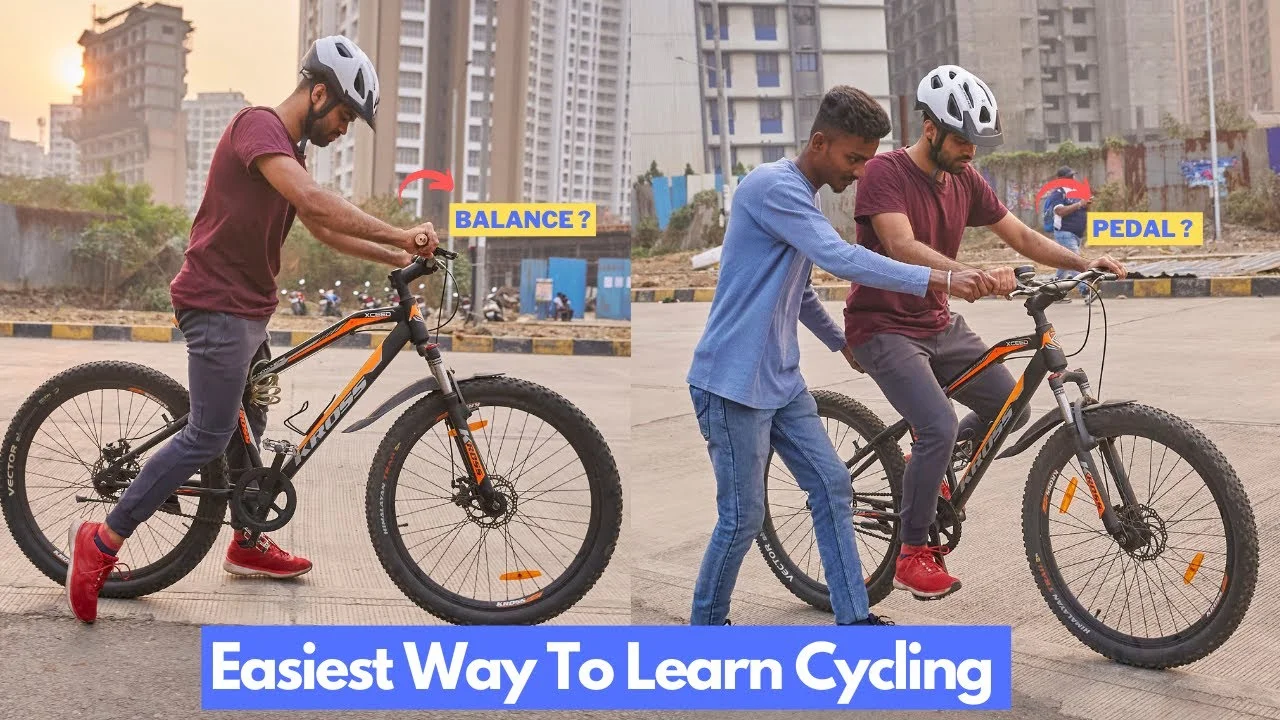
How to Learn Cycling Yourself
Learning to ride a bike is a rewarding skill that anyone can master with patience and practice. This comprehensive guide covers everything from choosing the right bike to building confidence on two wheels. Whether you’re a complete beginner or returning after years away, these proven techniques will help you learn cycling yourself safely and effectively.
Key Takeaways
- Start with balance: Mastering balance is the foundation of cycling, so practice gliding with your feet before pedaling.
- Choose the right bike: A properly sized bike with lowered seat height makes learning much easier and safer.
- Find a safe practice area: Empty parking lots or quiet parks provide ideal learning environments.
- Protect yourself: Always wear a helmet and protective gear to prevent injuries during practice.
- Practice regularly: Short, frequent practice sessions build muscle memory better than occasional long sessions.
- Stay patient: Everyone learns at their own pace, so don’t compare your progress to others.
- Build confidence gradually: Start with basic skills before attempting more challenging maneuvers.
📑 Table of Contents
Why Learning to Cycle Is Worth the Effort
There’s something magical about the moment you first pedal forward on your own. The wind in your face, the freedom of movement, the sense of accomplishment. Learning to cycle opens up a world of possibilities. It’s great exercise, an eco-friendly transportation option, and a skill that lasts a lifetime.
Many adults feel embarrassed about not knowing how to ride a bike. But here’s the truth: it’s never too late to learn. Thousands of people successfully learn cycling every year, regardless of age. The key is having the right approach and giving yourself permission to be a beginner.
This guide will walk you through everything you need to know about how to learn cycling yourself. No special talent required. Just patience, practice, and a willingness to try.
Getting Started: Choosing the Right Equipment
Selecting Your First Bike
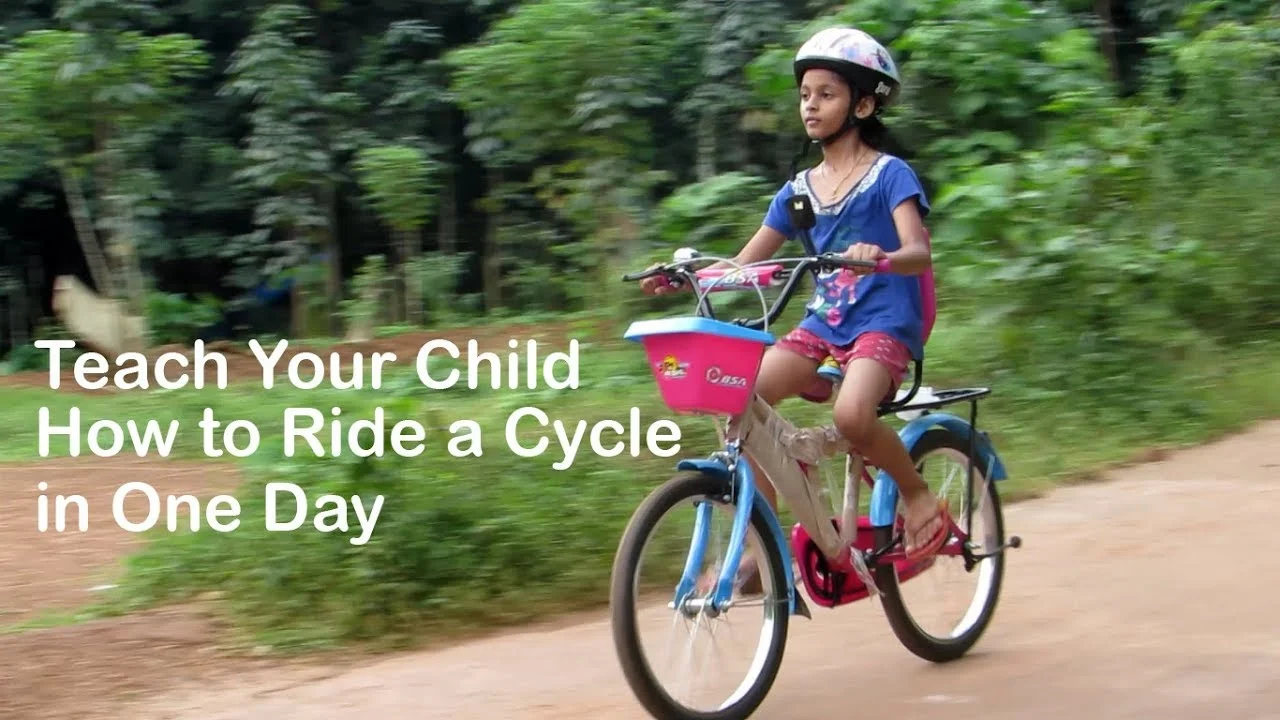
Not all bikes are created equal when you’re learning. You want something stable and easy to control. A bike with a low step-through frame makes mounting and dismounting much simpler. Avoid bikes with complicated gear systems at first. A simple single-speed bike works perfectly for beginners.
Visual guide about How to Learn Cycling Yourself
Image source: i.ytimg.com
Size matters enormously. When you sit on the bike, both feet should touch the ground flat. This gives you confidence and control. Many beginners make the mistake of using a bike that’s too large, which makes balancing much harder.
Essential Safety Gear
Before you touch a bike, get proper safety equipment. A well-fitted helmet is non-negotiable. Knee pads and elbow pads provide extra protection during those inevitable tumbles. Gloves protect your hands and improve grip.
Wear closed-toe shoes with good grip. Avoid sandals or loose footwear that could slip off pedals. Comfortable, fitted clothing prevents snagging on bike parts.
Finding Your Perfect Practice Spot
What Makes a Good Learning Environment
Location can make or break your learning experience. You need a flat, smooth surface with minimal traffic. Empty parking lots on weekends work wonderfully. School playgrounds after hours, quiet residential streets, or paved bike paths are also excellent choices.
Avoid hills, gravel, or uneven terrain initially. Grass might seem soft for falling, but it actually makes pedaling harder and affects bike handling. Smooth asphalt or concrete provides the best learning surface.
Preparing Your Practice Area
Before starting, check your practice spot for hazards. Look for potholes, debris, or drainage grates that could catch wheels. Make sure you have enough space to coast and practice turning. Having a clear boundary helps you focus without worrying about traffic.
Bring water, your phone, and consider having a friend nearby for encouragement and safety. Early practice sessions should last 20-30 minutes to avoid fatigue.
Mastering Balance: The Foundation of Cycling
The Scooting Method
Here’s a secret that makes learning cycling yourself much easier: forget the pedals at first. Lower your seat so both feet sit flat on the ground. Push yourself forward with your feet, like a scooter. This teaches your body how to balance on two wheels without the complexity of pedaling.
Practice gliding with your feet lifted slightly. Start with tiny lifts, then gradually extend the time your feet are off the ground. You’ll feel the bike’s natural stability when moving. This balance sense is crucial and transfers directly to pedaling later.
Understanding Countersteering
Here’s something that surprises new learners: to turn left, you briefly steer right first. This counterintuitive technique is how bikes actually work. At higher speeds, this happens naturally. At slow speeds, you need to consciously practice it.
Make wide, gentle turns initially. Sharp turns at low speed cause most beginner falls. Practice figure-eights in your safe area to build turning confidence.
Adding Pedals to the Equation
Positioning for Success
Once you can glide comfortably for 10-15 feet, it’s time to pedal. Raise the seat slightly so your leg has a slight bend at the pedal’s lowest point. Too low and you waste energy. Too high and you lose stability.
Position one pedal at the 2 o’clock position before starting. This gives you maximum power for your first push. Place your foot on this raised pedal, push down hard, and immediately find the other pedal.
Your First Pedaling Attempts
Start on a very slight downhill if possible. Gravity helps maintain the speed needed for balance. Push off with one foot, place it on the pedal, and start pedaling smoothly. Don’t pedal too fast initially. A steady, moderate pace maintains control.
Look ahead, not down at your feet. Your bike goes where you look. Pick a point 20-30 feet ahead and focus there. This single tip prevents countless beginner crashes.
Building Confidence Through Practice
Creating a Practice Routine
Consistency beats intensity when learning to cycle. Practice 20-30 minutes daily rather than hours once a week. Your body builds muscle memory through repetition. Each session, focus on one specific skill: starting, stopping, turning, or looking around while riding.
Keep a simple log of what you practiced and what felt challenging. This helps you track progress and identify areas needing more work.
Overcoming Common Fears
Fear of falling is normal and actually protective. But don’t let it paralyze you. Remember, you’re practicing in a safe area at low speeds. Falls at learning speed rarely cause serious injury, especially with protective gear.
If you feel panic rising, stop, breathe, and walk the bike. There’s no shame in taking breaks. Confidence builds through successful experiences, so end each session with something you did well.
Advancing Your Skills
Learning to Start and Stop Smoothly
Starting and stopping gracefully marks the transition from beginner to competent rider. Practice emergency stops by squeezing both brakes evenly. The front brake provides most stopping power, but using it alone can flip you. Always use both brakes together.
For smooth starts, look for a landmark to aim toward. This prevents the wobbling that comes from uncertainty. Practice starting from different positions until it feels automatic.
Navigating Real-World Conditions
Once comfortable in your practice area, gradually introduce new challenges. Try slightly busier paths, gentle hills, or riding in light wind. Each new condition builds your overall competence.
Learn basic hand signals for turning and stopping. Practice looking over your shoulder without swerving. These skills prepare you for riding in traffic eventually.
Conclusion
Learning to cycle yourself is absolutely achievable with the right approach. Remember to start with balance, choose appropriate equipment, and practice consistently in safe environments. Everyone learns at their own pace, so be patient with yourself.
The freedom and joy of cycling make every practice session worthwhile. Soon, you’ll wonder why you didn’t start sooner. So grab that helmet, find your practice spot, and take your first glide. Your cycling adventure awaits!
Frequently Asked Questions
What is the best age to learn cycling?
There’s no perfect age to learn cycling. Children often start between 3-5 years old, but adults can learn at any age. The key factors are motivation and practice, not age. Many people successfully learn cycling in their 30s, 40s, or beyond.
How long does it take to learn cycling?
Most people learn basic cycling within 3-5 practice sessions of 20-30 minutes each. However, building real confidence and skill takes several weeks of regular practice. Everyone progresses differently, so focus on your own journey rather than timelines.
Should I use training wheels when learning?
Training wheels can actually hinder learning because they prevent you from developing proper balance. The scooting method described in this guide teaches balance more effectively. Skip training wheels and learn the right skills from the start.
What type of bike is best for beginners?
A simple, single-speed bike with a low frame works best for learning. Make sure you can touch the ground with both feet while seated. Avoid bikes with complicated gears or hand brakes initially. Comfort and control matter more than features.
How do I overcome the fear of falling?
Wear proper protective gear including a helmet, knee pads, and elbow pads. Practice in safe, open areas at low speeds. Remember that learning-speed falls rarely cause injury. Each successful ride builds confidence and reduces fear naturally.
Can I really learn cycling by myself?
Absolutely! Many people successfully learn cycling themselves using the techniques in this guide. Having a friend nearby for encouragement helps, but isn’t required. The key is patience, proper equipment, and consistent practice in a safe environment.