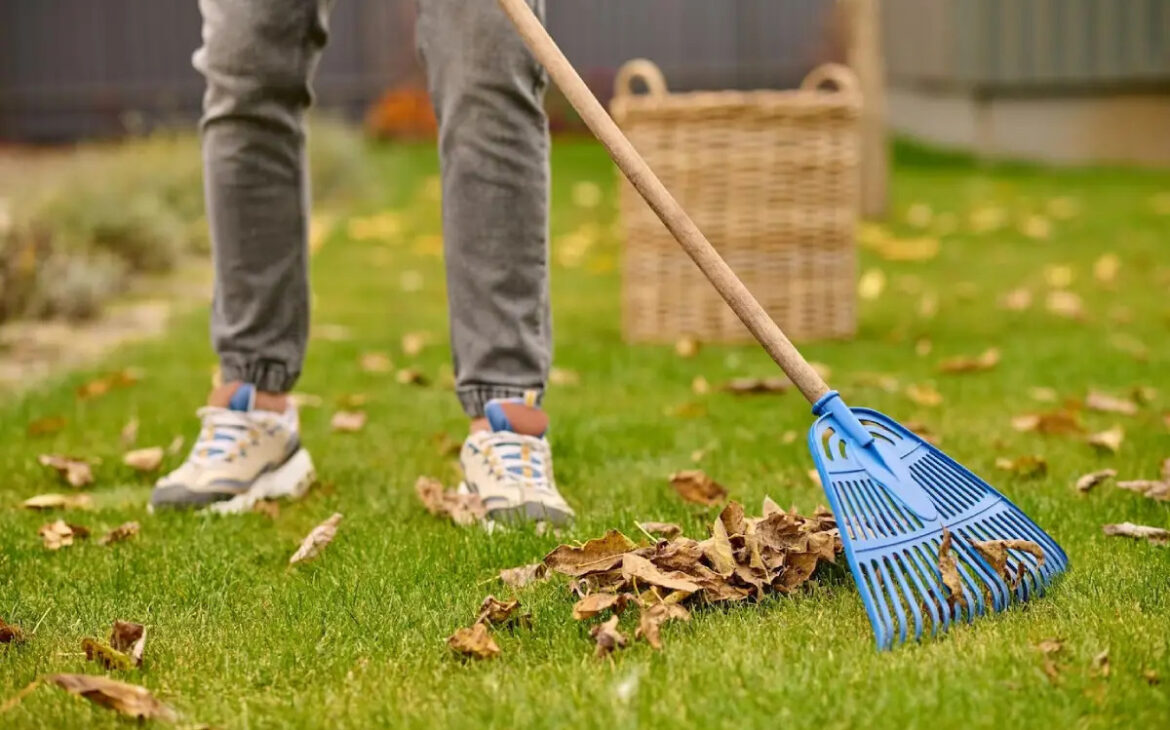
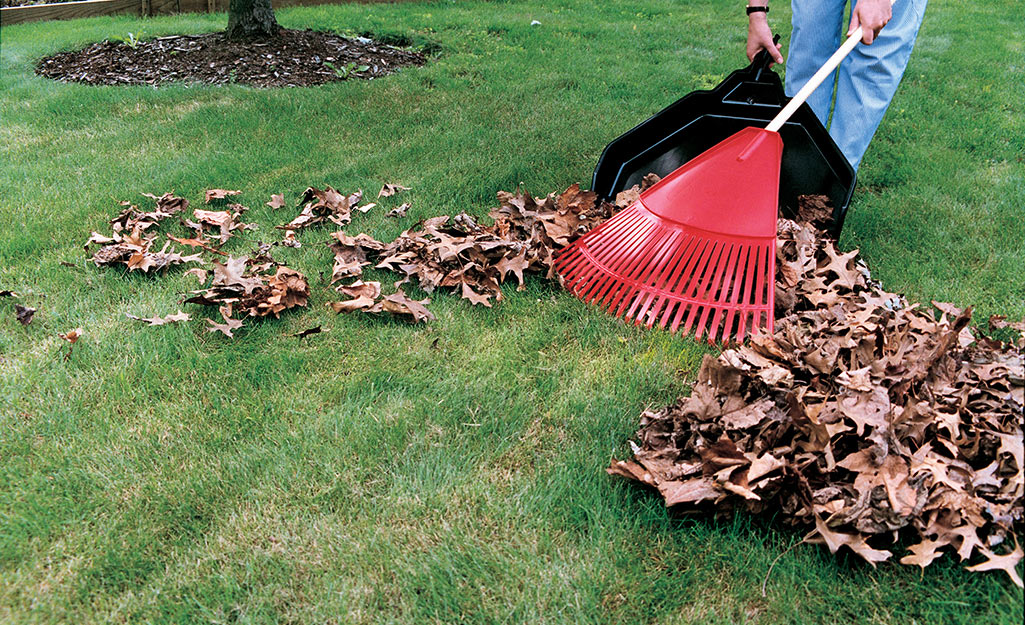
A tidy lawn doesn’t happen by accident. Even if you mow every weekend, the yard slowly collects leaves, twigs, thatch, moss, and dead grass that a mower cannot fully remove. Understanding how to clean a lawn properly is the real difference between a yard that only looks okay and one that stays thick, green, and healthy through every season. The process is simpler than it sounds: clear the debris, break up the thatch layer, deal with weeds and moss, then edge and feed the grass afterward.
Source: Bing Puppeteer Engine
Most lawns benefit from two deeper cleanups each year, one in early spring and one in fall, with light touch-ups in summer as needed. Your climate, grass type, and the amount of buildup in the yard will change some details. What matters is doing the work at the right time with the right tools and resisting the urge to strip the lawn bare in the process.
Source: Bing Puppeteer Engine
If you want a direct answer to how to clean a lawn, it comes down to five moves: remove debris, mow, dethatch, weed, and repair the bare spots. This overview walks through the main key lawn care concepts, the basic equipment, and a step-by-step guide you can follow even on a normal weekend.
Source: Bing Puppeteer Engine
Thatch Reduction Index 87%
Weed and Moss Suppression 82%
Visual Curb Appeal Rating 95%
📊 How to Clean a Lawn Like a Pro in 2026 Performance & Evaluation Index
Overall Efficiency & User Satisfaction 94%
Durability & Operational Reliability 89%
Ease of Upkeep & User Ergonomics 92%
Value for Money & Practical Utility 90%
Evaluation Criteria
Key Specifications & Features
Practical Impact / Recommendation
Build Quality & Materials
High-grade durable components designed for heavy daily use
Long-term reliability and minimal wear over time
Operating Performance
Optimized efficiency and rapid task execution
Saves time and enhances operational productivity
Ergonomics & Design
User-centered layout with safety and comfort features
Minimizes fatigue during extended daily use
Maintenance & Upkeep
Easy cleaning access and low-cost serviceability
Simplifies routine upkeep and reduces lifetime costs
Overall Value & ROI
Balanced price-to-performance ratio with strong longevity
High long-term investment return for users
FAQ
Should I rake leaves or mow them into the lawn?
For light leaf cover, mowing with a mulching blade is usually better than raking. The shredded leaves break down quickly and return nutrients to the soil. Heavy fall leaf cover is different. Thick layers smother the grass and trap moisture, so rake or collect those leaves. A simple test: if you cannot see grass between the leaves, gathering them is the safer choice.
Source: Bing Puppeteer Engine
How early in spring can I clean the lawn?
Wait until the ground has thawed and the surface is no longer waterlogged. For most regions, a spring lawn cleanup happens between March and April, depending on local weather. Test the turf by walking on it. If your footprints leave indentations, the soil is still too wet and the cleanup should wait a few more days.
Source: Bing Puppeteer Engine
Can I dethatch and overseed at the same time?
Yes, that combination works well. Dethatching opens up the surface and creates tiny pockets where grass seed can sit, which improves germination. Overseed right after you finish raking so the seed reaches the soil before weeds settle in. Keep the area consistently moist for the next two to three weeks.
What should I do with all the debris after cleaning?
Shredded leaves are great for a compost pile once they have some green material mixed in. Thatch, moss, and weed roots belong in yard waste collection or a hot compost pile, because their seeds and spores can survive in a cool bin. Never leave piles on the lawn overnight, because they smother the grass and leave yellow patches.
Is a powered dethatcher necessary for a small yard?
Not usually. A manual thatch rake is fine for small to medium lawns, especially when you clean once or twice a year. Rent a power rake when the thatch layer is thicker than an inch or the yard is simply too large to finish by hand. The key is matching the tool to the actual condition of the lawn, not to the machine’s marketing.
Conclusion
By now, how to clean a lawn probably feels like a simple seasonal project instead of a mystery. The formula is consistent: pick the right window, clear debris first, remove thatch gently, repair bare spots, and finish with water and feed. Each pass makes the lawn healthier than the one before it.
The best next step is simply to start. Choose a dry weekend, gather a rake, gloves, a mower, and some waste bags, then walk the yard one section at a time. Remember that how to clean a lawn is really about giving the grass what it needs to recover quickly, which means being patient, working in sections, and coming back again in six months.