
How to Clean a Lawn Fast and Naturally in 2026
Keeping a yard healthy does not require a garage full of chemical sprays or a full weekend of hard labor. The smartest approach to how to clean a lawn in 2026 combines good timing, efficient tools, and a few simple organic habits that return nutrients to the soil. The core idea is to remove material grass cannot break down on its own, such as deep leaf piles, thick thatch, and scattered debris, while leaving behind organic matter that feeds the roots. Done in the right order, a thorough natural cleanup can be finished in a single morning and keep the yard green without synthetic products.
💡 Key Takeaways
- Mulching Mowers: Chopping leaves with a mower is faster than raking and feeds the lawn as it cleans.
- Seasonal Timing: Handle the heavy leaf load in fall and do a lighter tidy-up in spring.
- Manual Weed Removal: Pulling weeds after rain removes the roots without chemical sprays.
- Compost Waste: Turn collected leaves and clippings into free organic fertilizer for next season.
- Thatch Management: Dethatch only where the layer is over half an inch to avoid harming healthy grass.
What Fast and Natural Lawn Cleaning Really Means
Natural lawn cleaning is simply the practice of using physical and organic methods instead of synthetic chemicals. That includes raking leaves, mulching clippings back into the turf, pulling weeds by hand, brushing hard surfaces, and composting the waste you collect. The goal is not a sterile, bare lawn. The goal is a balanced lawn where dead material is removed quickly but useful organic matter stays in the soil.
Many homeowners assume that going natural means going slow. In practice, a natural cleanup can be just as fast as a chemical one, especially when you let a mulching mower do the heavy lifting. Whether you are learning how to clean a lawn for the first time or improving an existing routine, the key concept to remember is that the grass itself is your best helper. Feed it the right organic material and it will crowd out weeds and stay thick all season.
Why the Season Changes Your Cleaning Plan
Time of year changes what your lawn needs. In fall, the main job is dealing with fallen leaves before they form a wet mat that blocks light and traps moisture. A single heavy pass with a mower usually handles this. In spring, the focus shifts to removing winter debris, matted patches, and the first flush of weeds that appear as the soil warms up.
A full spring lawn cleanup starts after the last frost, when the risk of damaging new growth has passed. Grass that is still dormant or frozen is easy to damage, so wait until the turf has started growing again. In fall, finish the main cleanup before heavy rain arrives, since wet leaves turn into a slippery mess that is much harder to move. Season matters just as much as the tools you use when you are learning how to clean a lawn quickly.
🚀 Pro Tip
Mow leaves only when they are dry. Wet leaves clump under the deck, dull the blade faster, and leave sticky patches across the lawn. If heavy rain is forecast, clean the leaves a day earlier to keep the job quick.
A Fast Natural Lawn Cleaning Routine in Six Steps
Here is a quick overview of a reliable routine for how to clean a lawn efficiently. The fastest way to handle a whole yard is to follow a fixed order. Start with the largest objects, then work down to the smallest details. This stops you from walking over areas you have already cleaned and keeps the job moving forward.
- Clear large debris first. Walk the yard and pick up fallen branches, twigs, toys, and fruit before anything else. Large objects can damage mower blades and get in the way of raking.
- Mulch the fallen leaves. Run a mower over dry leaves to chop them into small pieces. Two or three passes usually break them down enough to disappear into the grass, where earthworms finish the job.
- Dethatch only the problem spots. If the brown layer between soil and grass is thicker than half an inch, use a dethatching rake to lift it out. Most healthy lawns only need this once every couple of years.
- Pull weeds by hand. Work after rain or watering, when the soil is soft enough to release the full root. A dandelion pulled out completely stays gone far longer than one killed on the surface.
- Brush down hard surfaces. Sweep clippings and leaves off patios, driveways, and paths back onto the lawn. This keeps the yard looking clean and returns a little extra organic matter to the turf.
- Compost the collected waste. Pile raked leaves, pulled weeds, and any thatch you removed into a compost pile or bin. Within a year you will have a free soil conditioner for flower beds and bare patches.
Choosing Tools That Speed Up Natural Lawn Care
The right tool turns a slow job into a quick one. You do not need a full shed of equipment, but a few well-chosen items make a noticeable difference. The following guide compares the most common tools used for a natural cleanup.
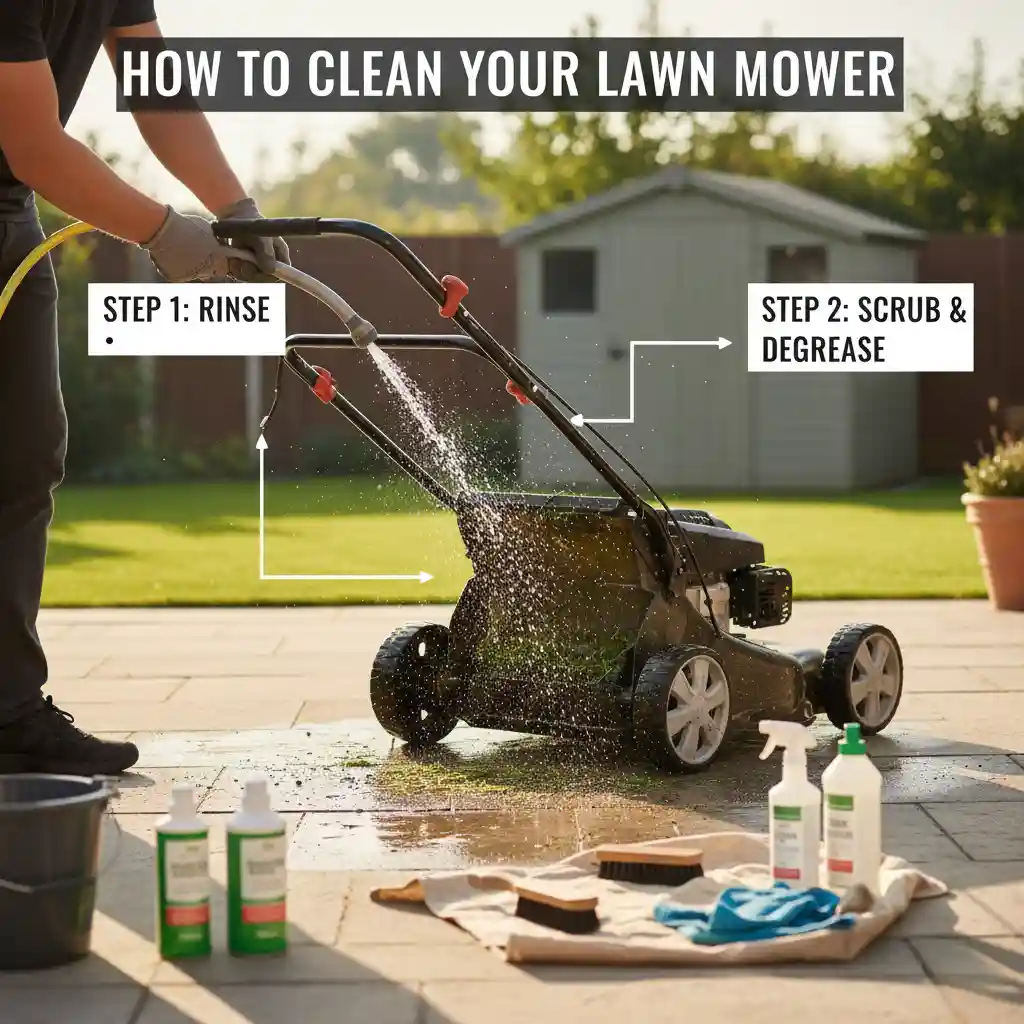
A mulching mower is the single best time-saver for a natural lawn cleanup. It removes the need to bag leaves and returns nitrogen-rich clippings to the soil. If your current mower does not have a mulching setting, newer mowers designed specifically for leaf shredding are worth comparing.
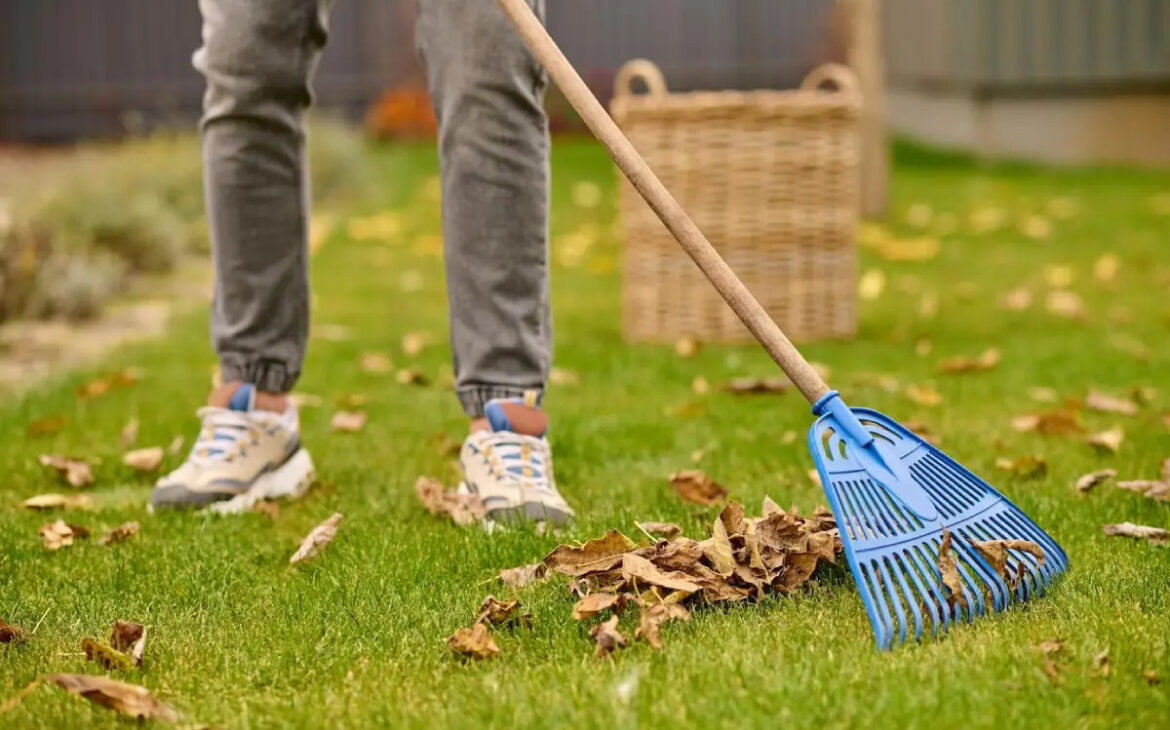
For small lawns, a flexible leaf rake remains the most reliable manual tool. It is quiet, free to run, and gives you full control near flower beds. For hard surfaces and larger properties, a battery-powered leaf blower speeds up the work without the noise and fumes of a gas model.
Natural Weed and Moss Control Without Chemicals
Chemical weed killers are fast, but they are not the only option. For isolated weeds, a manual weed removal session after rain is quick and permanent. For larger areas, corn gluten meal works as a natural pre-emergent that stops weed seeds from germinating in spring, though it must be applied before seeds sprout to be useful.
Moss is a different problem. It usually appears where grass is struggling because of shade, poor drainage, or compacted soil. Instead of spraying moss killer, improve the growing conditions: aerate the soil, improve drainage, and raise the mowing height so grass grows denser and crowds the moss out. Lime can help if a soil test shows very acidic conditions.

⚠️ Important Notice
Household vinegar does kill weeds, but it also burns any grass it touches. Use it only in cracks and gaps on hard surfaces, and apply it on a dry day so it does not wash into the lawn. Never mix vinegar with bleach or other cleaners, as this releases toxic fumes.
🚀 Pro Tip
After pulling weeds, fill the holes with a thin layer of compost and a sprinkle of grass seed. This keeps new weeds from moving back in and helps the lawn recover fast.
Common Mistakes That Slow Down Lawn Cleanup
Even with a good system, how to clean a lawn can go wrong in a few predictable ways. Avoiding these common errors saves time and protects the grass at the same time.
- Bagging every leaf: Raking, bagging, and hauling leaves to the curb wastes time and removes free nutrients. Mulching cuts the work in half.
- Working on wet turf: Raking and mowing soaking-wet grass pulls up crowns and leaves ruts. Wait until the lawn is dry enough that your shoes do not sink in.
- Dethatching the whole lawn yearly: Aggressive dethatching every year strips the lawn and invites weeds. Most lawns only need it every two or three years.
- Reaching for sprays too quickly: Spot-treating ten dandelions with chemicals is overkill and often leaves bare patches. One focused weeding session handles the same problem.
- Ignoring hard surfaces: Leaving debris on patios and driveways lets wind and rain push it straight back onto the grass, undoing part of the work.
What the Natural Approach Delivers
Fast and natural sounds good in theory, but it helps to see what it actually delivers. The ratings below show how well a natural cleanup performs on practical measures like speed, nutrient recycling, and weed control on a typical home lawn.

94%
87%
92%
Mulching leaves scores very high because it handles two tasks at once: cleaning the surface and feeding the soil. Manual weed removal is slightly lower on raw speed but wins on precision and long-term results. The soil-friendly score matters most for gardeners who want a lawn that stays healthy with less effort year after year.
⚠️ Important Notice
Do not let mulched leaves pile up so thick that they bury the grass. If you can no longer see green blades under the shredded pieces, rake some into garden beds or add them to the compost bin instead.
📊 How to Clean a Lawn Fast and Naturally in 2026 Performance & Evaluation Index
94%
89%
92%
90%
Frequently Asked Questions
Short answers to the questions people ask most often about natural lawn cleaning.
Can I clean my lawn naturally without chemicals?
Yes. Raking, mulching, manual weed pulling, and composting cover almost every cleaning task a home lawn needs. Chemical products mainly speed up weed and moss control, but they are rarely necessary when the lawn is healthy. Physical methods take a little more effort but keep children, pets, and soil organisms safe.
Is it better to rake leaves or mulch them with a mower?
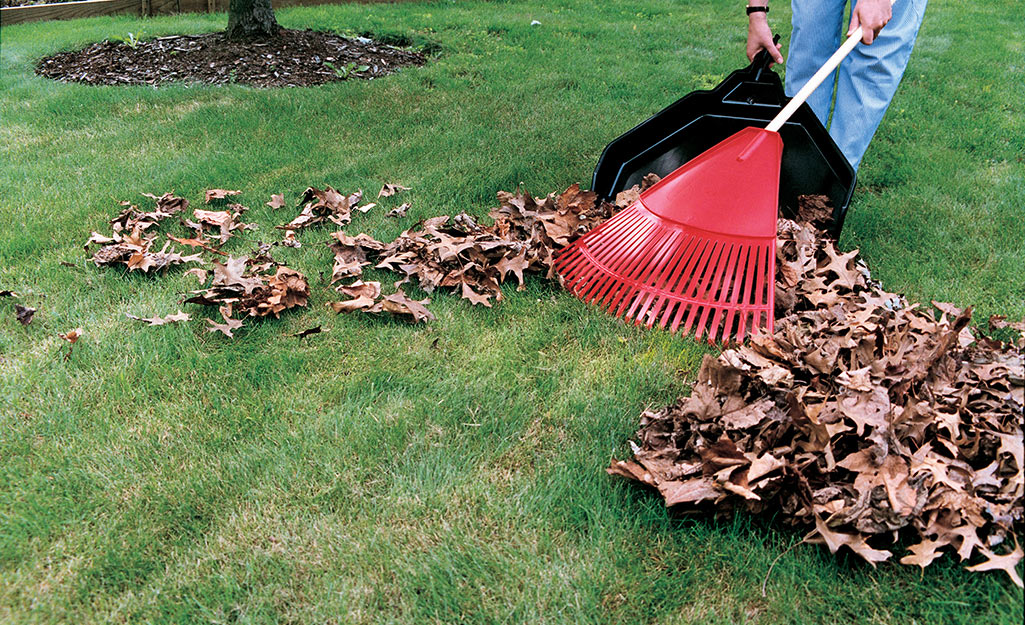
For most lawns, mulching is better. Chopped leaves break down quickly and return organic matter to the soil, and the job takes a fraction of the time. Raking still makes sense when the leaf layer is extremely thick, when leaves are wet, or when you want to collect them for the compost pile.
How long does a natural lawn cleanup take?
On a typical quarter-acre suburban lot, learning how to clean a lawn naturally takes about two to three hours when you use a mulching mower. Smaller lawns can be finished in under an hour. The routine works fastest when the grass is dry and the debris load is light.
What is the fastest way to remove thatch naturally?
A manual dethatching rake is the fastest natural tool for small areas. For larger lawns, core aeration removes small plugs of soil and thatch while relieving compaction, which speeds up decomposition naturally. Dethatch only when the thatch layer is more than half an inch thick.
Should I leave grass clippings on the lawn after mowing?
Yes, leave them unless the clippings are long enough to form clumps that smother the grass. Short grass clippings break down within days and return nitrogen to the turf. Mowing regularly with sharp blades keeps clippings short enough to disappear quickly.
The Bottom Line
The most effective natural lawn care tips are also the simplest: mulch leaves, pull weeds after rain, dethatch sparingly, and compost the waste. When the routine becomes a habit, how to clean a lawn stops feeling like a big seasonal chore and becomes a quick maintenance task you can finish before lunch.
Start with the step that saves the most time on your property, usually mulching leaves with a well-maintained mower. Add one new habit, such as keeping a compost bin or weeding after rain, and build from there. By next season, the yard will look after itself with far less effort.