Common Fishing Mistakes Beginners Make and How to Avoid Them
New to fishing? You’re not alone—many beginners make the same frustrating mistakes that keep them from catching fish. This guide breaks down the most common fishing errors and shows you exactly how to fix them. From gear selection to casting technique, you’ll learn practical tips to boost your success on the water.
Fishing is one of the most relaxing and rewarding outdoor hobbies—but it’s easy to get frustrated when you’re just starting out. Maybe you’ve spent hours by the lake with nothing to show for it. Or maybe your line keeps tangling, or you’re not sure what bait to use. Don’t worry—you’re not doing anything “wrong.” You’re just making some very common beginner mistakes.
The good news? These mistakes are totally fixable. In this guide, we’ll walk you through the most frequent fishing errors new anglers make and give you clear, actionable advice to avoid them. Whether you’re fishing from a dock, shore, or boat, these tips will help you catch more fish and enjoy every minute on the water.
- Match your gear to your target species: Using the wrong rod, reel, or line can ruin your chances before you even cast.
- Check local regulations first: Fishing without a license or in restricted areas leads to fines and harms conservation efforts.
- Pay attention to weather and time of day: Fish are more active during dawn, dusk, and overcast conditions—not midday sun.
- Use the right bait or lure: Live bait works great for beginners, but matching the hatch increases your odds significantly.
- Practice proper casting technique: Smooth, controlled casts prevent tangles and spook fish with loud splashes.
- Be patient and observant: Rushing or ignoring water signs (like ripples or birds diving) means missed opportunities.
- Handle fish with care: Wet your hands before touching fish to protect their slime coat and ensure safe release.
📑 Table of Contents
1. Using the Wrong Gear for the Job
One of the biggest fishing mistakes beginners make is grabbing whatever rod and reel they find at the store—or borrowing old, mismatched gear. While enthusiasm is great, using equipment that doesn’t match your target fish or fishing style leads to frustration and failure.
Why gear matters
Different fish species require different setups. A heavy bass rod won’t feel a subtle trout bite, and a ultralight panfish rod can’t handle a big catfish. Your rod’s power (light, medium, heavy) and action (fast, moderate) should match the size and fight of the fish you’re after.
Quick gear checklist for beginners
- Rod & Reel Combo: Start with a medium-power, fast-action spinning combo—it’s versatile for bass, walleye, and panfish.
- Fishing Line: Use 8–10 lb monofilament for general freshwater fishing. It’s forgiving and easy to handle.
- Hooks: Size 6–10 circle hooks are great for live bait; avoid oversized hooks that scare small fish.
- Bobbers & Sinkers: Have a few split shot sinkers and a basic bobber to control bait depth.
Pro Tip: Visit a local bait shop and tell them where you’re fishing and what you’re targeting. They’ll set you up with the perfect starter kit—and often share free local tips!
2. Ignoring Local Fishing Regulations
Visual guide about beginner fishing mistakes
Image source: kotorfisherman.com
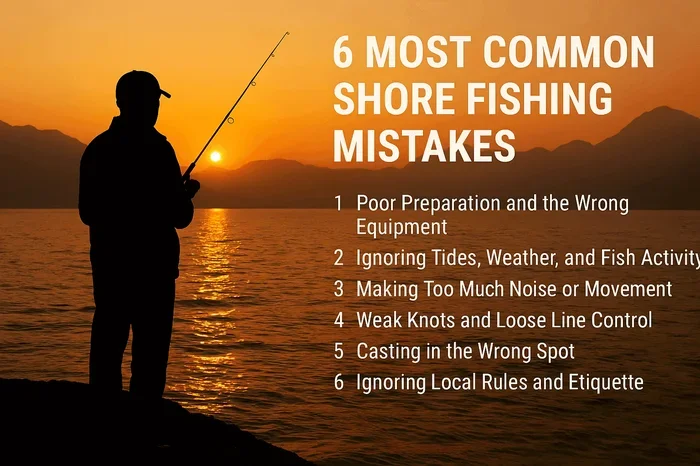
Before you even tie on a hook, you need to know the rules. Many beginners skip this step—and end up with fines or worse, harming fish populations.
What you must check
- Fishing License: Required in nearly all U.S. states and many countries. Buy one online or at a sporting goods store.
- Seasons & Limits: Some fish can only be kept during certain months. Daily bag limits prevent overharvesting.
- Size Restrictions: Undersized fish must be released immediately to support healthy breeding.
- Restricted Areas: Some lakes, rivers, or zones are catch-and-release only or completely off-limits.
Why it matters beyond legality
Following regulations isn’t just about avoiding tickets—it’s about sustainable fishing. Healthy fish populations mean better fishing for everyone, now and in the future. Plus, respecting rules builds trust between anglers and conservation officers.
3. Fishing at the Wrong Time or in Bad Conditions
Visual guide about beginner fishing mistakes
Image source: thebookongonefishing.com
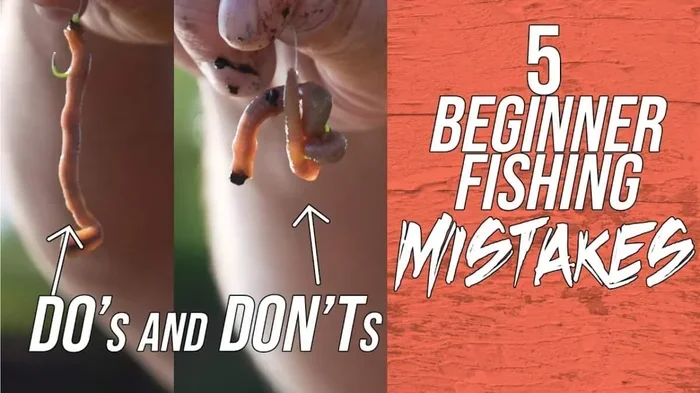
You could have perfect gear and bait—but if you’re fishing when fish aren’t biting, you’ll go home empty-handed. Timing is everything.
Best times to fish
- Dawn and Dusk: Fish feed heavily during low-light hours. Arrive 30 minutes before sunrise or sunset.
- Overcast Days: Cloud cover makes fish feel safe and active all day long.
- After Rain: Light rain washes insects into the water, triggering feeding frenzies.
Conditions to avoid
- Midday Sun: Bright, hot days push fish into deeper, shaded areas.
- Extreme Weather: Thunderstorms or high winds make fishing dangerous and unproductive.
- Barometric Pressure Swings: Rapid changes (like before a storm) can shut down fish activity.
Expert Insight: “Fish are cold-blooded—they follow comfort,” says veteran guide Maria Lopez. “If you’re uncomfortable in the heat or wind, the fish probably are too. Adjust your timing.”
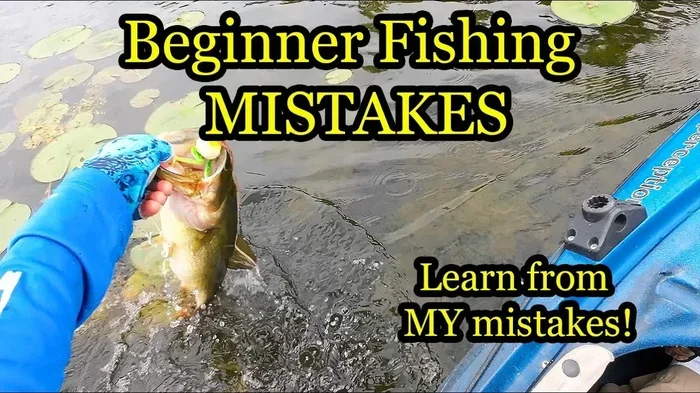
4. Choosing the Wrong Bait or Lure
Visual guide about beginner fishing mistakes
Image source: i.ytimg.com
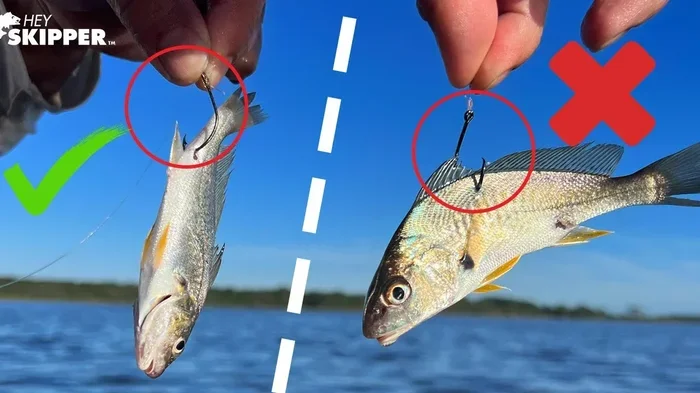
Using the wrong bait is like showing up to a pizza party with sushi—it might be good, but it’s not what anyone wants. Matching your offering to what fish are actually eating is key.
Live bait vs. artificial lures
- Live Bait (Best for Beginners): Worms, minnows, crickets, and nightcrawlers work almost everywhere. They smell, move, and taste real.
- Soft Plastics: Imitate worms or minnows. Easy to rig and deadly effective for bass and panfish.
- Hard Lures (Crankbaits, Spinners): Great once you learn retrieval techniques—but can be tricky for new anglers.
Match the hatch
Look around! Are there dragonflies? Use a small fly or spinner. Seeing minnows jump? Try a silver crankbait. Fish eat what’s naturally available—so copy nature.
5. Poor Casting Technique
A bad cast doesn’t just miss the mark—it scares fish, creates tangles, and wastes time. But with a little practice, casting becomes second nature.
Common casting mistakes
- Overpowering the cast: Slamming the rod creates loud splashes that spook fish.
- Not watching the line: Letting the line go slack causes backlash (in spinning reels) or bird’s nests (in baitcasters).
- Casting too far: Accuracy beats distance. Aim for structure—like docks, weeds, or drop-offs—not open water.
Simple casting drill
Practice in your backyard with a plug (no hook!). Focus on smooth acceleration and stopping the rod at 10 o’clock. Let the rod do the work—not your arm.
Quick Tip: If you’re using a spinning reel, keep your index finger on the line until release. It gives you total control.
6. Being Impatient or Not Observing the Water
Fishing isn’t just about waiting—it’s about watching. Beginners often stare at their rod tip and miss all the clues the water is giving them.
What to look for
- Surface Activity: Ripples, swirls, or jumping fish mean feeding is happening below.
- Birds Diving: Seagulls or herons working an area? Fish are pushing bait to the surface.
- Structure & Cover: Fallen trees, rocks, weed edges, and docks are fish magnets.
- Water Clarity: Murky water? Use bright lures. Clear water? Go natural-colored.
Patience pays off
7. Mishandling Fish You CatchCatching a fish is exciting—but how you handle it determines whether it survives if you release it. Many beginners grab fish with dry hands or squeeze too hard.
Safe fish handling tips
- Wet your hands first: Dry hands remove the fish’s protective slime coat, making it vulnerable to infection.
- Use pliers to remove hooks: Reduces injury to both you and the fish.
- Support the body: Never hold a large fish vertically by the jaw—it can damage internal organs.
- Minimize air exposure: Keep fish in the water as much as possible during unhooking.
Remember: Catch-and-release only works if the fish survives. Handle with care, and it’ll be there for the next angler.
Conclusion: Fish Smarter, Not Harder
Fishing should be fun—not frustrating. By avoiding these common beginner mistakes, you’ll spend less time untangling lines and more time reeling in fish. Remember: match your gear to your target, follow the rules, fish at the right time, use the right bait, cast with control, observe your surroundings, and handle fish gently.
Every expert angler was once a beginner. The difference? They learned from their mistakes—and now, so can you. Grab your rod, head to your local spot, and put these tips into action. Your next cast could be the one that changes everything.
Frequently Asked Questions
What is the #1 mistake beginner anglers make?
The most common mistake is using the wrong gear for the target fish. A mismatched rod, reel, or line makes it hard to detect bites or land fish successfully. Start with a medium-power spinning combo for versatility.
Do I need a fishing license to fish?
Yes, in almost all cases. Licenses fund conservation and habitat protection. You can usually buy one online or at a local tackle shop—often for under $30 for a year.
What’s the best bait for beginners?
Live worms or nightcrawlers are ideal. They’re cheap, easy to find, and attract a wide variety of freshwater fish. Pair them with a small hook and bobber for instant success.
When is the best time of day to go fishing?
Early morning (just after sunrise) and late evening (before sunset) are prime feeding times. Overcast days also offer excellent all-day fishing opportunities.
How do I stop my fishing line from tangling?
Use smooth, controlled casts—don’t whip the rod. Keep tension on the line with your index finger (on spinning reels), and avoid casting into wind if possible.
Is catch-and-release safe for fish?
Yes, if done correctly. Wet your hands, minimize air exposure, and use barbless hooks or pliers for quick removal. Healthy handling ensures fish survive after release.