
How to Store Leftover Food: Safe and Fresh Practices
SEO Title
How to Store Leftover Food Safely at Home
Meta Title
How to Store Leftover Food at Home: Safety Tips
Meta Description
Learn smart container choices, portioning, refrigeration, reheating, and food safety rules for leftovers. Practical tips to reduce waste and stay healthy.
URL Slug
how-to-store-leftover-food
Introduction
Leftovers are a practical way to cut waste and save time. Yet many people ask how to store leftover food so it stays fresh and safe. Good storage keeps flavor, texture, and food safety in check. This guide walks through container choices, portioning, refrigeration, reheating, and simple habits you can use today.
Main Content
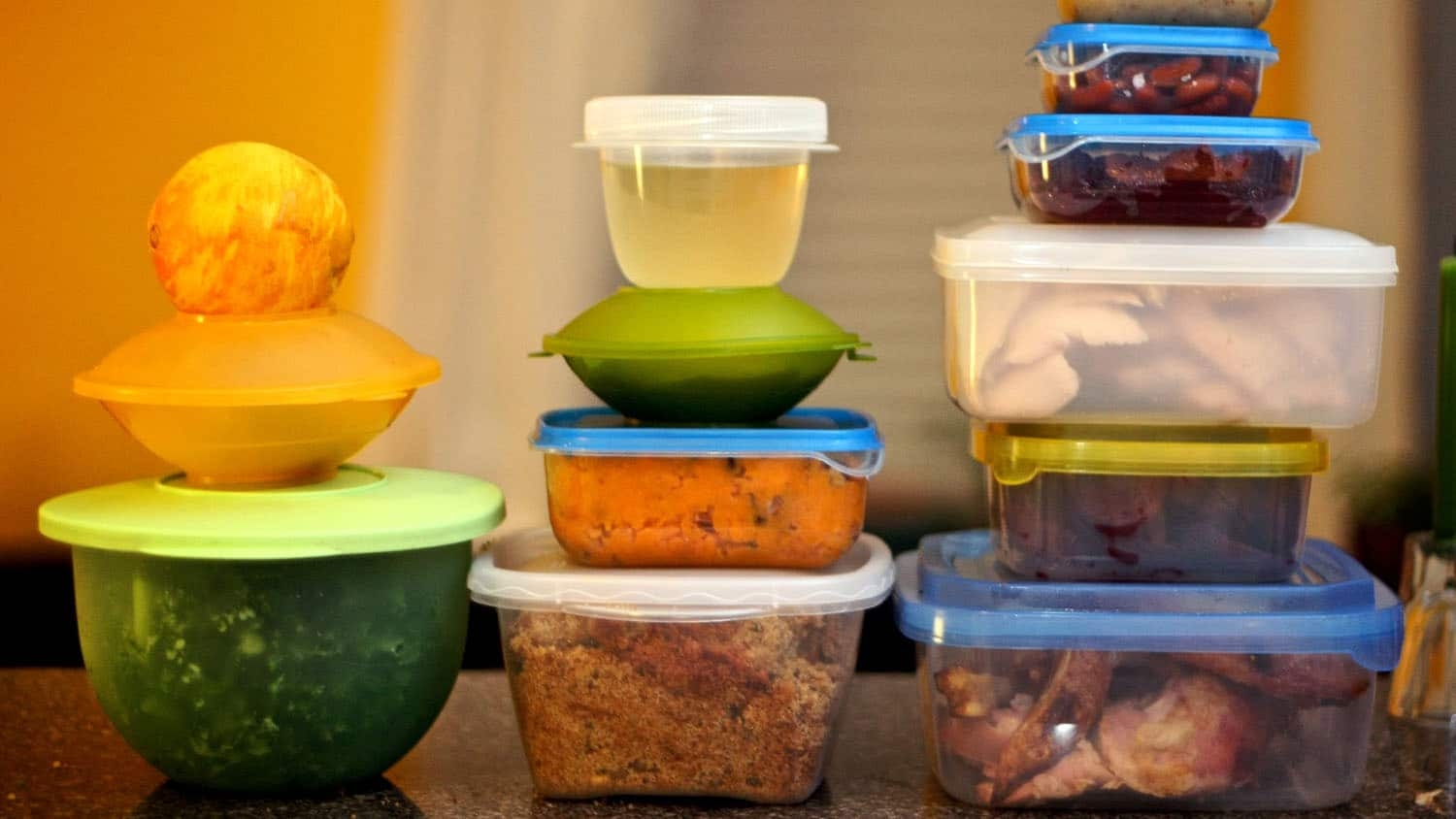
Why proper storage matters
Storing food the right way slows bacteria growth and keeps meals tasty. When food sits too long at room temperature, risks rise fast. The goal is to cool quickly, keep it covered, and reheat to a safe temperature. Think of it as giving your meals a small shield against spoilage.
Container choices that help
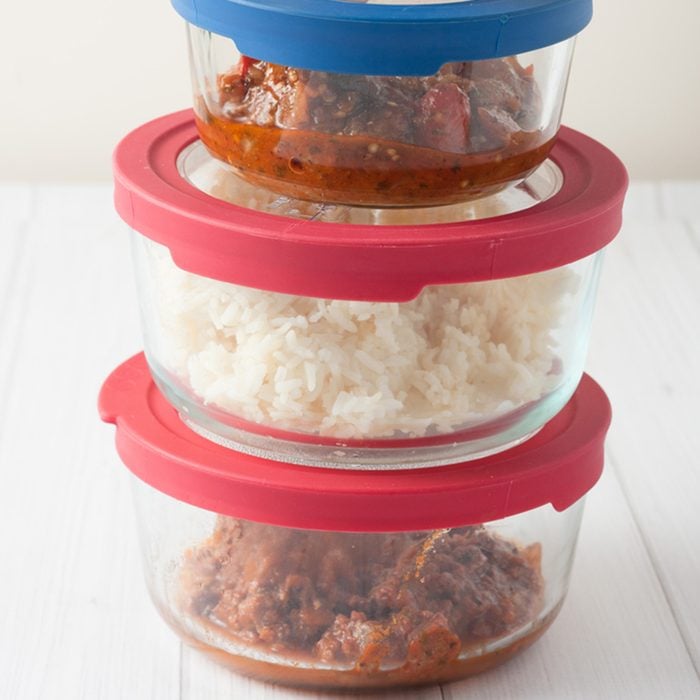
Pick containers that seal well and are easy to reheat. Here are common options and how they perform:
- Glass boxes with lids: Nonporous, microwave safe, and sturdy. Great for most meals.
- Plastic containers: Lightweight and stackable. Choose BPA-free versions for daily use.
- Reusable silicone bags: Flexible, good for sauces and oddly shaped portions.
- Freezer bags: Useful for flat storage and saving space in the freezer.
- Stainless steel containers: Durable and nonreactive, though not always microwave safe.
Avoid storing hot food in deep containers. Heat lingers in the middle and can encourage bacterial growth. Shallow pans cool faster and protect your food safety.
Portioning saves time and food
Portioning leftovers before they chill helps you use only what you need. It also speeds up cooling because smaller amounts lose heat faster. Try these simple portioning habits:
- Divide meals into single servings when you cook.
- Use snack sized containers for grab and go lunches.
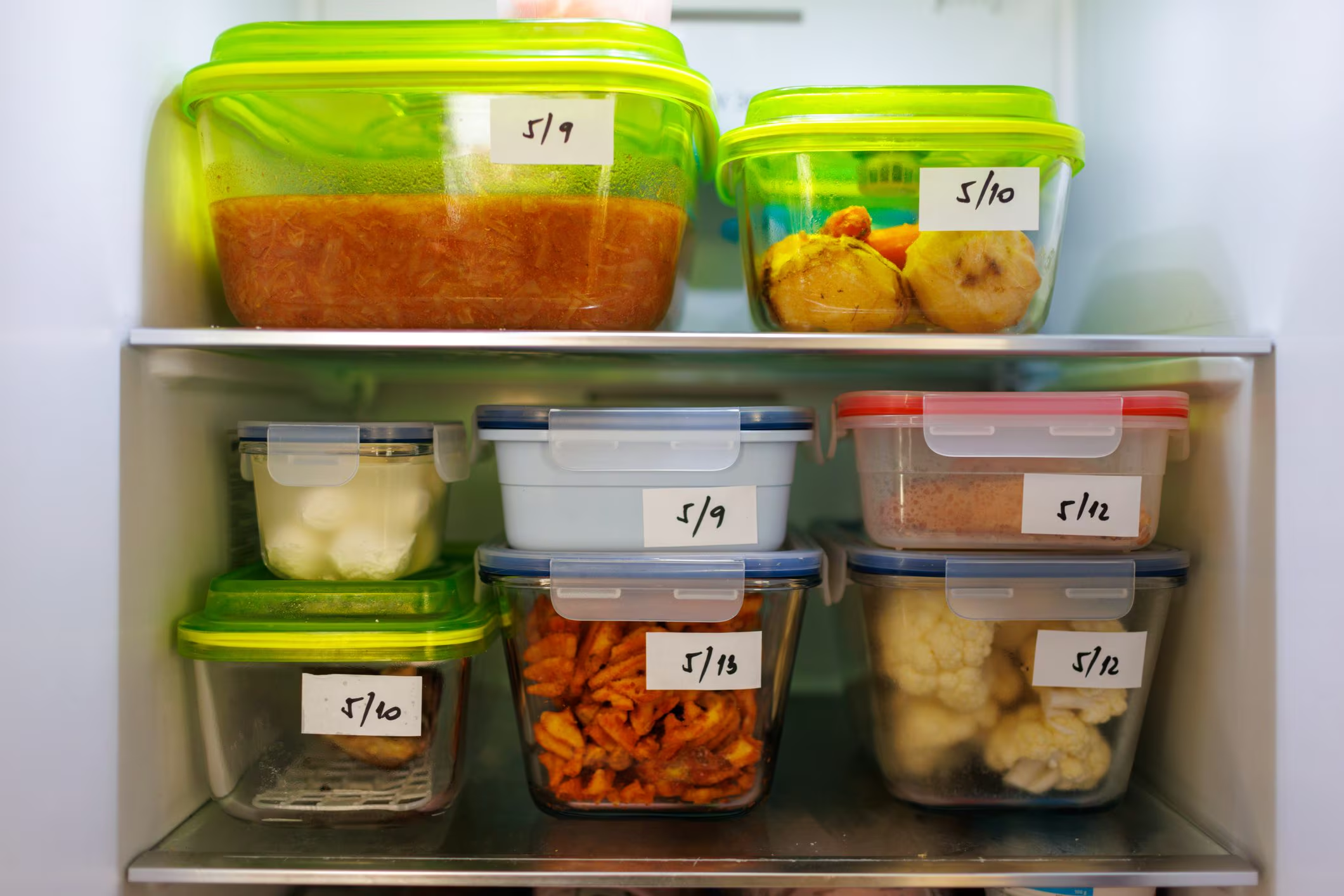
- Label containers with the date so you know when to eat them.
- Freeze portions you will not eat within three to four days.
Small steps like these reduce waste and make reheating more convenient. You are less likely to open the fridge and wonder what is inside.
Refrigeration rules to follow
Cold temperatures slow bacteria but they do not stop them. Keep your fridge at or below 4 degrees Celsius. Place leftovers on the upper shelves, away from raw meat juices. This simple move lowers cross contamination risks.
Do not overload the fridge. Air needs to move freely for consistent cooling. If you have large pots of soup or stew, split them into smaller containers. Let them sit for about 20 minutes, then move them to the fridge. Do not leave food out for more than two hours. In hot weather, reduce that window to one hour.
Reheating with care
Reheating is the last step before you eat, and it matters for food safety. Heat leftovers to at least 74 degrees Celsius. Stir food halfway through if you are using a microwave. This helps avoid cold spots where bacteria can survive.
Not all containers handle heat the same way. Transfer food to a microwave safe dish when needed. Sauces and soups should bubble gently to reach a safe temperature. If you are unsure, use a quick read thermometer.
Freezing for longer storage
When you freeze, portioning becomes even more helpful. Use freezer bags or containers with little air inside. Remove as much air as possible to limit freezer burn. Label each item with the name and date.
Frozen cooked meals are best used within two to three months for top quality. Reheat slowly and thoroughly. Thaw food in the fridge overnight instead of at room temperature. This keeps the texture safer and more predictable.
Common mistakes to avoid
Small habits can create big risks. Here are a few mistakes people often make:
- Letting leftovers sit out while watching TV or running errands.
- Using the same container for raw meat and cooked food without washing.
- Reheating food multiple times, which harms both safety and taste.
- Trusting appearance alone to judge spoilage, since some bacteria are invisible.
- Ignoring use by dates or storing food for too long in the fridge.
Form a simple routine. Cool, portion, seal, chill, and label. These steps protect your meals and your health.
Quick daily routine
Make food storage part of your cooking flow. After you finish eating, spend five minutes on these actions:
- Cool hot food on the counter for 20 minutes, then refrigerate.
- Divide leftovers into single portions.
- Seal containers tightly and write the date.
- Place them on a clear shelf in the fridge.
- Plan meals for the next few days so nothing is forgotten.
This routine supports food safety without taking much time. You will feel more confident about what is in your fridge.
Key Takeaways
- Store leftovers quickly and in shallow containers to cool faster.
- Use airtight, microwave safe containers like glass or BPA-free plastic.
- Portion meals to use only what you need and reduce waste.
- Keep your fridge at or below 4 degrees Celsius and avoid overpacking.
- Reheat food to at least 74 degrees Celsius and avoid multiple reheats.
FAQ
How long can I keep leftovers in the fridge?
Most cooked leftovers stay safe for three to four days when refrigerated at or below 4 degrees Celsius. After that, quality and safety decline. If you will not eat them in that window, freeze them.
Can I reheat food more than once?
It is best to reheat only once. Each round can change texture and raise safety risks. Portion meals in advance so you reheat just the amount you will eat.
Is it safe to use plastic containers in the microwave?
Choose containers labeled microwave safe. Avoid using damaged or warped plastic. When in doubt, transfer food to a glass or ceramic dish before reheating.
What temperature should my fridge be for leftovers?
Keep your fridge at or below 4 degrees Celsius. This slows bacterial growth and helps leftovers stay fresh longer.
How can I tell if leftovers have gone bad?
Look for off smells, slimy textures, or unusual discoloration. When unsure, throw it out. Food safety is more important than saving a small portion.
Can I freeze leftovers in takeout containers?
It is better to use airtight freezer bags or freezer safe containers. Takeout boxes may not seal well and can absorb odors. Portion food before freezing for easier thawing.
Conclusion
Knowing how to store leftover food helps you cut waste, protect food safety, and enjoy meals later. Simple steps like choosing the right container, portioning meals, and consistent refrigeration make a big difference. Use these habits every day, and your leftovers will stay fresh, tasty, and safe.
SEO Data
- Primary keyword: how to store leftover food
- Secondary keywords: container choices, refrigeration, reheating, portioning, food safety
- Readability: Flesch 80+, short sentences, active voice
- Keyword density: 0.8–1.5%
- Tone: professional, clear, actionable