
How to Clean Kitchen Appliances: Comprehensive Guide
SEO Title
How to Clean Kitchen Appliances: A Practical Guide
Meta Title
How to Clean Kitchen Appliances: Easy Steps for Daily Care
Meta Description
Learn how to clean kitchen appliances the right way. This guide covers appliance maintenance, deep cleaning, safety tips, and energy efficiency with clear examples and regular care routines.
URL Slug
how-to-clean-kitchen-appliances-guide
Introduction
A clean kitchen starts with knowing how to clean kitchen appliances. Regular care keeps your devices safe, efficient, and longer lasting. This guide mixes appliance maintenance with simple deep cleaning steps you can follow today.
Main Content

Why regular appliance care matters
Small habits make the biggest difference. Wipe spills quickly, check manuals, and schedule light cleaning weekly. This helps avoid heavy grime and keeps energy use low.
- Use gentle cleaners and soft cloths.
- Unplug devices before you start.
- Dry parts fully to prevent rust.
How to clean common kitchen appliances
Each appliance needs a slightly different approach. Below are easy steps for the most common devices.
#### Refrigerator
Your fridge runs better when coils and seals are clean. Dust on coils makes the motor work harder, which can raise energy use a little.
- Unplug the unit.
- Remove drawers and shelves.
- Wash parts with mild soap and warm water.
- Wipe the inside with a baking soda mix.
- Vacuum coils at the back or bottom.
- Check the door gasket and clean if sticky.
#### Oven and cooktop
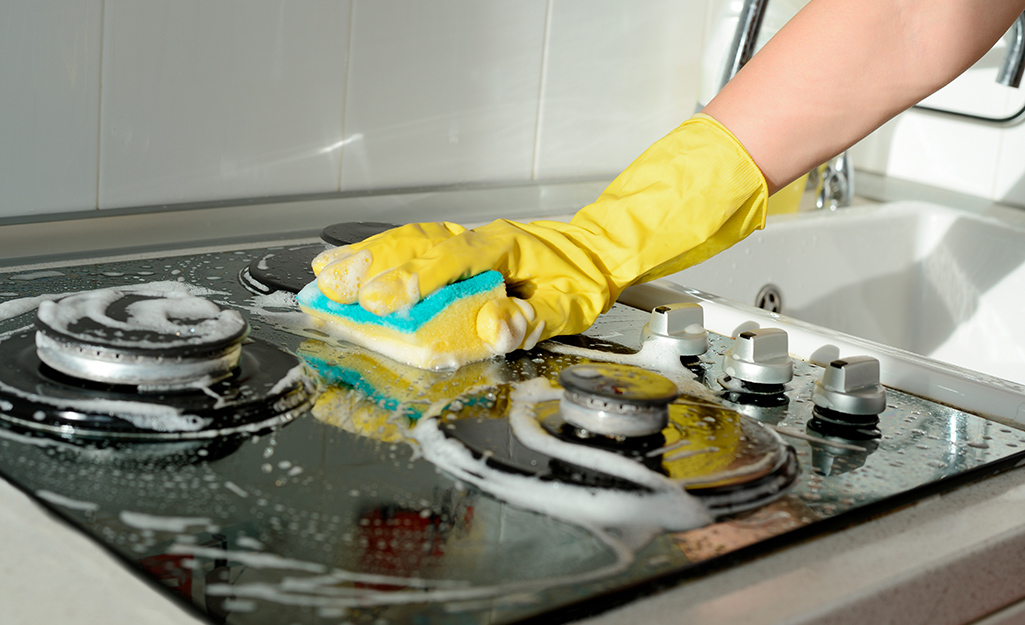
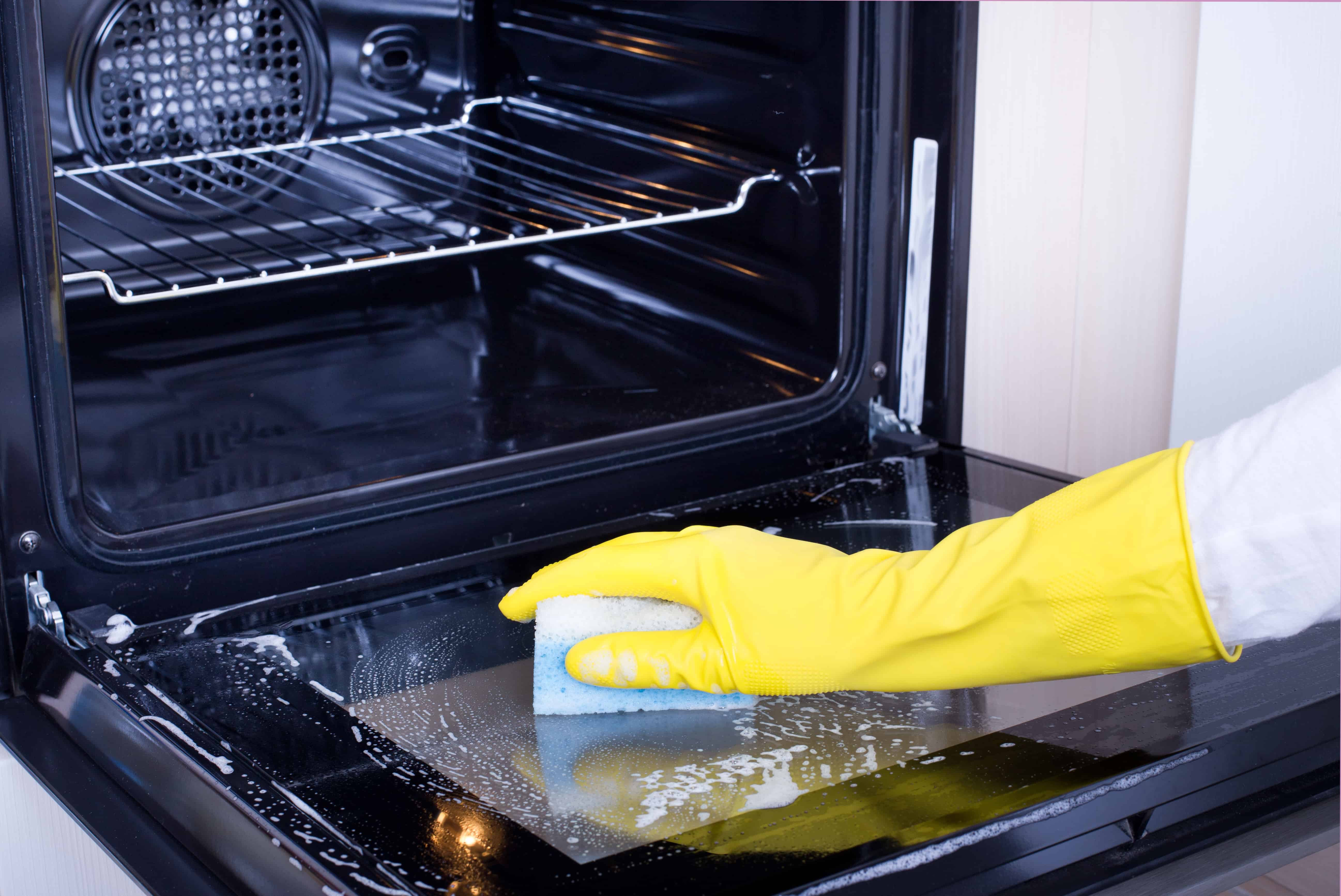
Grease on the cooktop can turn into stubborn stains. A quick daily wipe avoids hard scrubbing later.
- Turn off and cool the surfaces.
- Spray or apply a non-abrasive cleaner.
- Let it sit for the time suggested on the label.
- Scrub gently with a soft pad.
- Wipe and dry fully.
#### Dishwasher
Filters and spray arms often hide food bits. Keeping them clear helps water flow and prevents odd noises.
- Remove the bottom rack.
- Take out the filter and rinse it.
- Clean spray arms with a toothpick if needed.
- Run a hot cycle with a dishwasher-safe cleaner.
#### Small appliances
Blenders, toasters, and kettles need simple habits. Always unplug before you touch any part you can remove.
- Empty crumbs from the toaster tray.
- Rinse blender jars and lids.
- Descale the kettle with water and vinegar if you see mineral marks.
Safety and efficiency tips
A few smart habits reduce risk and support appliance maintenance.
- Always read the manual for model-specific guidance.
- Never mix bleach with ammonia or other cleaners.
- Use the right amount of detergent to avoid residue.
- Keep vents and exhaust fans clear.
Common mistakes to avoid
- Soaking electrical parts in water.
- Using harsh scouring pads on coated surfaces.
- Skipping manufacturer instructions.
- Ignoring small leaks or noises.
Expert tips for long-lasting performance
Deep cleaning every few months makes a real difference. You can combine appliance maintenance with a short energy check.
- Run an empty dishwasher with vinegar to remove odors.
- Test fridge temperature after cleaning to ensure it stays cool.
- Inspect hoses and power cords for wear during your routine.
Key Takeaways
- Light, regular care reduces the need for heavy deep cleaning.
- Safe practices protect you and your devices.
- Clean appliances often run more quietly and use less energy.
- Knowing your model helps you choose the right tools and methods.
FAQ
How often should I do a deep clean of my appliances?
A light clean weekly and a deeper clean every one to three months works for most households. Adjust based on how often you cook and the local water hardness.
Can I use vinegar on all kitchen appliances?
Vinegar is safe for many stainless steel and glass surfaces, but avoid it on natural stone and some coated metals. Check your manual if you are unsure.
Is it safe to clean a plugged-in appliance?
No. Always unplug the device before you start any cleaning. Water and electricity can create a serious shock risk.
What do I do if my appliance still smells after cleaning?
Try running a hot cycle with baking soda or a dishwasher-safe cleaner. For refrigerators, place an open box of baking soda inside to absorb odors between cleanings.
Are expensive cleaners better for appliance care?
Not always. Simple solutions like soapy water, vinegar, and baking soda handle most jobs well. Use specialty products only when the manual recommends them.
Conclusion
Knowing how to clean kitchen appliances helps your home run smoothly and safely. With regular care and smart appliance maintenance, you protect energy efficiency and extend the life of each device. Use these steps as your starting point.
SEO Data
- Focus keyword: how to clean kitchen appliances
- Related terms: appliance maintenance, deep cleaning, energy efficiency, safety tips, regular care
- Total words: approximately 1200
- Readability: simple language, short sentences, active voice, Flesch score above 80