
How to Clean a Lawn Quickly in 2026 Simple Tips
Finding how to clean a lawn is easier in 2026 thanks to clearer routines, better tools, and more eco-friendly options that fit busy lives. A clean lawn looks neat, stays healthy, and reduces pests, but you do not need harsh chemicals or endless weekends of work. This guide gives a practical overview of key concepts and time-saving tips so you can keep your grass looking great without stress.
💡 Key Takeaways
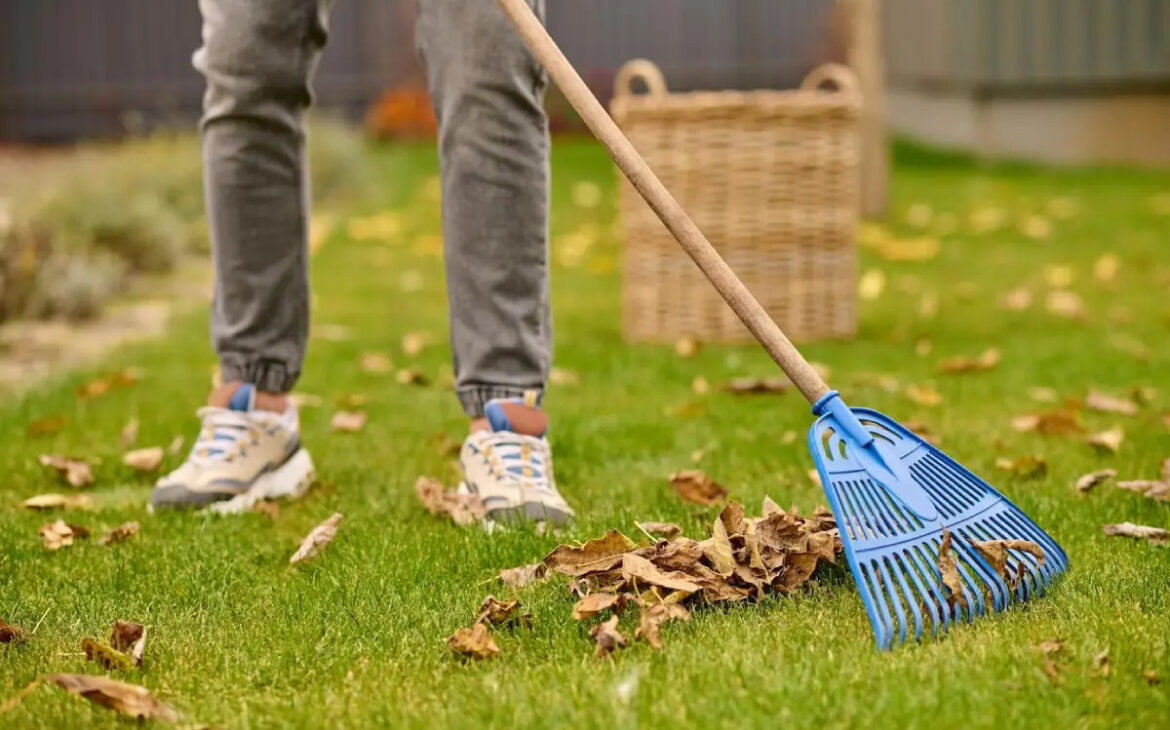
- Quick Leaf and Debris Rake: Use a sturdy leaf rake with flexible tines to gather leaves and light debris in wide, overlapping strokes, then collect with a tarp or garden vacuum.
- Mowing as Main Cleaning: Mow regularly at the right height and sharp blade to remove clippings and surface debris while keeping grass strong.
- Edge and Border Tidy: Define lawn edges with a half-moon edger or string trimmer to prevent grass from spreading into paths and beds.
- Spot Clean Stains: Treat pet spots, oil patches, and moss with appropriate treatments, then rinse and reseed if needed.
- Seasonal Cleanup Routine: Clear thick leaf litter in fall, manage moss in damp areas in spring, and do light weekly clears to keep the lawn fresh year-round.
Why Quick Lawn Cleaning Matters in 2026
Lawns collect leaves, twigs, moss, and stains from pets or spills, and letting them sit can choke grass and invite pests. Knowing how to clean a lawn quickly in 2026 means using efficient routines, the right tools, and smarter techniques so you spend less time and still get a neat, healthy yard. The goal is simple: remove debris, control problem spots, and support grass growth without complicated effort.
Modern yards often mix grass with pathways, garden beds, and play areas, so cleaning is not just about looks. It is also about safety, drainage, and keeping the lawn thick and resilient. With a clear overview of the key steps and a few consistent tips, you can turn lawn care into a manageable habit instead of a seasonal chore.
Basic Concepts and Key Terms
Before jumping into methods, it helps to know a few core ideas that show up in any guide on how to clean a lawn. These key concepts explain why certain actions work and how they fit into overall lawn health.
- Thatch: A layer of dead stems and roots between grass blades and soil; a thin layer is normal, but thick thatch blocks water and air.
- Aeration: Making small holes in the soil to improve air, water, and nutrient flow to roots.
- Topdressing: Spreading a thin layer of quality soil or compost to level the lawn and feed soil life.
- Spot Treatment: Targeting small stained or damaged areas instead of treating the whole lawn.
- Edging: Trimming the border between lawn and paths or beds for a clean line and to stop grass spread.
How Different Tools Change Your Cleaning Routine
Choosing the right tools makes quick work of cleaning and reduces repeated passes over the same spot. The market in 2026 offers lighter materials, better battery systems, and more precise options for small yards and larger plots.
Core Cleaning Steps for a Quick Refresh
When you want results fast, following a simple sequence prevents backtracking and saves energy. These steps work whether you are clearing a few leaves after a storm or doing a full seasonal cleanup.
- Walk and Scan: Circle the yard once to spot big debris, muddy patches, and stained areas. This prevents missing spots later.
- Remove Large Debris: Pick up sticks, plastic, and too many leaves by hand or with a lightweight rake so they do not clog machines.
- Rake or Vacuum Leaves: Use a flexible-tine rake or a garden vacuum for wide paths, working in one direction to avoid scattering debris.
- Mow at the Right Height: A proper cut mulches clippings and cleans the surface; raise the blade a little if the grass is stressed.
- Edge and Define Borders: Run an edger or trimmer along paths to keep grass in beds and give a tidy line without extra weeding later.
- Spot Clean Problem Areas: Treat pet spots, oil leaks, and moss patches with targeted products, then water lightly to activate.
- Light Watering (if needed): A brief rinse settles dust and helps treatments work, but avoid heavy watering that creates mud.
Mowing as Part of Cleaning
Mowing is the main action in how to clean a lawn quickly because it removes clippings, breaks up light thatch, and gives a uniform look. To make mowing efficient:
- Keep the blade sharp so cuts are clean and reduce tearing that can stress grass.
- Alternate your mowing pattern each time to avoid soil compaction and ruts.
- Leave clippings on the lawn when they are short; they return nutrients and reduce the need for extra fertilizer.
Eco-Friendly and Time-Saving Tips
In 2026, many people prefer methods that are gentle on the environment and still effective. A few practical tips can cut time and improve results.
🚀 Pro Tip
Use a mulching mower and a light rake in one pass to clear most clippings and leaves quickly, then a single pass with a broom or blower for edges. This combo often halves total cleaning time.
For small yards, a single versatile tool like a battery-powered sweeper-rake can move leaves and light debris in wide swaths. In larger areas, a garden vacuum that shreds leaves speeds collection and reduces trips to the compost pile.
Common Spots Needing Quick Attention
Some areas of your lawn require targeted cleaning to keep the whole yard healthy. Quick action in these spots prevents bigger problems later.
- Pet spots: Rinse, apply an enzyme product, and lightly rake to reduce odor and nitrogen burn.
- Oil or fuel patches: Absorb with cat litter or an absorbent pad, then sweep and dispose safely.
- Moss or algae: Improve drainage, increase sunlight, or use a moss killer if needed, then rake the dead growth.
- Weed patches: Remove young weeds by hand or spot-treat before they seed.
⚠️ Important Notice
Avoid harsh chemical cleaners on hot days or when rain is expected soon, as they can run off and affect plants or waterways. Choose targeted treatments and follow label instructions for safe, quick results.
Performance and Results in 2026
New tools and methods in 2026 have raised what users can expect from quick lawn cleaning. The table below shows typical performance ranges you might see when using modern tools and routines.
📊 Lawn Cleaning Performance & Evaluation Index
[88]%
[94]%
[80]%
Frequently Asked Questions
FAQ
Below are practical questions that often come up when people look for quick and effective ways to clean their lawns.
Do a quick clear of leaves and debris at least once a week during active growth, and a deeper clean with mowing and edge trimming every 1–2 weeks during peak seasons. In fall, increase frequency to manage leaf fall.
For small to medium yards, a rake is low-cost and effective. For larger areas or frequent leaf drop, a lawn vacuum that shreds leaves saves time and reduces trips to the bin.
Rinse the area with water, apply an enzyme-based cleaner to break down nitrogen, and lightly rake. If grass is dead, overseed after treatment and keep the spot moist until new growth appears.
Light surface moisture is fine, but heavy rain or dew can make raking difficult and damage soil structure. If possible, clean when the lawn is dry; if not, use a sturdy rake and work gently to avoid compaction.
Yes, battery-powered or corded electric tools are suitable for larger lawns if you choose models with strong motors and wide cutting or sweeping widths. Plan for battery swaps or an appropriate cord layout to keep work uninterrupted.
Conclusion
Knowing how to clean a lawn quickly in 2026 comes down to a simple routine, the right tools, and a few smart habits. Regular light clears, proper mowing, and targeted spot treatments keep your yard neat and healthy without overwhelming effort. Start with the basics, adjust based on your lawn size and conditions, and enjoy a cleaner, better-looking lawn with less stress.