How to Clean My Lawn Properly Like a Pro This Year
Cleaning your lawn properly is the secret to a green, healthy yard. This guide shows you how to remove leaves, dethatch, aerate, and mow the right way. Follow the steps, and your lawn will look amazing all year long.
Your lawn is more than just grass. It is a place where memories happen. Kids play on it. You relax on it. Pets run around on it. But a messy lawn is not fun for anyone. That is why learning how to clean my lawn properly matters so much. It keeps your yard safe, healthy, and beautiful.
Cleaning your lawn properly does more than boost its looks. It helps the grass itself grow strong. When you remove leaves and junk, sunlight reaches every blade. Water soaks into the soil better. Roots grow deeper and healthier. In this guide, you will learn simple, practical steps for a deep clean. You will also understand the difference between spring cleanup and fall cleanup. Plus, you will discover common mistakes to avoid and quick tips that make lawn care easier. Let’s get your yard looking its best.
- Clear debris first: Leaves, sticks, and trash block sunlight and trap moisture. Rake them away early.
- Dethatch when needed: Too much thatch keeps water and air from reaching the roots. Check the layer before you decide.
- Aerate compacted soil: Pulling small plugs from the ground helps roots grow deep and strong.
- Mow the right way: Use sharp blades and never cut more than one third of the grass at once.
- Clean twice a year: A good spring cleanup and fall cleanup keep your grass healthy through every season.
- Feed and water after cleaning: Freshly cleaned soil soaks up nutrients and moisture much better.
- Use the right tools: A solid rake, a sharp mower, and a trimmer handle most lawn care jobs.
📑 Table of Contents
Why Cleaning Your Lawn Properly Matters
Some folks think mowing is all the care a lawn needs. That is not true. Mowing keeps grass short. But it does not remove the stuff that hurts your lawn. Leftover leaves and lawn debris can cause big problems over time.
How Debris Hurts Your Grass
- Blocks sunlight. Grass needs sun to make food. A thick layer of leaves stops that process cold.
- Traps moisture. Wet piles cause mold and fungus. These diseases can kill whole patches of grass.
- Invites pests. Bugs and rodents love hiding in yard waste. Keeping things clear keeps them away.
- Hurts soil health. Heavy debris presses down on the ground. Compacted soil is very bad for roots.
A clean lawn is also much safer. Sticks and stones can damage your mower. Broken toys can hurt pets or kids. When you tidy up, you protect your whole family. You also stop small issues from turning into expensive problems later.
Most people give up because they try to do everything at once. Instead, break the work into smaller jobs. One weekend, focus on raking leaves. The next weekend, dethatch or aerate. Little wins add up fast. Your lawn stays healthy all season long.
Gather the Right Lawn Tools
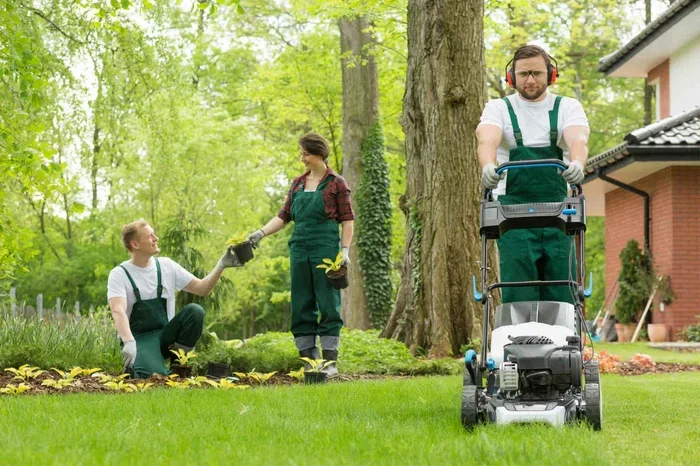
Do you have the right tools? You do not need a truck full of fancy gear. Start with these basics. They handle most lawn maintenance jobs with ease.
Visual guide about professional lawn care
Image source: mydecorative.com
- Leaf rake. Perfect for gathering leaves into neat piles.
- Garden rake. Stronger than a leaf rake. Great for twigs and small branches.
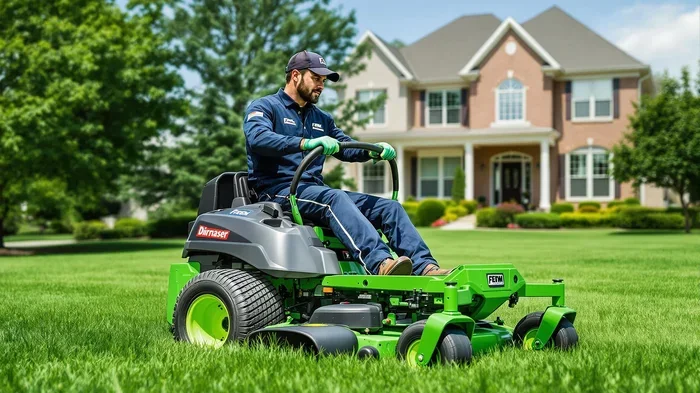
- Lawn mower. Keep the blade sharp for clean, even cuts.
- String trimmer. Ideal for edges and tight spots a mower cannot reach.
- Leaf blower. A huge time-saver for open yards and driveways.
- Work gloves. Protect your hands from blisters and sharp objects.
- Large bags or a compost bin. You need a spot for all the yard waste.
You may also want a dethatching rake and an aerator. We will cover both in the steps below. Start with what you already have. You can build your tool kit over time. Even basic lawn tools make a big difference.
How to Clean My Lawn Properly: Step by Step
Now comes the main event. Follow these steps in order. Each one makes the next step easier. Take your time and enjoy the work. The results are worth every minute.
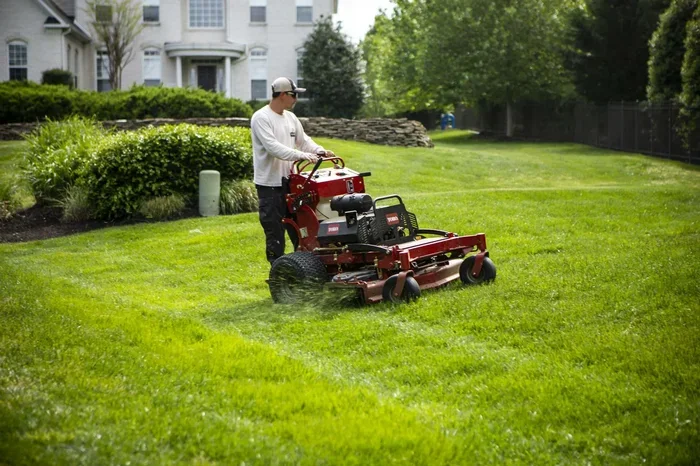
Visual guide about professional lawn care
Image source: kingstownelawn.com
Step 1: Pick Up the Big Stuff
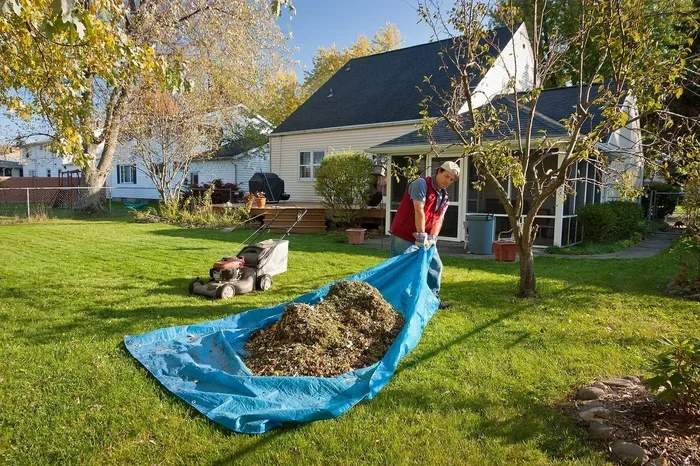
Walk around your yard first. Look for sticks, rocks, and toys. Remove anything that should not be there. This simple step protects your mower. It also makes raking much faster and easier.
Step 2: Rake or Blow Away Leaves
This is the big job. It is a major part of any spring cleanup or fall cleanup. Start from the edges and work toward the middle. Make small piles as you go. Then bag them up or add them to your compost pile.
Can you skip raking? If leaves are sparse, you can leave them. A thin layer of leaves and grass clippings feeds the soil as it breaks down. But keep it light. Too many leaves block sunlight and trap moisture.
Step 3: Dethatch the Lawn
Thatch is the layer of dead grass between the green blades and the soil. A little bit is normal, but a lot is a problem. If thatch gets too thick, your grass cannot breathe. That is when dethatching becomes necessary.
Here is a quick test. Pull up a small section of grass. Measure the brown, spongy layer at the base. If it is over half an inch thick, it is time to act. Rent a power dethatcher or use a special rake. It takes effort, but your grass will thank you.
Step 4: Aerate the Soil
Soil gets hard from foot traffic and heavy rain. When that happens, roots struggle to grow. Aerating fixes this problem. It pulls small plugs of soil out of the ground. This opens up space for air, water, and nutrients.
The best time to aerate is early spring or early fall. Grass grows fast during these seasons. It recovers quickly after the process. Your lawn will look fresh and feel healthier in no time.
Step 5: Mow Like a Pro
Now you are ready to mow. Use sharp blades for the best results. Dull blades tear the grass. Torn grass turns brown at the tips and dries out fast.
Never cut off more than one third of the grass height at once. Set your mower higher during summer. Taller grass keeps the soil cool and needs less water. Following simple lawn mowing tips like this will transform your yard.
Step 6: Edge and Trim
Edging gives your lawn a crisp, finished look. Use a string trimmer along sidewalks and flower beds. Trim carefully around trees and fence posts. Cut right up to the mower line. A clean edge makes the whole yard look neater.
Step 7: Feed and Water
Your lawn is clean, open, and ready. Now is the perfect time to feed it. Use a good lawn fertilizer and spread it evenly. Then water deeply. Deep watering helps roots grow down into the soil. This makes your lawn more drought-resistant and stronger.
Spring vs. Fall Lawn Cleanup
You should do a deep clean at least twice a year. Spring cleanup and fall cleanup are not the same. Each season has its own goals. Here is what you need to know.

Visual guide about professional lawn care
Image source: joeslawncare.co.uk
Spring: Wake Up Your Lawn
In spring, your lawn wakes up from winter. Remove dead leaves and matted grass. Check for thatch and dethatch if needed. Aerate to loosen the compacted soil. Then feed your lawn to give it a strong start.
Fall: Get Ready for Winter
In fall, your lawn prepares to rest. Rake leaves on a regular basis. Keep the grass slightly shorter as winter approaches. Add a light feeding to help the roots store energy. These simple steps make spring recovery much easier.
Either season is a great time to learn how to clean my lawn properly. The skills are the same. Only the timing changes. Do both, and your grass will stay healthy all year.
Even experienced homeowners make mistakes. But you can skip them. Here are the top lawn care errors. Avoid these, and your grass will stay strong and green.
- Raking wet leaves. Wet leaves are heavy and stick together. Wait for a dry day instead. It makes the job far easier.
- Scalping the grass. Cutting grass too low shocks the lawn. Weeds love weak, short grass. Keep a healthy height instead.
- Skipping the edges. Messy edges make a clean lawn look sloppy. Spend a few extra minutes on them each time.
- Ignoring the soil. Cleaning is not just about what you can see. The soil needs attention too. Aerate it regularly.
- Bagging every grass clipping. Clippings are natural food for your lawn. Leave short clippings right where they fall.
- Starting too late. In spring, clean early. The sooner you clear debris, the sooner your grass can grow and thrive.
A clean lawn takes more than one big cleaning session. It takes good habits. Try these simple lawn maintenance routines. They keep your yard looking great between deep cleans.
- Mow once a week during the growing season.
- Remove leaves as soon as they pile up in the fall.
- Water early in the morning to reduce disease risk.
- Fill bare spots with fresh grass seed right away.
- Use organic fertilizer when you can for better soil health.
- Keep your mower blade sharp. Replace it when it wears out.
Do not forget about weed control. Pull weeds by hand when you spot them. Doing this after rain makes it much easier. The roots come out clean, and weeds do not spread as fast.
Final Thoughts
So there you have it. Cleaning your lawn properly is simple when you follow a clear plan. Pick up debris. Rake leaves. Dethatch and aerate. Then mow, edge, feed, and water. Do this twice a year, and you will see amazing results.
Your lawn works hard to make your home look beautiful. Treat it well. A clean lawn is a healthy lawn. And a healthy lawn is something to be proud of. Now you know exactly how to clean my lawn properly in every season.
So grab your tools and get started today. You will be amazed at the difference. Your family will love the extra outdoor space. Your neighbors might even ask for your secret!
Frequently Asked Questions
1. How often should I clean my lawn?
You should do a full deep clean in spring and again in fall. That handles the heavy work. Between those times, keep up with simple tasks like raking leaves and regular mowing. A clean lawn is a year-round job.
2. Should I rake leaves or use a leaf blower?
Both methods work well. Raking is great exercise and works fine for small yards. A leaf blower saves time on larger lawns. You can also use a mower with a bag to collect leaves. Choose what fits your yard size and energy level.
3. What is dethatching and do I need it?
Dethatching removes the dead layer of grass between the soil and your green blades. If this layer is thicker than half an inch, it blocks water and air from reaching the roots. Use a dethatching rake or rent a power machine to clear it out.
4. When is the best time to aerate my lawn?
Early spring and early fall are the best times to aerate. Grass grows fast during these seasons and heals quickly after aeration. Avoid aerating during hot summer months or when the ground is frozen.
5. Can I compost grass clippings and leaves?
Yes, absolutely. Grass clippings and dry leaves make excellent compost. Mix them together for the best results. You will get rich, dark soil for your garden beds. It is a smart way to reuse yard waste instead of throwing it away.
6. Does cleaning my lawn help prevent weeds?
Yes, it does. When you remove leaves and lawn debris, weeds have fewer places to grow. A clean, thick lawn also blocks weed seeds from reaching the soil. Pulling weeds early stops them from spreading. Good lawn care is your best weed control.