
How to Clean Kitchen Cabinets: Deep Cleaning Guide
How to Clean Kitchen Cabinets: A Simple Guide
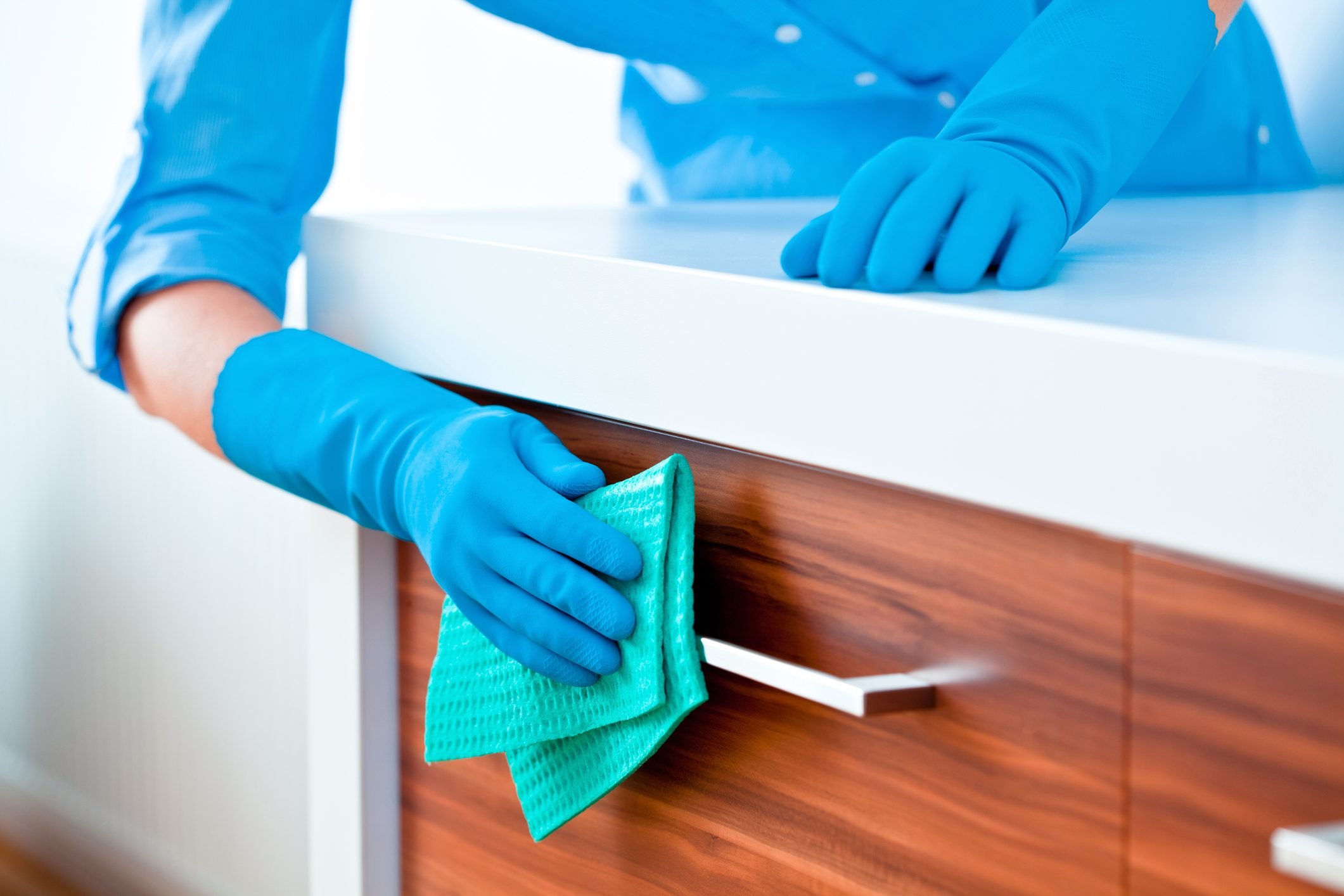
How to Clean Kitchen Cabinets: Simple Steps for Lasting Shine
Learn safe ways to clean kitchen cabinets. Natural methods, gentle materials, and smart organization keep them looking new.
kitchen-cleaning-cabinets
A messy kitchen can feel overwhelming, but clean cabinets change everything. They look better, cook more safely, and help you find what you need fast. This guide shows gentle ways to clean kitchen cabinets using natural cleaners and steady maintenance. You will get clear steps for different cabinet materials and common dirt removal challenges.
Understand Your Cabinet Materials First
Before you start to clean kitchen cabinets, check what they are made of. Different surfaces need different care, or you can scratch or dull them. Knowing cabinet materials helps you choose the right cleaner and cloth.
- Solid wood: Use a soft, damp cloth and a mild soap mix. Dry right away.
- Laminate: Wipe gently with warm water and a light cleaner. Avoid harsh scrubbing.
- Painted wood: Test first in a hidden spot. Use a soft sponge and mild solution.
- Metal or glass fronts: Clean with a glass-safe or metal-friendly formula to avoid streaks.
If you are unsure, mix a few drops of dish soap with warm water. This gentle mix works for many surfaces and supports natural cleaners when used lightly.
Create a Simple Cleaning Routine
A short routine makes it easy to keep cabinets looking fresh. You do not need strong products to get great results. Follow these steps to clean kitchen cabinets safely and effectively.
- Clear the top and shelves. Take out items and wipe them separately.
- Dust with a soft cloth or microfiber towel. This removes loose crumbs and pet hair.
- Wipe with a damp cloth and mild soap. Use light pressure and move in the wood grain.
- Rinse and dry. Use a clean, damp cloth with fresh water, then dry fully to avoid moisture damage.
- Check handles and hinges. Tighten screws and polish handles to keep them smooth.
Using natural cleaners like diluted vinegar or baking soda paste helps cut grime without harsh smells. Just remember to test on a small area first.
Tackle Common Stains and Dirt Removal
Grease, fingerprints, and sticky spots often build up on kitchen cabinets. For dirt removal, choose methods that lift the mess without harming the finish. A gentle cleaner made for your cabinet materials works best in most cases.
- Grease marks: Mix a bit of baking soda with water to form a soft paste. Apply, rub lightly, and wipe clean.
- Water rings: Test a small spot first. Then use a paste of baking soda and non-gel toothpaste, or try a bit of mayonnaise on a soft cloth.
- Crayon or pencil: Rub with a soft eraser or a cloth dampened with rubbing alcohol. Wipe right after.
- Smudges and fingerprints: A mix of equal parts water and white vinegar in a spray bottle works well. Spray lightly, wipe, and dry.
Always move in the direction of the wood or laminate grain. Harsh scrubbing can leave dull patches or fine scratches.
Organize and Maintain for Long-Lasting Results
Good organization and steady maintenance help your cabinets stay cleaner longer. When items have a home, you open and close doors less often, and spills happen less. Simple habits protect your surfaces and keep the cleaning process easy.
- Use trays or bins on shelves to corbel small items.
- Place a light mat on top shelves to catch dust.
- Wipe spills right away with a soft, damp cloth.
- Check door alignment so hinges do not strain the frame.
- Do a quick wipe-down once a week instead of a big job once a year.
These small actions support your cabinet materials and reduce the need for heavy cleaning later. You spend less time scrubbing and more time enjoying your kitchen.
Avoid Common Cleaning Mistakes
Some habits can hurt your cabinets more than help them. By learning from these mistakes, you protect finishes and keep your kitchen safe. A gentle approach with natural cleaners usually gives the best long-term results.
- Using too much water: Wet cloths and sprays can seep into edges and cause swelling.
- Picking harsh chemicals: Bleach and strong solvents can strip color and finish.
- Skipping the test spot: Always check a hidden area first.
- Rubbing in circles: Follow the grain to avoid swirl marks.
- Ignoring hardware: Clean and tighten handles and knobs regularly.
If a method leaves a film or dull look, switch to a lighter solution. Your cabinets will thank you with a brighter, more even shine.
Expert Tips for Lasting Shine
Professional cleaners keep kitchen cabinets looking new with simple, repeatable habits. You can use these ideas at home with tools you already have. Focus on gentle care, smart organization, and consistent maintenance for the best outcome when you clean kitchen cabinets.
- Use microfiber cloths instead of paper towels to reduce lint.
- Try a small spray bottle for controlled application of natural cleaners.
- Condition wood lightly with a furniture polish designed for kitchen use, but do not overdo it.
- Protect surfaces with coasters and placemats to limit direct contact with hot or wet items.
- Schedule a short seasonal check to tighten hardware and refresh cleaning methods.
Small, regular efforts make future deep cleans faster and easier. You keep your cabinets in top shape without harsh work or risky products.
Key Takeaways
- Always test cleaners in a hidden spot and use gentle, cabinet-friendly products.
- Follow the grain when wiping to prevent scratches and swirl marks.
- Natural cleaners like diluted soap or vinegar work well for many messes.
- Consistent organization and light weekly care reduce heavy cleaning later.
- Different cabinet materials need specific care, so check surfaces before you start.
Frequently Asked Questions
Q1: Can I use vinegar to clean kitchen cabinets?
Yes, you can use vinegar for many surfaces, but dilute it with water and test first. Some finishes may react poorly, especially on painted or untreated wood.
Q2: How often should I clean my kitchen cabinets?
Wipe them weekly with a soft, damp cloth. Do a deeper clean every few months or when you notice grease and grime buildup.
Q3: What do you clean kitchen cabinets with that is natural?
Simple natural cleaners include mild dish soap, diluted white vinegar, or a baking soda paste. These work well for dirt removal without harsh chemicals.
Q4: Should I remove cabinet doors to clean them?
For deep cleaning, removing doors can help you reach corners and hinges. For regular cleaning, keep doors in place and wipe surfaces carefully.
Q5: How do I remove greasy fingerprints from cabinets?
Use a mix of water and vinegar, or a soft cloth with a little baking soda paste. Wipe with the grain and dry fully.
Q6: Can I use magic erasers on cabinets?
Use them sparingly and only on durable surfaces. Test first in a hidden spot to be sure they do not damage the finish.
Q7: How do I protect my cabinets after cleaning?
Use coasters, placemats, and timely spill cleanup. A light coat of appropriate furniture conditioner can also help some wood surfaces.
Conclusion
Clean kitchen cabinets make your cooking space feel calmer and more welcoming. With the right methods for each cabinet materials, gentle natural cleaners, and steady maintenance, you can keep them looking great year after year. Simple habits in organization and dirt removal make every clean easier and protect your investment. Start with small steps, stay consistent, and enjoy a kitchen that looks and works its best.