
How to Clean Kitchen Sinks: Thorough Cleaning Guide
SEO Title
How to Clean Kitchen Sinks: Materials, Stains, Drain Care
Meta Title
How to Clean Kitchen Sinks: A Practical Guide
Meta Description
Learn how to clean kitchen sinks the right way. Explore sink materials, safe disinfecting methods, stain removal, drain care, and maintenance tips.
URL Slug
how-to-clean-kitchen-sinks
Introduction
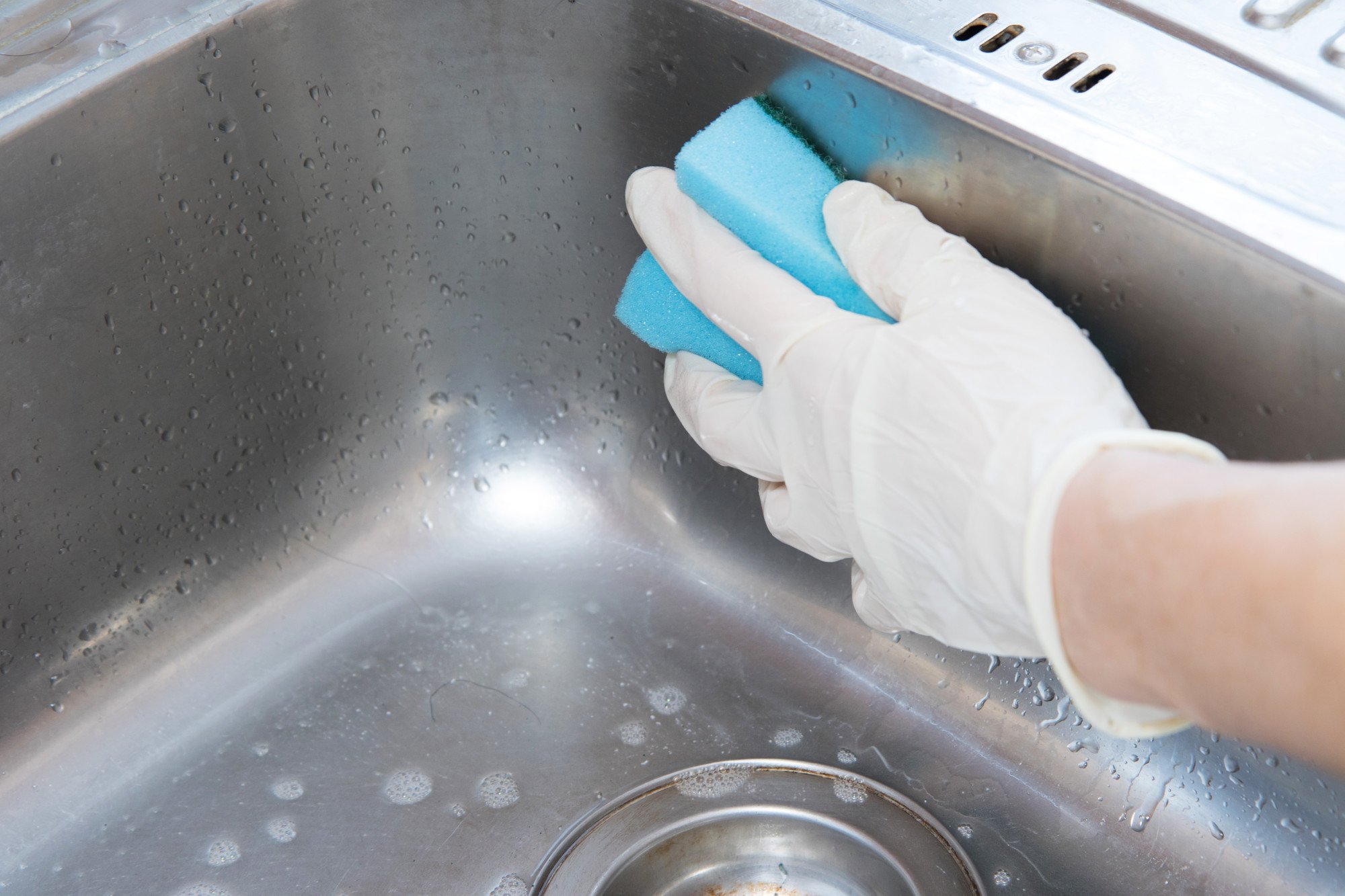
A clean kitchen sink is the foundation of a tidy kitchen. Many people ask how to clean kitchen sinks without damaging surfaces or leaving streaks. This guide walks you through materials, disinfecting, stain removal, drain care, and simple maintenance steps.
Main Content
Understanding Different Sink Materials
Not all sinks respond to the same cleaners. Harsh products can etch, discolor, or dull finishes. Knowing your sink materials helps you choose safe, effective methods.
- Stainless steel: Resists stains but can show water spots and fingerprints.
- Porcelain enamel: Durable, but abrasive cleaners can chip the glaze.
- Fireclay: Very durable, yet acidic cleaners can damage the surface.
- Composite quartz: Non-porous, but some abrasives may scratch over time.
- Solid surface (e.g., Corian): Seamless and stain-resistant, yet still needs gentle care.
Always check the manufacturer’s guidance. A simple test: apply a small amount of cleaner to an inconspicuous spot and wait a few minutes before wiping.
How to Disinfect Safely
Disinfecting reduces germs without wearing down surfaces. For many sinks, a mild solution works best.
- Use a mix of one part water to one part white vinegar, or a gentle kitchen detergent.
- For tougher jobs, choose a disinfectant labeled safe for your sink materials.
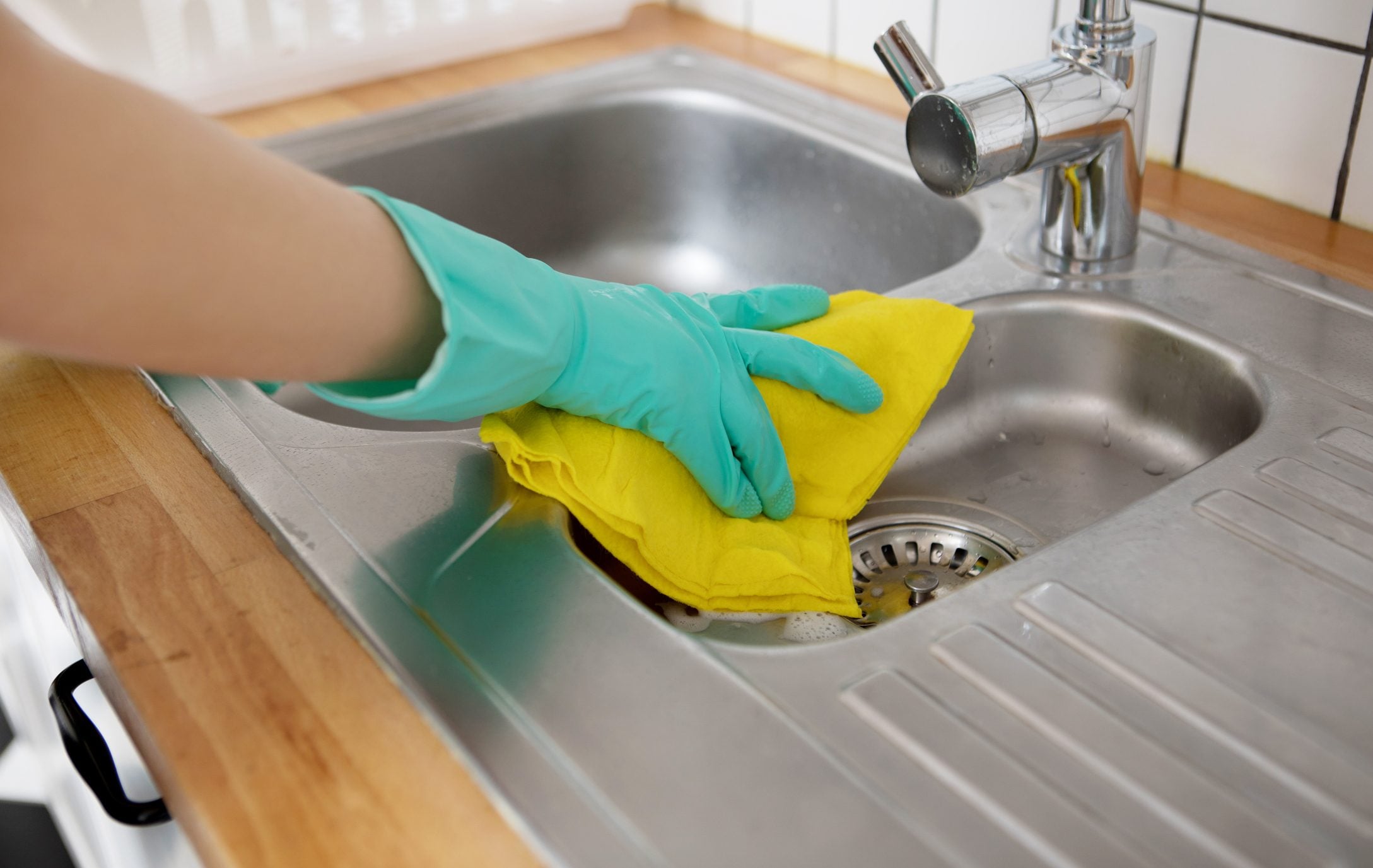
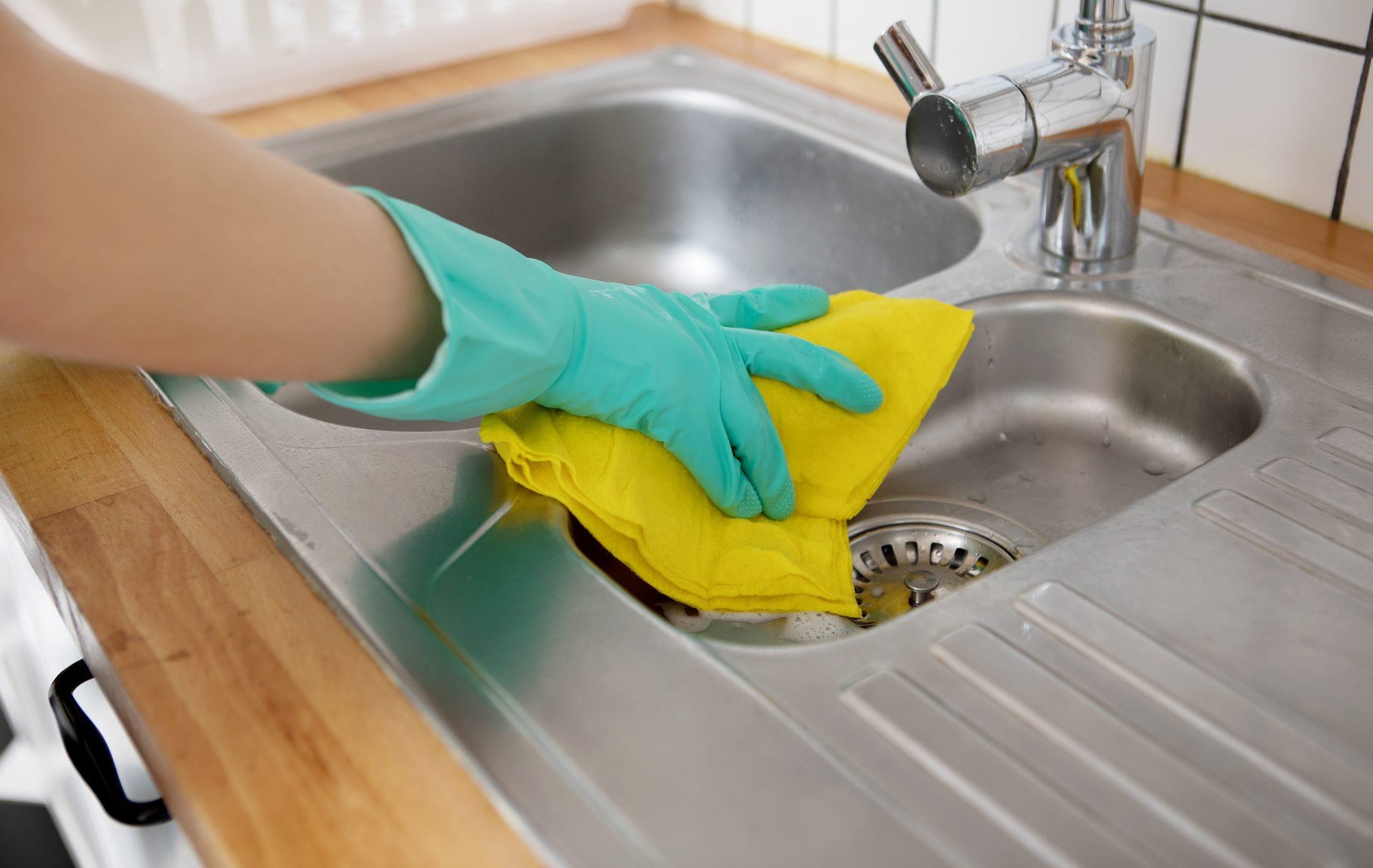
- Apply with a soft cloth or sponge, let it sit as directed, then rinse and dry.
A common mistake is leaving strong bleach solutions on metal sinks too long. This can cause discoloration. Rinse thoroughly and dry to prevent water spots.
Removing Common Stains and Spots
Stains often form from coffee, tea, wine, or metal marks from pans. Quick action makes removal easier.
- Baking soda paste: Mix baking soda with a little water. Apply to the stain, gently rub, and rinse.
- Hydrogen peroxide: Good for stubborn stains on non-porous surfaces. Apply, wait a few minutes, then wipe.
- Bar Keepers Friend or similar mild acid cleaners: Effective on rust and hard water spots on stainless steel. Use sparingly and rinse well.
For everyday splashes, a soft sponge with dish soap and warm water is often enough.
Caring for Drains and Preventing Clogs
Drain care is part of overall sink hygiene. A clean drain reduces odors and backups.
- Run hot water after each use to clear debris.
- Avoid pouring grease, oil, or coffee grounds down the drain.
- Use a strainer to catch food particles and empty it daily.
- Flush the drain weekly with hot water and a bit of baking soda.
If odors persist, a mix of baking soda and vinegar followed by hot water can help clear mild buildup. For deep blockages, a plumber’s snake or professional help may be needed.
Simple Maintenance Habits
Regular care reduces heavy cleaning sessions and protects your investment.
- Wipe up spills promptly to prevent staining.
- Dry stainless steel sinks after use to avoid water spots.
- Clean the faucet and handles along with the basin.
- Do a deeper clean once a week, focusing on corners and the drain area.
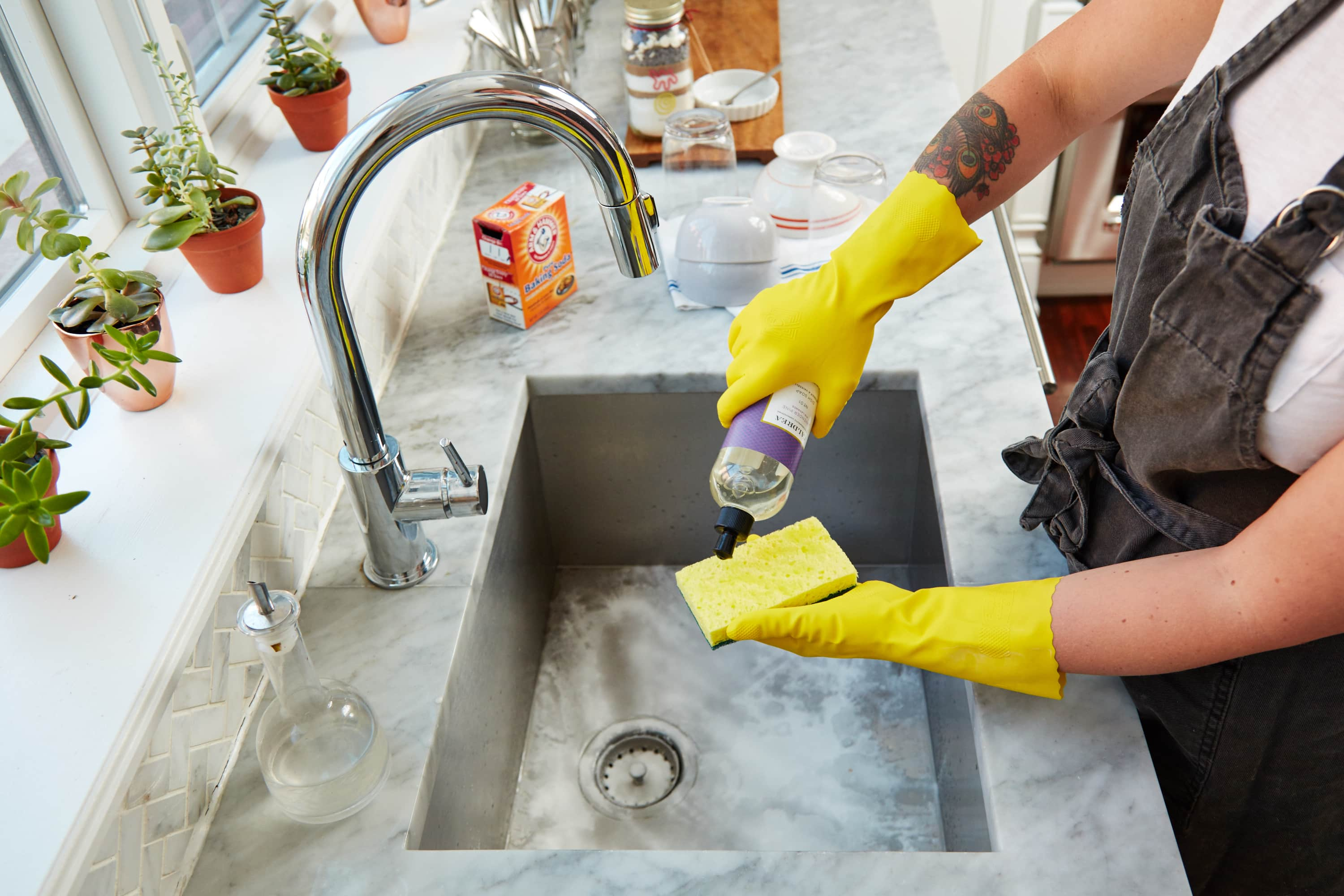
Keep a small caddy with your everyday supplies: dish soap, a soft sponge, microfiber cloth, and baking soda.
Common Mistakes to Avoid
- Using harsh scouring powders on polished surfaces.
- Leaving bleach or acidic cleaners sitting too long.
- Ignoring the drain until a clog appears.
- Using steel wool on sinks that show wear, as it can create fine scratches.
Choose tools and products that match your sink materials, and always rinse and dry after cleaning.
Key Takeaways
- Match your cleaning method to your sink materials to avoid damage.
- Gentle disinfecting with vinegar or proper kitchen disinfectants keeps surfaces hygienic.
- Address stains early with mild options like baking soda or targeted cleaners.
- Drain care and quick daily habits prevent clogs and odors.
- A light weekly routine keeps major jobs from piling up.
FAQ
How often should I clean my kitchen sink?
A quick wipe after each use and a deeper clean once a week works well. Increase frequency during heavy cooking.
Can I use bleach on my sink?
Yes, but only if your sink material allows it. Dilute it, avoid long contact, and rinse thoroughly. Check manufacturer guidance first.
What do you do about hard water stains?
Try a mild acid cleaner like Bar Keepers Friend on metal surfaces, or a vinegar solution for other materials. Rinse and dry well.
How can I stop odors from my drain?
Regular flushing with hot water, avoiding fats and food scraps, and a weekly baking soda and vinegar rinse help reduce smells.
Is it okay to use a scouring pad?
Use only on durable, stained sinks, and avoid on polished or coated surfaces. Opt for a soft sponge for everyday cleaning.
Conclusion
Learning how to clean kitchen sinks the right way protects your surfaces, reduces odors, and keeps your kitchen welcoming. With the right approach for sink materials, disinfecting, stain removal, and drain care, maintenance becomes simple and effective.
SEO Data
- Primary keyword: how to clean kitchen sinks
- Secondary keywords: sink materials, disinfecting, stain removal, drain care, maintenance
- Readability: Flesch 80+, short sentences, active voice
- Keyword density: 0.8–1.5%
- Tone: professional, clear, actionable