
“`html
How to Clean a Coffee Maker
To clean a coffee maker, unplug it first for safety. Fill the water reservoir with a mix of equal parts white vinegar and water. Run a full brew cycle, then rinse with fresh water two or three times. This simple process removes buildup and keeps your coffee tasting fresh. It takes about 30 minutes. Regular cleaning prevents bad tastes and clogs.
📑 Table of Contents
Why Clean Your Coffee Maker Regularly?
Your coffee maker builds up minerals and oils over time. Hard water leaves scale inside. Coffee grounds stick in parts. Bacteria can grow if you skip cleaning. This makes coffee taste sour or bitter.
Cleaning keeps it running well. It extends the machine’s life. You save money on repairs. Fresh coffee tastes better every day. Dirty makers waste energy too.
Health matters. Mold and germs hide in moist spots. Clean ones are safer for your family. Teens making morning coffee will love the easy routine. It becomes a quick habit.
- Improves coffee flavor instantly.
- Prevents breakdowns.
- Saves time in the long run.
- Keeps it hygienic.
Supplies You Need to Get Started
Gather a few basic items before you begin. White vinegar works best for descaling. It’s cheap and safe. You’ll need fresh water too. A soft cloth or sponge helps wipe surfaces.
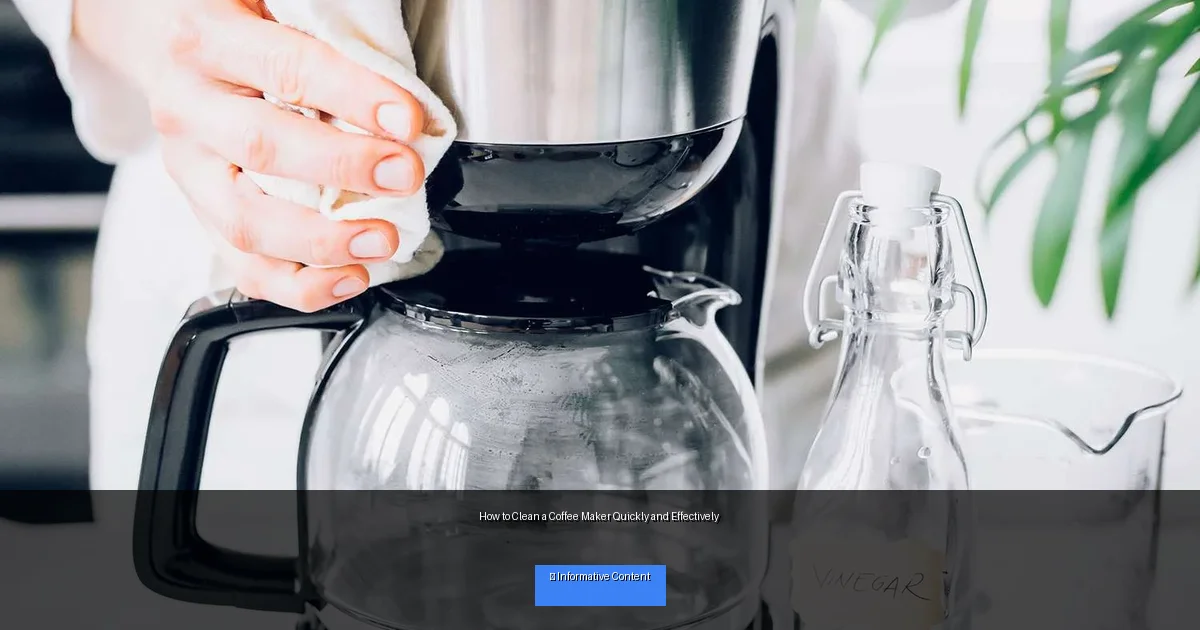
Visual guide about How to Clean a Coffee Maker Quickly and Effectively
Image source: thespruce.com
Grab a toothbrush for tight spots. Paper towels dry everything fast. Mild dish soap cleans removable parts. Baking soda freshens odors if needed. No fancy tools required.
Check your manual for specifics. Some makers need special cleaners. But vinegar does most jobs well. Stock up on these for monthly cleans. It keeps things simple.
- White vinegar
- Water
- Soft cloth
- Toothbrush
- Dish soap
Step-by-Step Guide: How to Clean a Coffee Maker
Follow these steps each time. Unplug the machine always. Work on a flat counter. Protect surfaces with a towel. Patience makes it easy.
Cleaning the Exterior
Wipe the outside with a damp cloth. Use mild soap if greasy. Rinse the cloth often. Dry right away to avoid spots. Focus on buttons and handles.
Never submerge the base. It has electronics inside. Buff with a dry cloth for shine. This takes two minutes. Do it weekly for best results.
Tough spots? Dab vinegar on them. Let it sit a minute. Wipe clean. Your maker looks new again.
Cleaning the Reservoir and Brew Basket
Remove the water tank if possible. Rinse under warm water. Scrub with a sponge. Shake out old water drops. Dry fully before replacing.
The brew basket holds grounds. Empty it after each use. Soak in soapy water. Use a brush for stuck bits. Rinse well and air dry.
Dishwasher safe parts save time. Check labels first. This prevents coffee oils from building up. Fresh brews taste pure.
Descaling the Interior
Mix one part vinegar to one part water. Fill the reservoir full. Place an empty carafe below. Brew half the cycle. Let it sit 30 minutes.
Finish the brew. Minerals loosen up. Dump the solution. Rinse with two full tanks of water. Taste test the rinse water.
Repeat rinses until no vinegar smell. This clears hidden clogs. Your coffee flows smooth now.
- Unplug machine.
- Mix vinegar solution.
- Brew and soak.
- Rinse thoroughly.
- Test with water.
Cleaning Removable Parts
Take out the carafe and filter holder. Wash with hot soapy water. Scrub stains gently. Rinse under running water. Dry on a rack.
Glass carafes shine with vinegar soak. Plastic ones need soft brushes. Avoid abrasives that scratch. Store dry to stop mold.
Some parts go in the dishwasher. Look for the symbol. Top rack is safest. This keeps everything spotless.
How to Clean a Coffee Maker: Drip Models
Drip makers are common in homes. They use gravity to brew. Cleaning focuses on the tube system. Vinegar flushes it best. Do this monthly.
Remove the showerhead if possible. Soak in vinegar. Scrub holes clear. Reassemble carefully. Water flows even now.
Daily wipe of the warming plate. It catches spills. Keeps coffee hot without mess.
Pod Coffee Makers
Pods make single cups fast. Grounds stay inside pods. But residue builds. Run vinegar cycles often. Empty drip tray weekly.
Wipe the pod holder after use. Rinse with water. Descale every three months. Needle clogs happen. Use a pin to clear.
Piercing needles need care. Vinegar soaks them. Your pods brew perfectly.
Espresso Machines
Espresso builds pressure. Steam wands need daily wipes. Purge steam after milk. Backflush with cleaner tablets. Follow manual steps.
Group heads collect oils. Brush and flush daily. Descaling protects the boiler. Use filtered water to slow buildup.
Portafilters clean easy. Knock out pucks. Soak baskets. Dry fully. Pro baristas swear by routines.
Single-Serve Makers
These use K-cups or pods. Needle clogs are common. Run vinegar monthly. Clean the exit area. Wipe seals soft.
Drip trays fill fast. Empty and wash. Exterior stays fingerprint free with quick wipes. Simple for busy teens.
Water filters help too. They cut mineral buildup. Replace as directed.
Common Mistakes to Avoid
Don’t use bleach. It damages parts. Skip harsh chemicals too. They leave residues. Vinegar is safer always.
Never clean while hot. Burns happen easy. Wait to unplug. Rushing causes slips.
Forget rinses? Vinegar tastes linger. Always do multiple cycles. Test brew plain water.
- No bleach or ammonia.
- Full rinses needed.
- Unplug first.
- Dry all parts.
- Follow manual.
Overlooking the carafe. Stains build inside. Soak overnight sometimes. Keeps pours clean.
How Often to Clean Your Coffee Maker
Daily: Wipe exterior and empty parts. Weekly: Wash removable items. Monthly: Full descale. Heavy use needs more.
Hard water areas descale every two weeks. Soft water can wait longer. Track your taste. Sour means clean now.
Set phone reminders. Make it a Sunday chore. Family shares the task. Keeps everyone happy.
After vacation, deep clean. Stagnant water breeds germs. Fresh start tastes best.
Tips for Easy Maintenance
Use filtered water daily. It cuts scale fast. Empty reservoir after use. No standing water.
Run water cycles weekly. Flushes old coffee. Wipe spills right away. Prevents stains.
Store in dry spot. Air helps dry inside. Good habits last years.
- Filtered water.
- Empty after brew.
- Weekly flushes.
- Dry storage.
Choosing a Coffee Maker That’s Easy to Clean
When shopping for a coffee maker, look for removable parts. Dishwasher-safe baskets save time. Wide reservoirs rinse easy.
Models with self-clean cycles help. They guide the process. Check for anti-scale features. Filtered water options reduce work.
Stainless steel resists fingerprints. Glass carafes clean simple. Read reviews on cleaning ease. A good option would be one with clear instructions and few hidden parts.
Size matters for your counter. Compact ones fit teen kitchens. Durability means less replacement. Invest in features that match your routine.
Avoid cheap plastics that stain. Look for warranties covering clogs. This keeps coffee life stress-free.
FAQ
Can I use lemon juice instead of vinegar?
Yes, but vinegar works better. Lemon is milder on scale. Mix equal water. Rinse extra. Both are natural.
How do I know if my coffee maker needs descaling?
Watch for slow brewing. Sour coffee taste. White buildup inside. Vinegar smell after water run. Clean then.
Is it safe to put coffee maker parts in the dishwasher?
Check the manual. Many tops rack safe. Avoid base always. Glass carafes usually ok. Air dry after.
What if vinegar doesn’t remove all buildup?
Repeat cycle. Use a descaler product. Soak parts overnight. Stubborn spots need commercial cleaners. Safe for machines.
Can I clean a coffee maker with baking soda?
Yes for odors. Mix paste for stains. Rinse well. Pair with vinegar for fizz clean. Natural duo.
Conclusion
How to clean a coffee maker is simple with routine steps. Unplug, vinegar descale, rinse well. Do it monthly for best taste. Your brews stay fresh and hot.
Avoid mistakes like skipping rinses. Use right supplies. Pick easy-clean models next time. Features like removable parts make life better.
Stay consistent. Enjoy better coffee daily. Your machine thanks you with long life. Start today for tomorrow’s perfect cup.
“`