

How to Clean a Coffee Maker
To clean a coffee maker, fill the reservoir with a mix of water and white vinegar. Run a brew cycle. Rinse with fresh water after.
This simple process removes buildup and keeps your coffee tasting fresh.
You can do it in under an hour.
📑 Table of Contents
- Why Clean Your Coffee Maker Often
- How Often Should You Clean It
- Gather Your Cleaning Supplies
- Cleaning Pod Coffee Makers
- Cleaning Espresso Machines
- Deep Cleaning for Heavy Buildup
- Common Mistakes to Avoid
- When to Replace Parts or the Machine
- Maintenance Tips for Long Life
- Eco-Friendly Cleaning Options
- Health Benefits of a Clean Machine
- Cost Savings from Cleaning
- Choosing the Right Vinegar
- Pro Tips from Coffee Lovers
- FAQ
- Conclusion
Why Clean Your Coffee Maker Often
Coffee makers build up minerals and oils over time. This makes coffee taste bad. Regular cleaning fixes that.
Hard water leaves scale inside. Coffee oils stick to parts. Both harm flavor and machine life.
Clean every month for best results. Daily use means more frequent checks.
How Often Should You Clean It
Use it daily? Clean monthly. Less often? Every two months works.
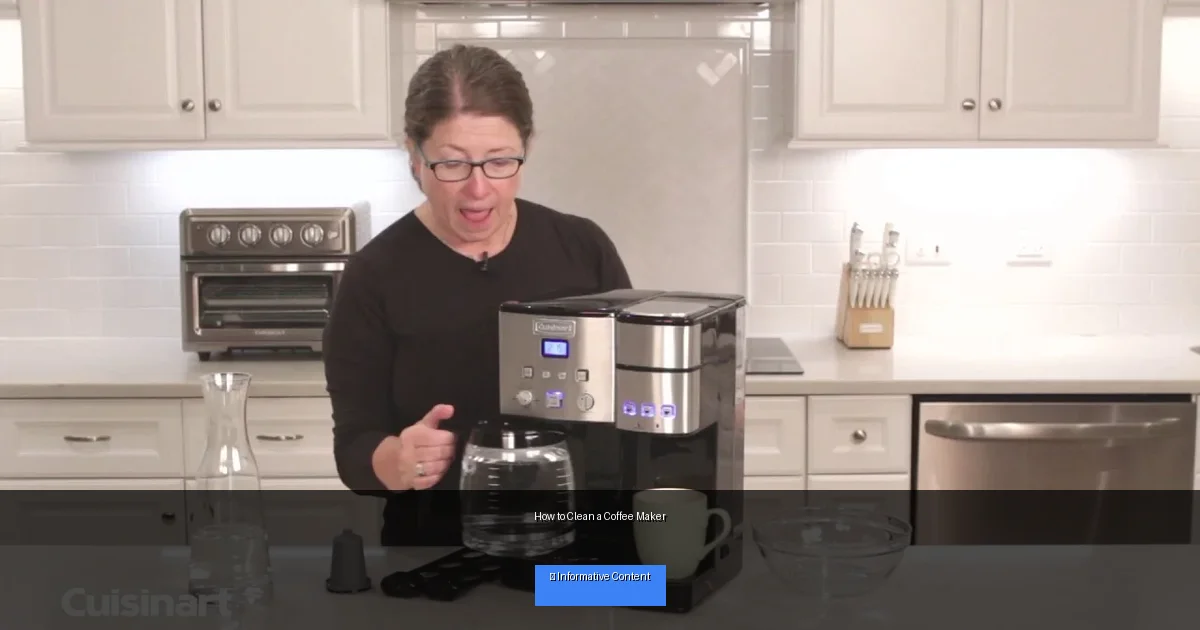
Visual guide about coffee maker cleaning
Image source: i.ytimg.com
Check for signs like slow brewing or bad taste. Clean right away if you see them.
Set a reminder on your phone. It keeps things easy.
Gather Your Cleaning Supplies
You need white vinegar. It’s cheap and works great. Pick high quality vinegar for best results.
Get fresh water too. A soft cloth helps wipe parts. Dish soap for removable pieces.
- White vinegar
- Water
- Microfiber cloth
- Old toothbrush
- Dish soap
These items cost little. You likely have most at home.
Step-by-Step Guide: How to Clean a Coffee Maker
Start with an empty machine. Unplug it first. Safety comes first.
This guide fits most drip models. Adjust for your type later.
Prepare the Vinegar Solution
Mix equal parts vinegar and water. One cup each fills small reservoirs.
Use undiluted vinegar for tough buildup. Test on a small area first.
Vinegar descaling dissolves minerals fast. It’s natural and safe.
Run the First Brew Cycle
Fill the reservoir with your mix. Place an empty carafe below.
Turn on the machine. Let it brew fully. No coffee grounds needed.
Vinegar smell is normal. It goes away after rinsing.
Let It Soak
Turn off the machine. Wait 30 minutes. This breaks down scale.
For heavy buildup, soak overnight. Check progress after 30 minutes.
Soaking works deep inside tubes and heaters.
Rinse Thoroughly
Empty the carafe. Fill with fresh water. Run two full cycles.
Taste the water after. It should not taste like vinegar.
Repeat if needed. Clean water is key.
Clean Removable Parts
Remove the carafe and basket. Wash with warm soapy water.
Use a toothbrush for crevices. Rinse well and air dry.
Wipe the exterior with a damp cloth. Avoid harsh cleaners.
Vinegar Descaling: The Best Method
Vinegar descaling beats chemical cleaners. It’s eco-friendly and cheap.
White vinegar has acetic acid. It eats away limescale without harm.
Choose high quality distilled vinegar. It has no additives.
Why Vinegar Over Other Cleaners
Chemical descalers can leave residue. Vinegar rinses clean.
It’s safe for all food parts. No toxic fumes either.
Save money long-term. One bottle lasts months.
Tips for Effective Vinegar Descaling
Heat the mix first for tough jobs. Warm vinegar works faster.
Add lemon juice for extra power. It fights oils well.
Do it monthly to prevent buildup. Prevention beats cure.
Cleaning Pod Coffee Makers
Pod machines like Keurig need care too. Vinegar works here as well.
Remove the pod holder. Clean it separately.
Steps for Pod Machines
- Empty the drip tray.
- Fill with vinegar mix.
- Run brew cycles without pods.
- Rinse three times.
- Clean the needle with a pin.
Descale every three months. Pods add unique buildup.
Pod Holder Deep Clean
Soak in vinegar overnight. Scrub gently.
Dry fully before reuse. Mold loves wet parts.
Look for machines with easy-remove parts. They clean faster.
Cleaning Espresso Machines
Espresso makers have more parts. Focus on the group head and portafilter.
Vinegar still shines here. Use for the boiler.
Basic Espresso Clean
- Backflush with cleaner.
- Run vinegar descaling cycle.
- Wipe steam wand after each use.
- Rinse all lines.
Clean daily for pros. Home users do weekly.
Portafilter and Baskets
Soak in hot soapy water. Use a brush for holes.
Dry upside down. Prevent rust.
Pick high quality brushes. They last longer.
Deep Cleaning for Heavy Buildup
Severe scale needs extra steps. Do this yearly.
Disassemble what you can. Soak all in vinegar.
Tools for Deep Clean
- Descaling solution (vinegar base)
- Pipe cleaners
- Compressed air
Blow out tubes gently. Wear gloves for safety.
Test brew after. Ensure full flow.
Common Mistakes to Avoid
Skipping rinses leaves vinegar taste. Always do multiple cycles.
Using tap water adds minerals back. Filtered water is better.
Forcing parts can break them. Be gentle.
More Pitfalls
Not unplugging first risks shocks. Always unplug.
Ignoring the carafe leads to bacteria. Clean it often.
Overusing cleaners harms seals. Stick to vinegar.
When to Replace Parts or the Machine
Cracked carafes mean leaks. Replace right away.
Slow brewing signals worn pumps. Check warranty first.
Signs It’s Time for New
- Leaks everywhere
- No heat
- Constant bad taste
When shopping, look for easy-clean designs. Removable tanks help.
A good option is one with auto-descale alerts. Saves hassle.
Maintenance Tips for Long Life
Use filtered water daily. It cuts mineral buildup.
Empty excess water after use. Stagnant water breeds germs.
Wipe spills fast. They stain fast.
Daily Quick Checks
- Rinse basket
- Wipe exterior
- Empty tray
These take seconds. They prevent big cleans.
Eco-Friendly Cleaning Options
Vinegar is green. Reuse brew water for plants.
Baking soda scrubs parts. It’s natural too.
Skip plastics. Use glass carafes.
Health Benefits of a Clean Machine
Clean brewers mean better taste. No bitter notes.
Less bacteria keeps you healthy. Mold risks drop.
Fresh coffee boosts your day.
Cost Savings from Cleaning
Cleaning extends machine life. Replacements cost hundreds.
Vinegar is pennies per use. Chemicals cost more.
Save on coffee too. Clean machines extract better.
How to Clean a Coffee Maker with Baking Soda
Baking soda fights oils. Mix with water for paste.
Scrub baskets and carafes. Rinse well.
Pair with vinegar for full power.
Choosing the Right Vinegar
White distilled is best. Apple cider works but colors.
Go for high quality organic if possible. Pure strength matters.
Store in cool dark spot. It lasts years.
Pro Tips from Coffee Lovers
Run a coffee brew after cleaning. Clears any taste.
Freeze vinegar cubes for easy dosing. Handy trick.
Share your routine with friends. Keeps everyone brewing great.
FAQ
Can I use apple cider vinegar?
Yes, but white is better. It avoids stains.
Dilute it the same way.
How long does descaling take?
About 45 minutes. Plus soak time.
Plan ahead.
Is vinegar safe for all machines?
Most yes. Check manual for pod types.
Avoid on aluminum parts.
What if my coffee tastes like vinegar after?
Run more water cycles. Five if needed.
Brew plain water first.
Can I clean with just water?
No. It won’t remove scale.
Vinegar is essential.
How do I clean the water filter?
Replace every six months. Soak in vinegar first.
Follow model instructions.
Does hard water make it worse?
Yes. Use softener or filter.
Clean more often.
Conclusion
Now you know how to clean a coffee maker the right way. Regular care keeps coffee perfect.
Use vinegar descaling with high quality supplies. Avoid mistakes for best results.
Your machine will thank you with great brews. Start today for fresh coffee tomorrow.