
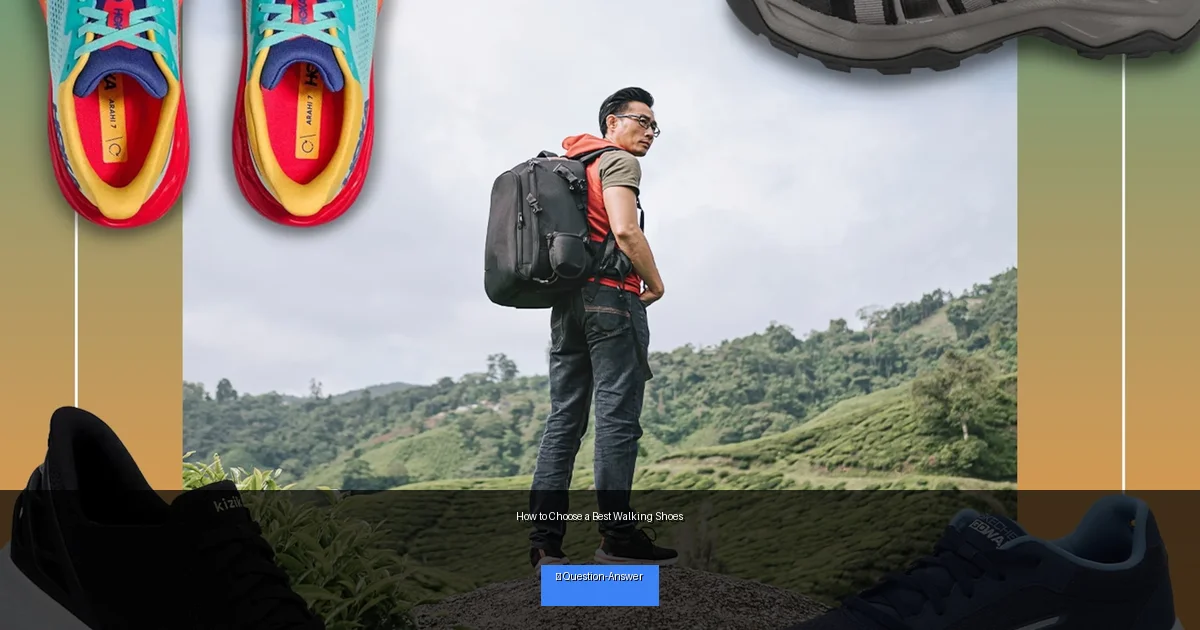
Featured image for
Image source: i.natgeofe.com
Choosing the best walking shoes starts with understanding your foot type, needs, and fit. This guide answers essential questions to help you find shoes that prevent blisters, reduce pain, and boost your daily walks. Get walking confidently today!
📑 Table of Contents
- What makes walking shoes different from running shoes?
- How do I know my foot type before buying walking shoes?
- What features define the best walking shoes?
- How to ensure the perfect fit for walking shoes?
- How much should you spend on the best walking shoes?
- How to maintain your walking shoes for longevity?
What makes walking shoes different from running shoes?
Walking shoes focus on stability and cushioning for heel-to-toe motion. Running shoes have more flex for forward propulsion. Pick walking shoes if you stroll daily—they last longer on pavement.
Running shoes often feel too cushy for walks, leading to foot fatigue. Walking models have firmer midsoles. For example, Brooks Ghost excels for walking with its supportive arch.
Always check the label. Brands like New Balance label “walking” clearly. Test in-store: walk, don’t run.
How do I know my foot type before buying walking shoes?
Foot type matters for support. Wet your feet, step on paper. Flat print? Flat feet. Curved outer edge? High arches. Middle curve? Neutral.
Why test this?
Flat feet need stability shoes to avoid overpronation. High arches crave cushioning. Neutral feet suit versatile pairs. Visit a running store for gait analysis—free often.
Example: Asics Gel-Kayano for flat feet. Hoka One One Bondi for high arches. Wrong type causes shin splints. Retest yearly as feet change.
What features define the best walking shoes?
Look for cushioning, arch support, breathable mesh uppers, and flexible soles. Heel counters prevent slippage. Wide toe boxes let toes splay naturally.
Cushioning absorbs shock—EVA foam or gel works best. Test bounce: press midsole. Breathability fights sweat; nylon mesh shines here.
- Support: Built-in arch for long walks.
- Grip: Rubber outsoles for wet paths.
- Weight: Lightweight under 10 ounces per shoe.
Practical tip: Skechers Go Walk series offers all this at budget prices. Prioritize needs—cushion if you have joint pain.
How to ensure the perfect fit for walking shoes?
Size up half from dress shoes—feet swell 0.5 during walks. Shop late afternoon. Wear walking socks.
Thumb-width space at toes. No heel slip; secure midfoot. Wiggle toes freely. Try both shoes—feet differ.
Brands vary: Nike runs narrow, Altra wide. Use Brannock device in stores. Online? Check return policies like Zappos’ free returns.
How much should you spend on the best walking shoes?
$80-$150 hits the sweet spot. Under $50 skimps on durability. Over $200? Luxury not needed for most.
Budget picks like Skechers last 300-500 miles. Premium like Saucony Guide offer better tech. Rotate two pairs to extend life.
Shop sales at REI or Dick’s. Read reviews on Amazon for real wear tests.
How to maintain your walking shoes for longevity?
Air dry after rain. Rotate pairs weekly. Clean with mild soap. Replace every 300-500 miles.
Store upright, away from heat. Check for sole wear or compressed cushioning. Fresh shoes prevent injuries.
Example: Log miles with apps like Strava to track replacement time.
In summary, choose best walking shoes by matching foot type, fit, and features to your walks. Test in-store, prioritize comfort, and maintain well. You’ll walk pain-free for miles. Happy strolling!