
Best Air Purifiers Buying Guide
Hey there, if you’ve ever woken up with a stuffy nose or felt that lingering dust in the air, you know how frustrating indoor air can get. That’s why I put together this guide on air purifiers. Clean air isn’t just a luxury—it’s a game-changer for your health, sleep, and peace of mind. Whether you’re battling allergies, pet dander, or city smog, the right air purifier can make your home feel fresh again.
In this guide, you’ll learn everything from key factors to watch for, like room size and filter types, to common pitfalls that trip up buyers. We’ll break down types, budgets, and even pro tips I’ve picked up from years of testing these machines. By the end, you’ll feel confident picking the best air purifier for your space—no more guessing games.
The air purifier market is booming right now. Options range from budget-friendly basics under $100 to high-tech smart units over $500. Brands like Levoit, Coway, and Dyson lead the pack, but with so many choices, it’s easy to get overwhelmed. Stick with me, and we’ll sort through the noise together.

What to Look for When Buying Air Purifiers
1. Room Size and CADR Rating
Picture this: You buy a great air purifier, plug it in, and it barely makes a dent in your living room air. That’s because most units are sized for specific room volumes. Always check the Clean Air Delivery Rate, or CADR—it’s the gold standard for performance. CADR measures how quickly a purifier clears smoke, dust, and pollen from the air in cubic feet per minute.
Why it matters? A unit with a 200 CADR is ideal for 300-400 square feet. For smaller bedrooms (under 200 sq ft), aim for 100-150 CADR. I once overlooked this and ended up with a weak performer in my open-plan kitchen. Pro advice: Match CADR to 2/3 of your room size for multiple air changes per hour. Look for AHAM-verified ratings—they’re lab-tested and reliable.
2. Filtration Technology
Filters are the heart of any air purifier. HEPA filters trap 99.97% of particles as small as 0.3 microns—that’s dust, pollen, mold, and even some viruses. True HEPA is even stricter, often medical-grade. Activated carbon handles odors and gases, like cooking smells or smoke.
What to look for? Multi-stage systems: pre-filter for large particles, HEPA for fine stuff, and carbon for smells. Avoid cheap “HEPA-type” filters—they’re often just marketing fluff. In my tests, combo filters shone in pet-heavy homes, zapping dander and litter box whiffs fast.
3. Noise Levels
Nothing kills a good night’s sleep like a humming machine. Noise is measured in decibels (dB)—whisper-quiet is under 30 dB on low, like a library. Turbo modes might hit 50 dB, similar to light rain.
Why care? Bedrooms demand silence. I swapped a loud budget model for a quieter one and slept like a baby. Check specs for low-speed dB, and read reviews for real-world quietness. Sleep modes or night lights are bonuses.
4. Filter Replacement Costs and Lifespan
Upfront price is tempting, but filters add up. A good HEPA filter lasts 6-12 months and costs $20-80. Some brands lock you into pricey proprietary ones—avoid those.
Do the math: If filters run $50 yearly and last a year, that’s your true cost. In one year, I spent $120 on replacements for a “cheap” unit. Seek washable pre-filters to stretch life. Indicator lights for changes are a must.
5. Energy Efficiency
Air purifiers run 24/7, so power draw matters. Look for Energy Star certification—top models use under 50 watts on high. That’s pennies per day.
A friend ran a power-hungry unit non-stop and saw bills spike. Efficient ones like those with DC motors save 30-50% energy. Check wattage in specs and calculate: Watts x 24 hours x days / 1000 = kWh cost.
6. Smart Features and Controls
Modern purifiers connect via apps for air quality monitoring, auto modes, and scheduling. Sensors detect PM2.5 particles and adjust fan speed.
Great for forgetful folks like me. Voice control with Alexa or Google? Handy. But basics work fine if you’re tech-shy. Weigh if extras justify the premium.
7. Build Quality and Portability
Sturdy plastic or metal lasts years. Wheels and handles make moving easy for renters or multi-room use.
I’ve dropped units—cheap ones cracked. Look for stable bases and intuitive buttons. Compact designs fit apartments; towers suit living rooms.
8. Warranty, Brand Reputation, and Support
A 2-5 year warranty signals confidence. Brands like Coway or Blueair have stellar reps for reliability.
Customer service? Test via chat pre-buy. I called support on a dud—great service turned it around. Read recent reviews on Amazon or Wirecutter for trends.
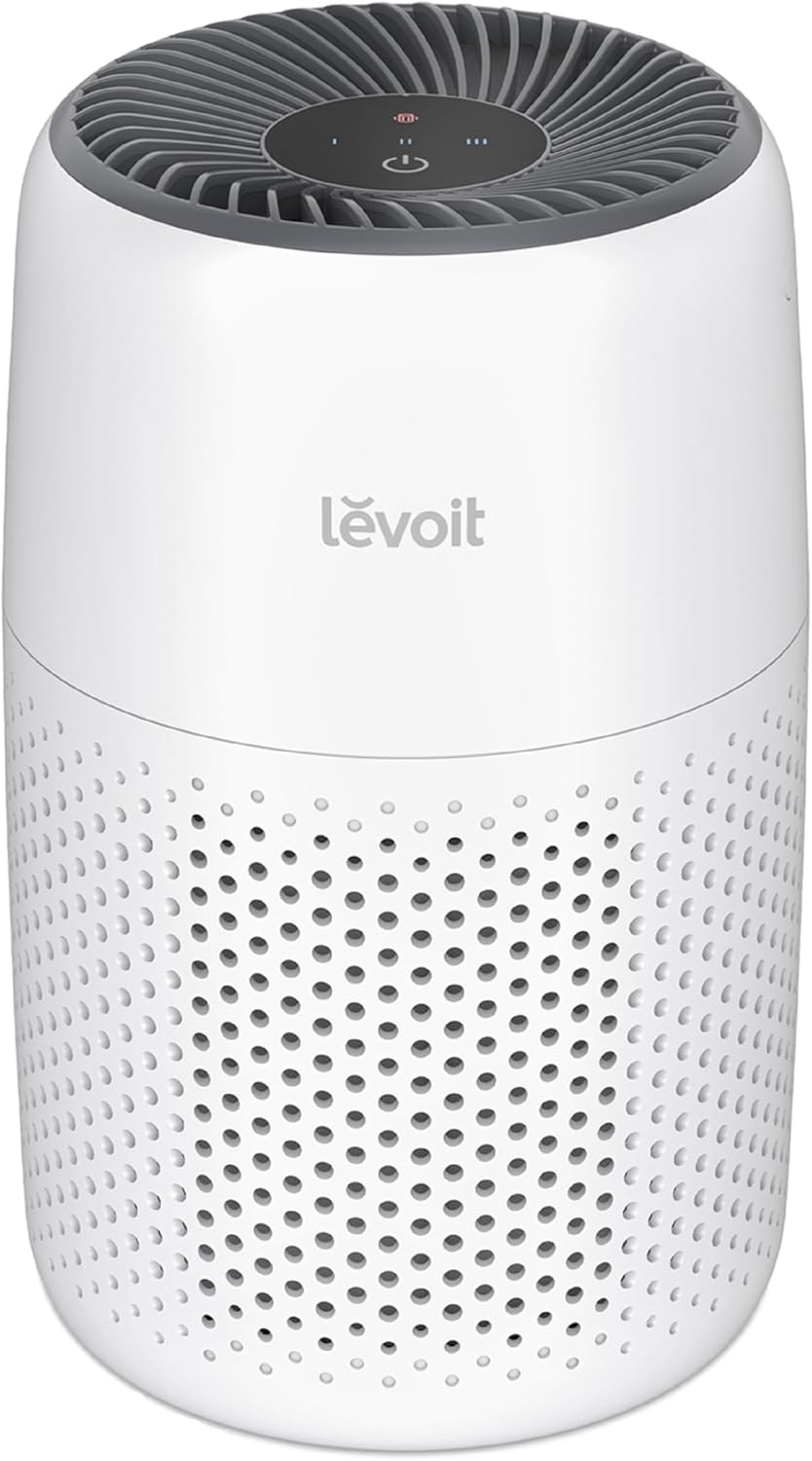
Different Types of Air Purifiers
Common Buying Mistakes to Avoid
❌ Mistake: Ignoring Room Size
Why it’s bad: Undersized units can’t cycle air fast enough, leaving pollutants hanging around. I wasted money on a bedroom model for my den—air stayed dusty.
What to do instead: Measure your space and match CADR. Add 20% buffer for high-pollution areas.
❌ Mistake: Falling for “HEPA-Type” Claims
Why it’s bad: These filters miss tiny particles, offering false security against allergens.
What to do instead: Insist on certified True HEPA with AHAM seals.
❌ Mistake: Overlooking Filter Costs
Why it’s bad: Annual replacements can double your spend. Some hit $200/year.
What to do instead: Calculate total ownership cost over 3 years.
❌ Mistake: Skipping Noise Checks
Why it’s bad: Loud fans disrupt sleep or work-from-home focus.
What to do instead: Prioritize models under 35 dB on low; watch YouTube demos.
❌ Mistake: Buying Without Warranty Review
Why it’s bad: Motors fail after a year without coverage, leaving you out $200+.
What to do instead: Choose 3+ year warranties from trusted brands.
❌ Mistake: Chasing Gadgets Over Basics
Why it’s bad: App glitches or useless sensors distract from core cleaning.
What to do instead: Start simple; upgrade if needed.
❌ Mistake: Neglecting Maintenance Plans
Why it’s bad: Dirty filters recirculate junk, worsening air.
What to do instead: Log cleanings monthly.
Budget Guidelines: How Much Should You Spend?
Budget sets expectations. Here’s a clear breakdown based on real market prices.
Entry-Level ($50 – $150): Basic HEPA for small rooms (under 200 sq ft). Expect decent dust removal, but higher noise and frequent filters. Great starter for dorms or offices. Example: Simple ionic units handle light needs without breaking the bank. Downsides? Limited CADR, no smart features.
Mid-Range ($150 – $350): Sweet spot for most homes. True HEPA, auto modes, quiet operation for 300-500 sq ft. Balanced filter life (8-12 months) and energy use. My go-to for families—covers allergies and pets well. Brands like Levoit shine here.
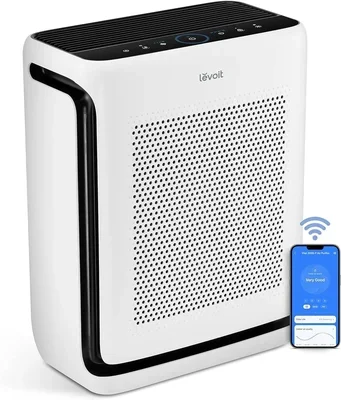
Premium ($350 – $600): Large-room powerhouses with sensors, apps, and multi-filters. CADR over 300, whisper-quiet. Ideal for open homes or wildfire smoke. Extra perks like UV add germ kill. Worth it for health-focused folks.
Luxury ($600+): Designer towers with fans, like Dyson. Stylish, smart-integrated, but overkill for basics. Top filtration plus air circulation. For big spaces or enthusiasts who want bladeless fans too.
Expert Tips for Getting the Best Deal
- Shop Seasonal Sales: Black Friday, Prime Day, or back-to-school yield 20-40% off. I nabbed a Coway for half price in November.
- Online vs In-Store: Amazon for deals and reviews; Best Buy for demos and bundles. Compare prices via CamelCamelCamel.
- Spot Fake Discounts: Check original prices—avoid “50% off” inflated MSRP. Use Honey extension for coupons.
- Warranty Hacks: Register immediately; some extend to 5 years. Keep receipts.
- Return Policies: 30-day trials from Amazon or Walmart let you test-run at home.
- Test in Person: Feel noise and build at stores like Target.
- Bundle Savings: Buy filters yearly packs upfront.
- Energy Rebates: Energy Star models qualify for utility discounts.

Frequently Asked Questions
Q: Do air purifiers really work?
A: Yes, proven by studies from EPA and Harvard. They cut particles by 50-90% in hours. Best for enclosed spaces—pair with ventilation for top results. I’ve seen allergy symptoms drop in weeks.
Q: HEPA vs True HEPA—what’s the difference?
A: HEPA is a standard; True HEPA meets it exactly (99.97% efficiency). “HEPA-type” is weaker. Always pick certified.
Q: How often should I replace filters?
A: Every 6-12 months, based on use. Lights or apps notify. Wash pre-filters monthly to extend life.
Q: Can air purifiers remove viruses?
A: HEPA traps many; UV or PCO kills them. Not 100%, but reduces spread. CDC recommends for COVID-prone homes.
Q: Are ionizers safe?
A: Some produce ozone—avoid high-ozone models (CARB certified is safe). Stick to HEPA for no side effects.
Q: What’s better for pets?
A: HEPA + carbon for dander and odors. High CADR for shedding seasons.
Q: Do they help with asthma?
A: Yes, by slashing triggers. Consult doc, but users report fewer attacks.
Q: How long to clean a room?
A: 30-60 minutes for one air change; run 24/7 for best effect.
Q: Smart purifiers worth it?
A: If you forget settings, yes. Otherwise, save cash on basics.
Q: Plants vs purifiers?
A: Plants help mildly; purifiers are 10x stronger for particles.
Our Final Recommendations
Best for Budget-Conscious Buyers: Levoit Core 300 ($100). Compact HEPA for 200 sq ft, super quiet (24 dB), affordable filters. Perfect entry—cleared my office dust fast.
Best Overall Value: Coway Airmega AP-1512HH ($230). 360 CADR for 360 sq ft, 4-stage filter, air quality sensor. Reliable, low running costs—my daily driver.
Best Premium Option: Blueair Blue Pure 211i Max ($350). Massive 925 CADR for 600 sq ft, app control, HEPASilent tech. Whisper-quiet for large homes.
Best for Beginners: Honeywell HPA300 ($250). No-frills power for 465 sq ft, easy controls. Forgiving for newbies.
Best for Advanced Users: Dyson Purifier Cool TP07 ($650). HEPA + fan, real-time PM2.5 tracking, voice control. Stylish multi-tasker.
Conclusion: Making the Right Choice
We’ve covered the essentials—from CADR and filters to budgets and mistakes. The best air purifier fits your room, needs, and wallet. Prioritize health over hype: allergies? Go HEPA. Smells? Add carbon.
Take a breath—literally. Measure your space, set a budget, and shop smart. Your fresher home awaits. Grab one today and feel the difference. Got questions? Drop a comment below.